Why Portable Basketball Hoops Often Become Unstable After DIY Setup
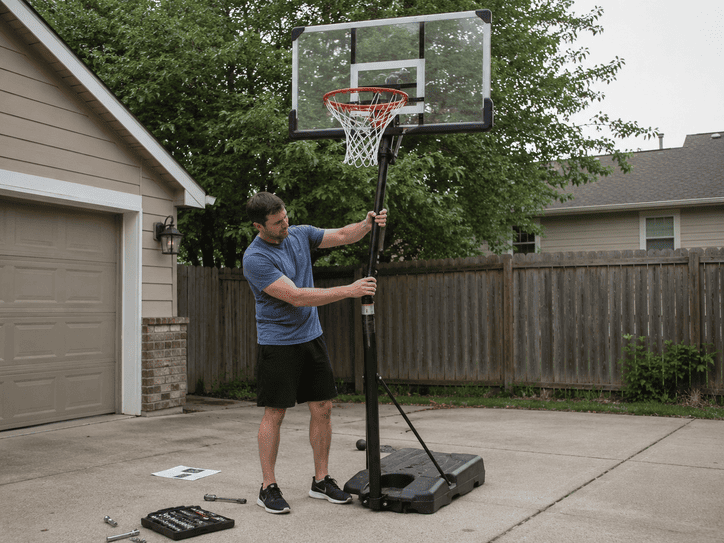
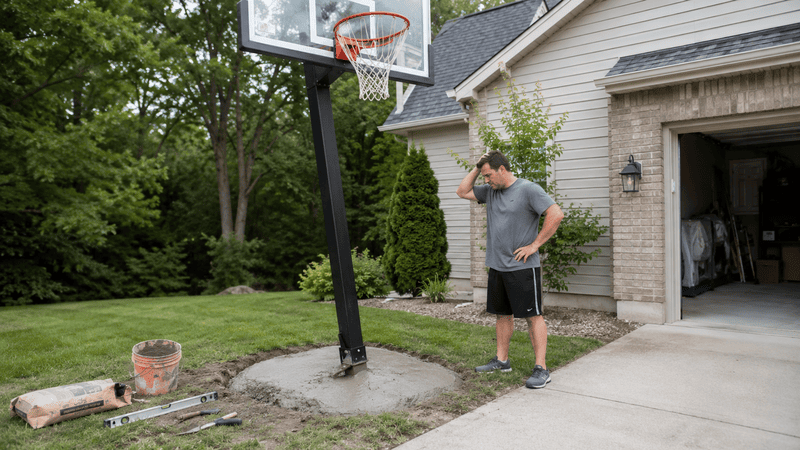
Portable basketball hoops often become unstable after DIY setup because the base may not be filled correctly, pole sections may not be seated evenly, hardware may be under tightened, the backboard can sit misaligned, or the hoop ends up on an uneven surface. Stability depends on base weight, surface level, pole alignment, bolt tension, rim support, weather exposure, movement habits, and whether children, teens, adults, schools, or shared recreation spaces use the hoop daily.
- Proper base filling directly affects overall stability and tipping resistance.
- Pole alignment during assembly determines how straight the hoop stands.
- Loose hardware creates wobble that worsens with repeated play.
- Uneven driveways and surfaces cause long-term balance problems.
- Professional setup helps reduce the most common DIY assembly mistakes.
A Portable Hoop Should Not Feel Shaky After Setup
Portable basketball hoops look simple at first glance, but the assembly quickly gets tricky. Homeowners often struggle with heavy bases, multi-piece poles, backboard brackets, rim hardware, and height adjustment parts. Add uneven driveways, wind exposure, and rushed instructions, and the finished hoop can wobble, lean, or feel unreliable during play.
Crooked rims, loose bolts, and tipping concerns are common after a rushed weekend build. Fortunately, a professional portable basketball hoop assembly service takes the guesswork out of the process. Trained technicians handle base filling, alignment, and hardware tension so families, schools, and recreation spaces get a steadier, safer outdoor setup from day one.
The Base Does Most of the Stability Work
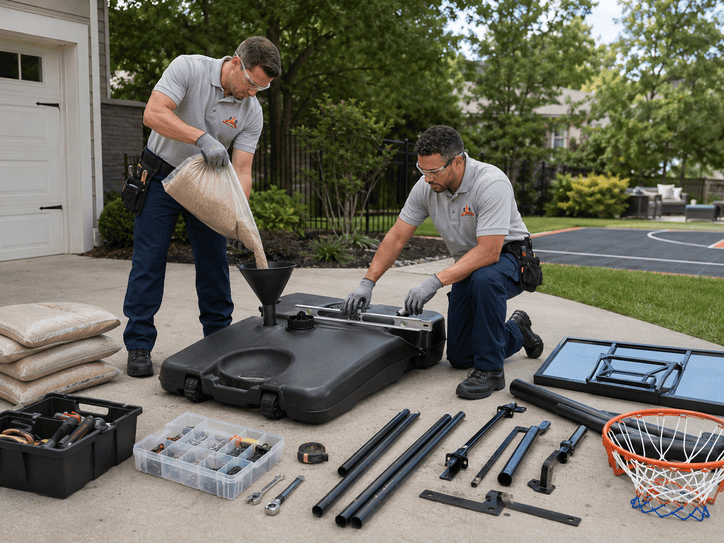
The base carries the entire load of a portable basketball hoop, so how it's filled matters enormously. A partially filled base leaves the hoop top-heavy, wobble-prone, and vulnerable to wind. Sand adds more consistent weight than water, while water can shift, evaporate, or freeze depending on the season.
Consider these base filling essentials:
- Fill the base fully to the manufacturer's marked line.
- Sand typically provides greater density than water for driveway use.
- Add a sand and water mix in mild climates for easier future draining.
- Avoid partial fills, which allow shifting and rocking during play.
- Check the base cap seal to prevent slow leaks over time.
For homeowners comparing models, standard basketball hoop dimensions and height can help match the right base weight to the hoop size. Heavier bases suit cul-de-sacs and community courts where wind and active play stress the setup daily.
Base Fill Comparison at a Glance
| Fill Type | Weight Stability | Best For | Common Drawback |
|---|---|---|---|
| Sand | High | Permanent driveway placement | Difficult to drain later |
| Water | Moderate | Temporary or seasonal setup | Can freeze or evaporate |
| Sand and Water Mix | High | Mild climates, occasional moves | Requires careful proportioning |
| Partially Filled | High | Not recommended | Tipping and wobble risk |
Pole Sections Can Create Wobble When They Sit Unevenly
Multi-piece poles must connect flush at every joint. When sections sit unevenly, the hoop leans, the rim tilts, and the backboard shakes on every shot. Many DIY assemblies skip the alignment check, so small gaps compound into visible wobble within weeks.
To keep pole sections seated correctly:
- Slide each section fully into place before tightening bolts.
- Confirm alignment with a level on two sides of the pole.
- Tighten hardware gradually in a cross-pattern, not all at once.
- Re-check pole joints after the first week of play.
Many families exploring portable hoop models for driveways don't realize that pole alignment quality varies by brand. Regardless of model, careful seating during assembly makes a noticeable difference in long-term steadiness.
Backboards and Brackets Need Balanced Support
A misaligned backboard throws off the entire hoop. Even a small tilt at the bracket transfers stress to the pole, causing shake with every dunk attempt or rebound. Rim brackets also need even bolt tension so the rim sits square to the backboard.
Backboards on adjustable systems face extra strain because the height mechanism adds moving parts. A trusted basketball hoop assembly for homes approach checks every bracket, spring, and lift arm before the first shot. This prevents crooked rims that ruin the play experience.
Driveway Slope Can Make the Whole Hoop Feel Off
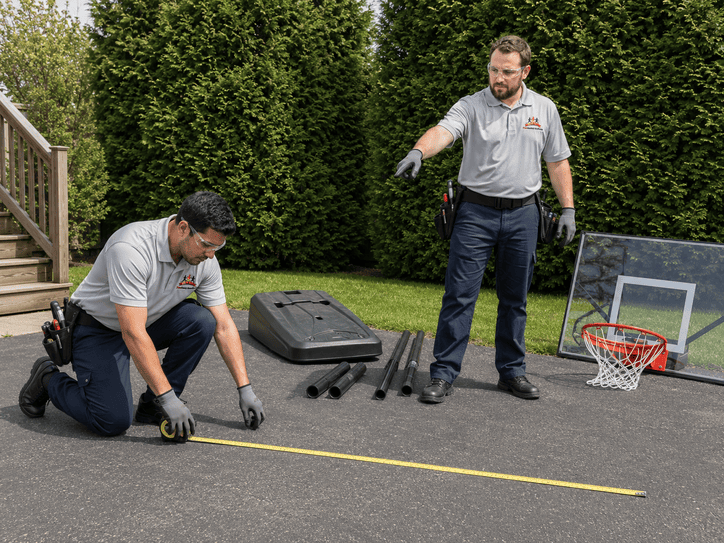
Most driveways slope slightly for drainage, which quietly undermines stability. Even a two-degree slope makes a portable hoop lean, drift, or shift during play. Placing the hoop on uneven concrete, cracked pavement, or transition points between surfaces makes it worse.
Portable basketball hoop stability planning means checking base fill, ground surface, pole alignment, backboard support, rim hardware, wind exposure, movement path, and daily use before the hoop is assembled and placed. When exploring court placement, home basketball court permit considerations also matter for permanent installations.
Helpful placement adjustments include:
- Use a leveling pad or shim under the downhill side of the base.
- Avoid placing the hoop on driveway seams or expansion cracks.
- Choose the flattest available spot in the driveway or cul-de-sac.
- Keep the hoop away from strong wind corridors between houses.
For heavier daily use, heavy-duty portable hoop designs tend to handle slope stress better than lighter recreational models.
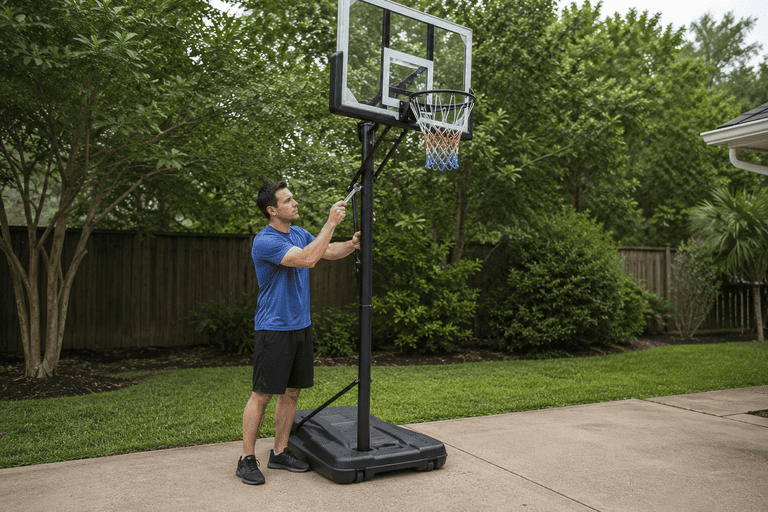
Loose Hardware Gets Worse After Regular Play
Every dunk, rebound, and rim grab sends vibration through the hoop. Over time, bolts loosen, brackets shift, and joints develop play. Homeowners often ignore small wobbles until the hoop leans noticeably or the backboard rattles.
A Quick Hardware Check Routine
Inspect all bolts monthly during heavy-use seasons. Tighten any hardware showing signs of movement, and replace stripped or rusted fasteners immediately. A monthly 10 minute check prevents most instability problems from escalating into unsafe conditions.
Neighbors handling basketball court hoop setup help often report that regular hardware checks add years to hoop life. This small habit matters especially for schools and shared community spaces where use is constant.
Moving the Hoop Too Often Can Weaken the Setup
Portable hoops are designed to roll, but frequent moves stress joints, wear wheels, and shift base fill. Dragging a full base across cracks or curbs can loosen internal bracing, and repeated tilting for repositioning creates hidden wear points.
Better movement habits include:
- Move the hoop only when needed, not daily.
- Roll it slowly on flat, clean surfaces.
- Two people should tilt and steer for larger bases.
- Recheck all bolts after any significant relocation.
Families who also handle playset relocation cost planning guide recognize how much repeated movement affects outdoor equipment integrity.
Outdoor Recreation Areas Need Safer Placement Choices
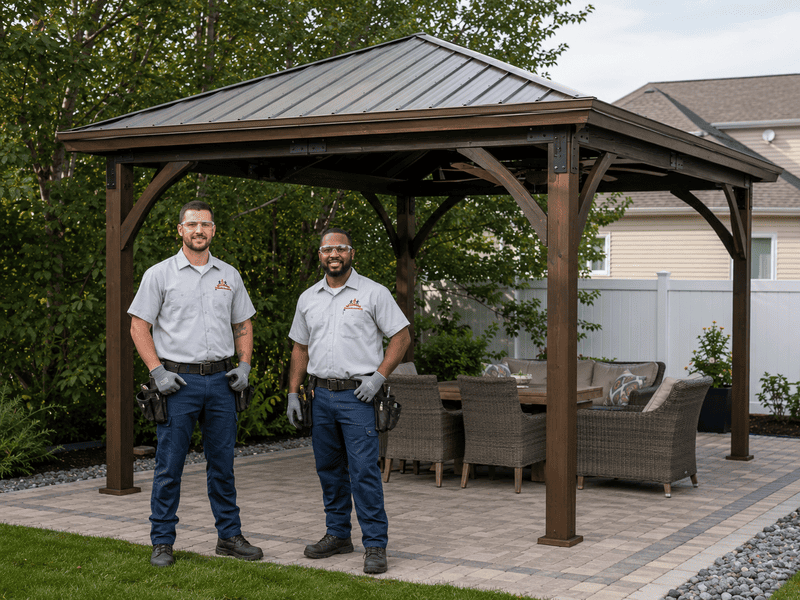
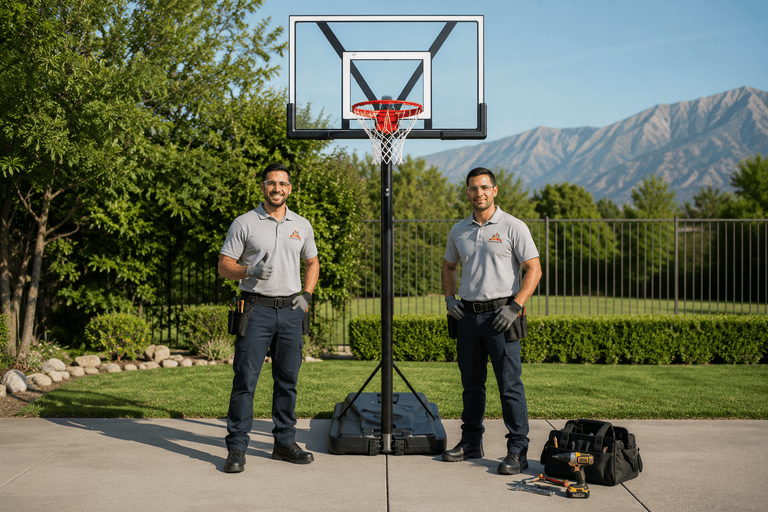
Backyards, playgrounds, and shared community courts each present unique placement challenges. Wind exposure, foot traffic, nearby trampolines, and children's play zones all influence where a portable hoop belongs. Professional installers evaluate the full outdoor setup, not just the hoop itself.
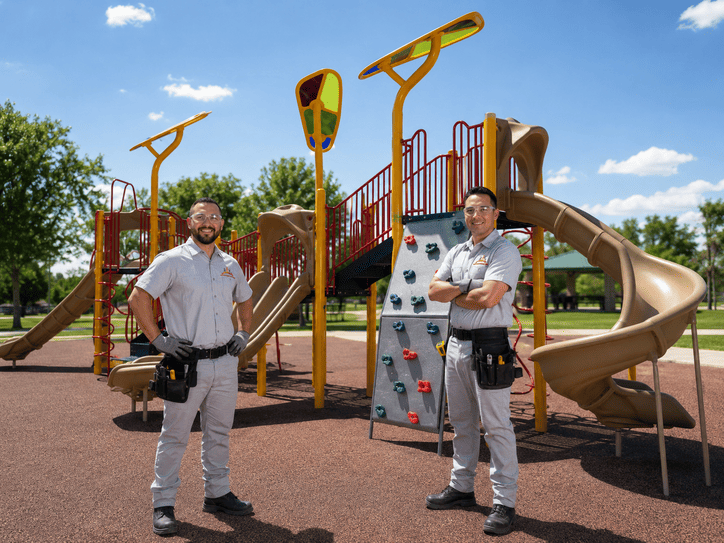
Recreation spaces often benefit from coordinated planning across equipment. Whether it's above ground trampoline installation service or a playground structure installation for recreation areas, consistent placement logic keeps the whole space safer. For permanent solutions, in-ground basketball hoop installation support remains the sturdiest option for heavy play.
Professional Assembly Helps the Hoop Stay Game Ready
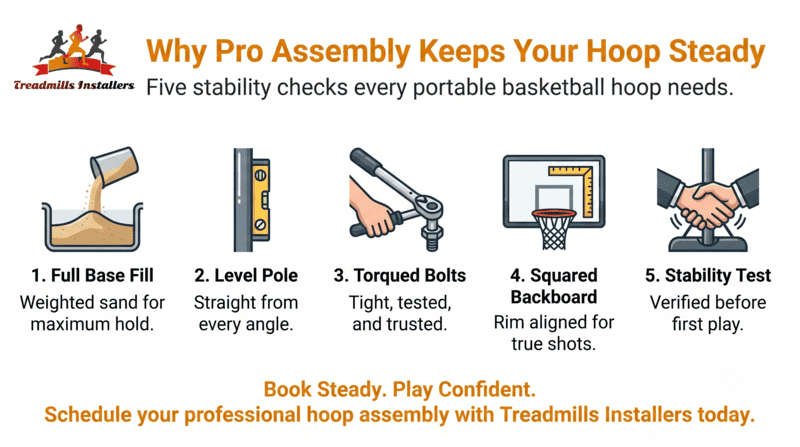
Professional portable basketball hoop assembly may reduce common setup issues, support safer placement, and help avoid avoidable assembly mistakes. Trained technicians follow manufacturer instructions, verify torque, check alignment, and confirm base fill before signing off on the setup.
Professional assembly typically covers:
- Full base filling with the recommended material.
- Level checks on the pole and backboard.
- Correct bolt tension using proper tools.
- Rim alignment and backboard squaring.
- Final stability testing before handover.
The same expert team also handles outdoor recreation equipment installation help, game table assembly for activity spaces, home setup after furniture assembly, game table disassembly before moving, and office furniture installation for workspaces, giving households one reliable service partner.
Schedule Portable Basketball Hoop Assembly Today
A steady portable basketball hoop starts with proper base filling, precise pole alignment, tight backboard support, careful surface placement, and thorough hardware checks. Getting these details right transforms driveway play from wobbly and worrying to smooth and game ready.
Treadmills Installers also supports families with in-ground hoop installation, playground structure setup, game table assembly, and broader outdoor recreation equipment installation for a complete backyard experience.
Ready for a Steadier Hoop This Weekend?
Contact Treadmills Installers to schedule portable hoop assembly today and get expert help with portable basketball hoop assembly, in-ground basketball hoop installation, playground structures, game table assembly, and outdoor recreation equipment installation.
Frequently Asked Questions
Why does my portable basketball hoop wobble after setup?
Usually the base isn't fully filled, hardware is loose, or the pole sections aren't fully seated. Small alignment gaps create noticeable wobble during play.
Is sand or water better for a portable hoop base?
Sand provides denser, more consistent weight and better stability. Water is easier to add but can shift, evaporate, or freeze depending on the season.
Can a sloped driveway make a hoop unstable?
Yes, even a slight driveway slope causes leaning and drift over time. A leveling pad or shim under the downhill side helps balance the base.
Should the pole sections move after assembly?
No, pole sections should sit tight with no visible gaps or twist. Any movement means the joints need reseating and the bolts need retightening.
What happens if hoop hardware is not tightened correctly?
Loose hardware causes wobble, rim tilt, and backboard rattle that worsens with each game. It can also lead to premature wear on brackets and joints.
Can moving a portable hoop too often loosen it?
Yes, repeated moves stress joints, shift base fill, and loosen bolts over time. Limit movement and recheck hardware after each relocation.
Is an in-ground hoop better for heavy play?
In-ground hoops offer far more stability for competitive play and heavy dunking. Portable hoops work well for casual family use in most driveways.
When should I schedule professional portable hoop assembly?
Schedule professional assembly whenever the hoop feels shaky, leans visibly, or was rushed during initial setup. Early expert help prevents bigger stability problems later.
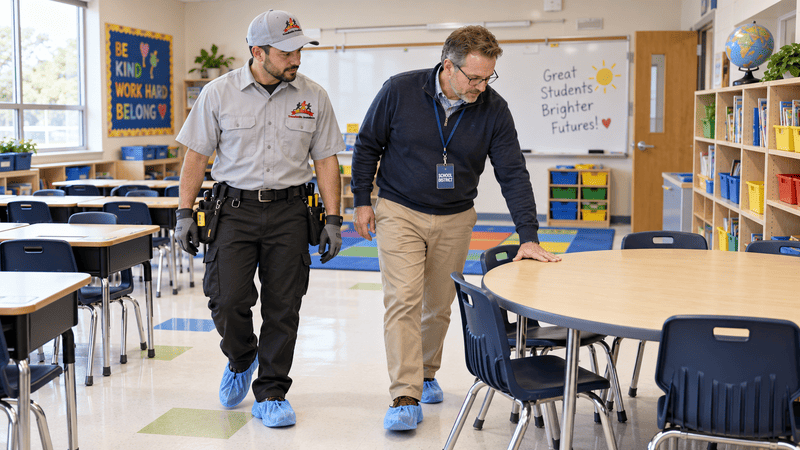
Why Schools Trust Professional Classroom Furniture Installation Services to Put Student Safety First