Smith Machine Installation and Relocation Services
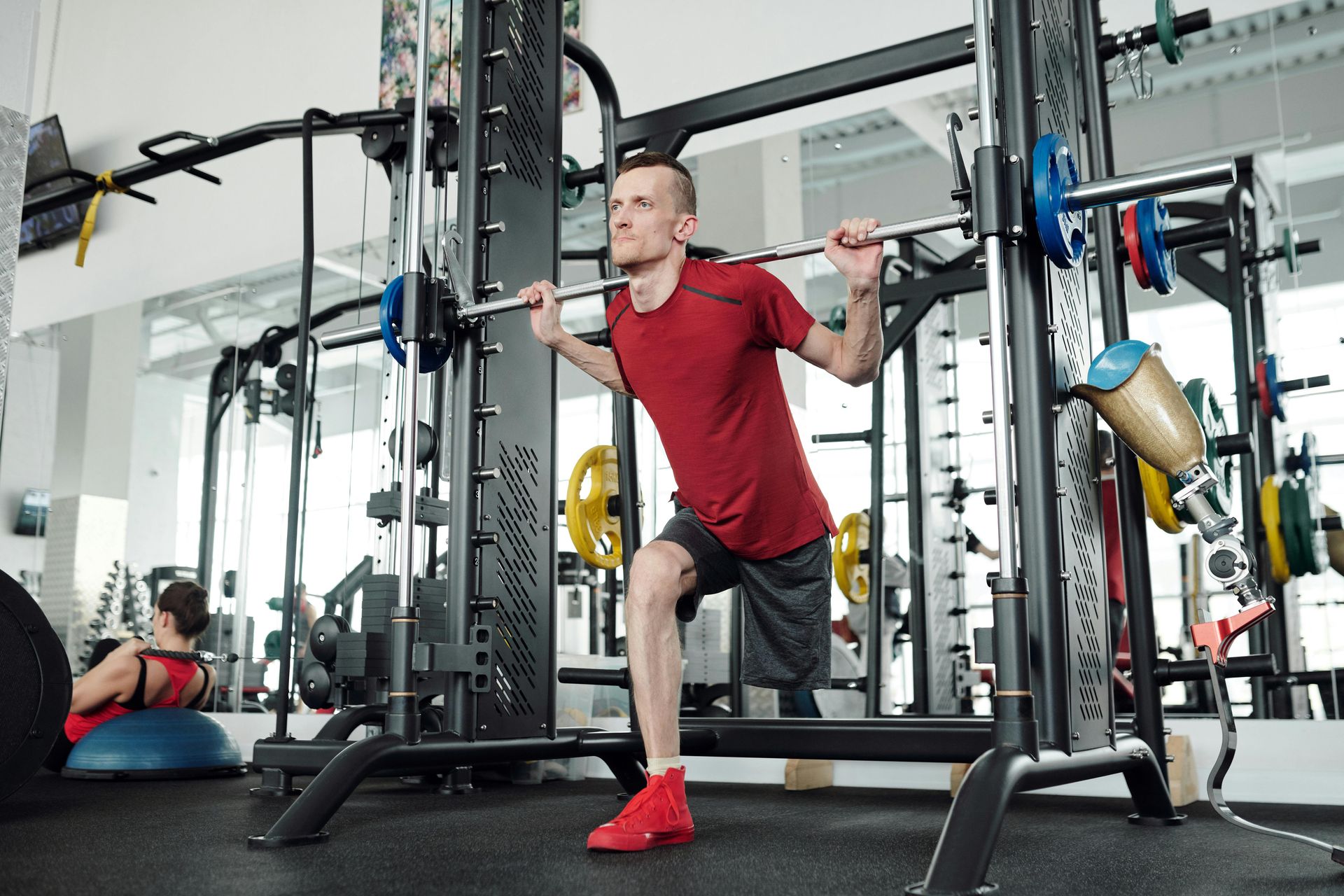
Smith machine installation and relocation services include professional assembly, safe disassembly, transport preparation, positioning, leveling, and final setup for home and commercial gyms. These services make sure the machine is built correctly, protected during a move, and reinstalled with the alignment and stability needed for safe daily use.
- Heavy equipment safety during assembly and moving
- Structural stability through proper leveling and support
- Proper alignment and calibration for smooth bar travel
- Damage prevention during relocation and reinstallation
- Commercial-grade installation precision for high-use spaces
A
Smith machine can look sturdy even when it is assembled incorrectly, slightly out of level, or stressed by an unsuitable floor. That can lead to unstable lifting, poor bar tracking, early wear, and serious injury risks, especially after a move or room reconfiguration.
Professional installation and relocation support helps prevent those issues by handling dismantling, transport readiness, reassembly, anchoring review, and final calibration with the care heavy strength equipment demands.
Why Professional Smith Machine Installation and Relocation Matters
Professional Smith machine installation and relocation matters because these machines are heavy, load-bearing systems that rely on accurate alignment, secure hardware, and stable floor contact. A rushed setup can affect bar path, locking action, and overall safety long before the problem becomes obvious to the user.
In a home gym, that may mean a machine that rocks slightly on rubber flooring or binds under load. In a commercial gym, it can mean repeated stress on the frame, unsafe user experience, and expensive downtime. Proper gym equipment installation is not just about getting the machine upright. It is about making sure the structure is square, the moving components track correctly, and the setup supports real training conditions.
For buyers comparing models or planning a first-time setup, the selection on
RitFit home gym equipment shows how multifunction Smith systems can vary in size, attachments, and footprint, which is exactly why professional planning matters before installation starts.
What Is Included in Smith Machine Installation Services
Smith machine installation services include much more than assembly. The work typically covers layout planning, hardware organization, frame construction, guide setup, leveling, relocation support, safety checks, and final testing so the machine is ready for reliable use in the space where it will actually operate.
Treadmills Installers can help with a wide range of units, including Inspire Fitness FT2 Functional Trainer and Smith Station models, Body Solid Smith Machine Package systems, Yukon Fitness Caribou System Smith Machines, Marcy Diamond Elite Smith Cage with Linear Bearings, Body Solid Series 7 packages, Valor Athletics Smith Machines, Yukon Counter Balanced Linear Smith Machines, and the Powerline PSM144X. That variety matters because home gym Smith machine setup is rarely one size fits all.
A typical service includes:
- Delivery coordination and placement planning
- Full assembly of base, uprights, crossmembers, and bar system
- Guide rod and carriage installation
- Smith machine anchoring and leveling review
- Hardware tightening and structural stability checks
- Floor protection and reinforcement considerations
- Disassembly for relocation when the machine is being moved
- Reinstallation and recalibration after moving
For larger facilities, Treadmills Installers also supports broader
commercial exercise equipment assembly services so Smith machines can be installed alongside benches, racks, and other heavy equipment without creating layout conflicts.
Who Needs Smith Machine Installation and Relocation Services
Smith machine installation and relocation services are ideal for anyone setting up, moving, upgrading, or reconfiguring a strength-training space. The need becomes even greater when the machine is commercial-grade, the room is tight, the flooring is sensitive, or the equipment must be moved without damaging walls, finishes, or structural surfaces.
These services are commonly needed in home gyms, garage gyms, apartment fitness rooms, personal training studios, corporate wellness centers, and full commercial gyms. They are also useful when a customer buys a new model, relocates an existing one, or needs to dismantle and reinstall a unit during remodeling.
| Space Type | Common Need | Why Professional Setup Helps |
|---|---|---|
| Home gym | First-time installation | Prevents misalignment and saves time |
| Garage gym | Sloped or uneven floor | Supports leveling and load stability |
| Apartment fitness room | Tight access and shared walls | Reduces damage and handling riskFrequent daily use |
| Personal training studio | Frequent daily use | Improves reliability and client safety |
| Corporate wellness center | Multi-user environment | Helps maintain consistency and compliance |
| Commercial gym | Heavy traffic and complex layouts | Requires precise installation and reinstallation |
Customers comparing equipment styles often browse Smith machine product options on Amazon, but even compact-looking models can be difficult to assemble correctly once they arrive in multiple boxes with heavy uprights, guide systems, and attachments.
How Smith Machine Assembly and Setup Works
Smith machine assembly and setup works as a step-by-step process that starts with the room and ends with performance testing. The machine must be built in sequence, squared correctly, leveled on the floor, and checked for smooth guided movement before it is considered ready for training.
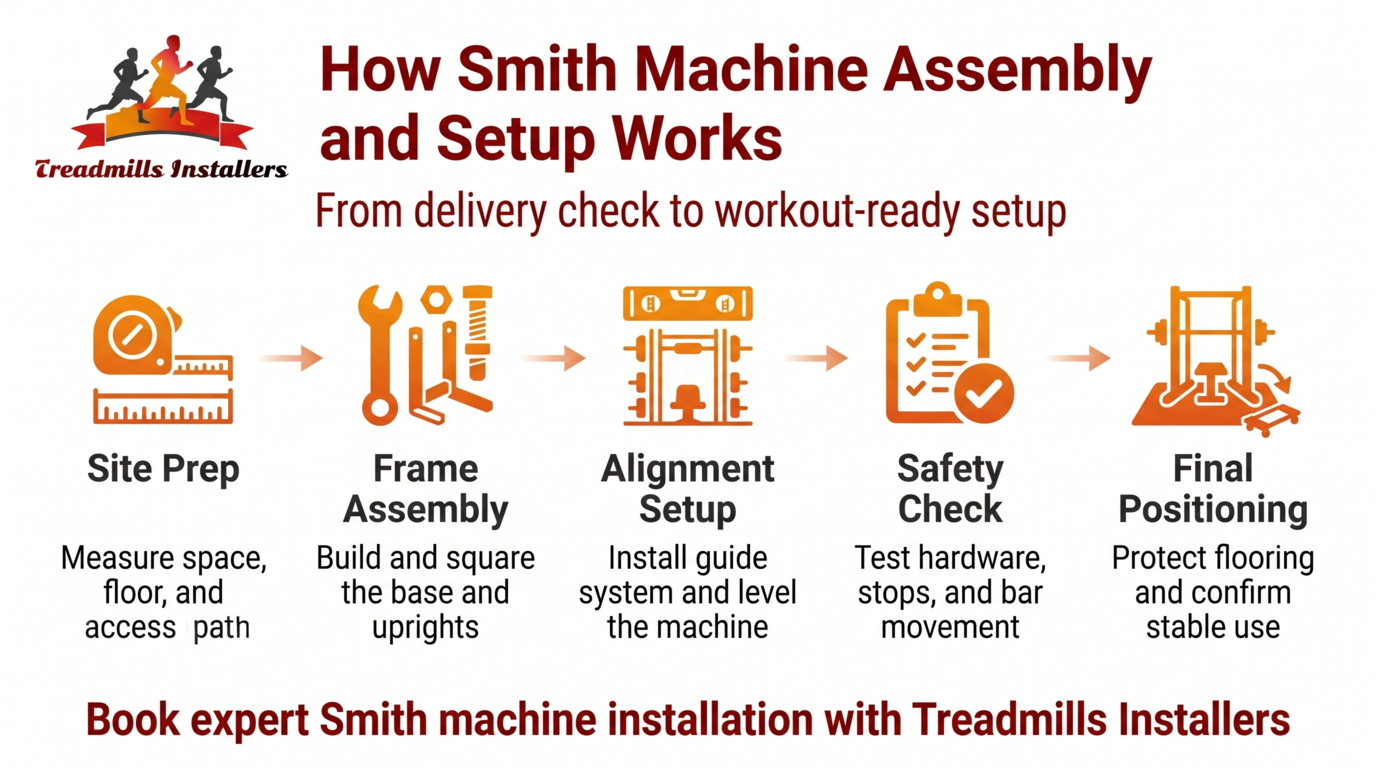
The process usually begins with measuring the space, confirming ceiling clearance, and reviewing how the machine will be brought into the room. Installers then assemble the base, uprights, and crossmembers, followed by the guide rods, carriage, bar mechanism, catches, and safety stops. Once the main frame is complete, the machine is leveled and checked for stable contact at all support points.
After that, the setup moves into performance and safety work. Bar path alignment accuracy is checked, moving parts are adjusted, and all hardware is inspected under practical use conditions. In real-world settings like garage gyms and commercial training rooms, this stage is often where professional experience makes the biggest difference between a machine that merely looks assembled and one that actually performs correctly.
Common Problems With Improper Smith Machine Installation
Improper Smith machine installation creates safety and performance issues that often show up only after the first several workouts. A machine may appear complete, but poor leveling, weak floor support, or bad alignment can make the unit unstable, noisy, hard to use, or dangerous under load.
Common problems include:
- Uneven bar travel caused by poor guide alignment
- Wobble from weak floor contact or loose hardware
- Incorrect safety stop engagement
- Accelerated wear on bearings, sleeves, and moving parts
- Damage to flooring from concentrated pressure points
- Frame stress caused by an out-of-square build
- Injury risk during racking, unracking, or failed lifts
These issues are especially serious in apartment fitness rooms and personal training studios where space is limited and daily use is repetitive. Following proven fitness equipment installation safety tips helps show why heavy fitness equipment setup should never be treated like a basic furniture assembly job.
How Relocation Impacts Smith Machine Safety and Stability
Relocation impacts Smith machine safety and stability because every move changes how the machine is taken apart, transported, reassembled, and seated on the new floor. Even when the machine was working well before, disassembly and transport can shift hardware, affect guide alignment, and change how the frame settles.
A move from a basement home gym to a garage gym may introduce slope, cracks, or different flooring compression. A relocation from one commercial suite to another may create tighter clearances, new structural load concerns, or a different training layout. That is why Smith machine relocation should always include disassembly for relocation, protected handling, hardware organization, and recalibration after moving.
This kind of work often overlaps with the handling standards used by
professional movers for heavy items, especially when equipment must pass through stairs, narrow hallways, or finished interiors during transport.
Why Precision Alignment Is Critical for Smith Machines
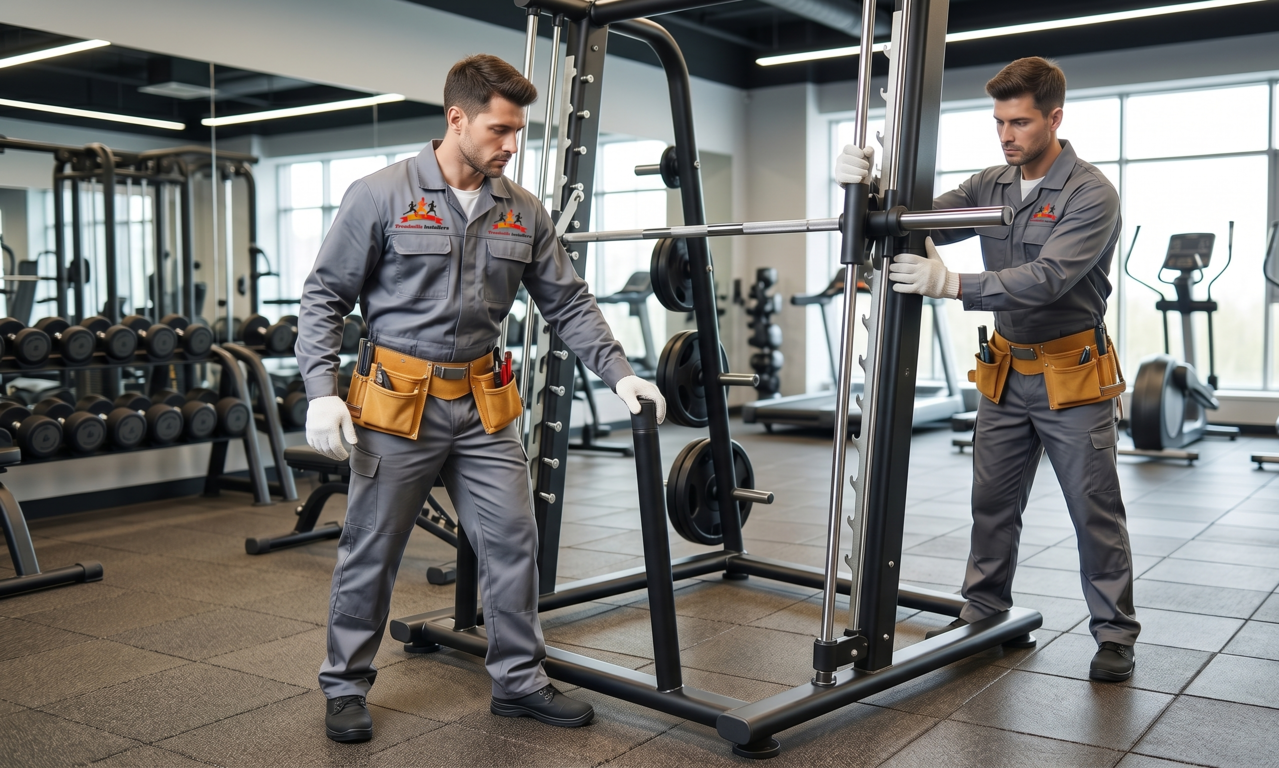
Precision alignment is critical for Smith machines because the entire exercise path depends on guided movement. If the uprights are not square or the guide system is slightly off, the bar will not travel smoothly, and that affects safety, comfort, and the long-term condition of the machine.
Unlike free-weight systems that allow natural bar movement, a Smith machine forces the bar to follow a fixed path. That makes correct setup even more important in home gyms and commercial facilities. Smooth operation depends on level support, correct spacing, and consistent hardware tension across the full structure.
From a performance standpoint, good alignment helps the bar rack cleanly and move evenly. From a risk standpoint, it reduces strain on internal components and helps support safer use standards that align with broader fitness equipment compliance guidance in the United States for structural and safety-focused equipment practices.
Mistakes to Avoid When Installing or Moving Smith Machines
The most common Smith machine mistakes happen when people underestimate the machine’s weight, complexity, and need for accurate reassembly. Small shortcuts can create big problems later, especially when a unit is moved, rebuilt in a new room, or placed on a floor that was never evaluated properly.
Mistakes to avoid include:
- Building the machine on an uneven floor without checking level
- Tightening all bolts before the frame is fully squared
- Dragging parts across finished flooring without protection
- Mixing hardware during disassembly
- Ignoring floor reinforcement considerations
- Skipping final bar path and safety-stop testing
- Reusing the machine after a move without recalibration
Experienced teams that handle Smith machine installation and setup understand that even a small alignment error can affect how the carriage tracks, how the catches engage, and how safe the machine feels under resistance.
How to Prepare Your Gym Before Installation or Relocation
Preparing your gym before installation or relocation helps protect the property, speeds up the project, and gives installers the access they need to work safely. The goal is to create enough room for handling long, heavy components while making it easier to assess the floor and final equipment position.
Before service, it helps to:
- Clear benches, plates, mats, and loose accessories from the work zone
- Measure doors, stairwells, and turning areas
- Confirm ceiling height and overhead obstructions
- Identify the flooring material and any weak or uneven spots
- Decide where the machine should sit in relation to mirrors, walls, and walkways
- Keep manuals and hardware boxes together if available
In relocation projects, the same preparation reduces delays and prevents preventable damage. That is one reason customers often look at the broader process used in weight machine assembly and delivery services when planning a move involving large strength equipment.
Get Expert Smith Machine Installation and Relocation Support
Smith machine installation and relocation support should leave you with equipment that is stable, aligned, protected, and ready for safe use. Treadmills Installers helps homeowners, studios, and commercial facilities handle heavy equipment with the precision needed for proper assembly, dismantling, transport readiness, and reinstallation.
When a project also involves moving oversized components through finished interiors, the careful handling standards used in professional moving and hauling services show why planning matters just as much as lifting strength. To schedule service, discuss your machine model, or request help for a home gym or commercial setup, contact Treadmills Installers and get the job arranged around safety, stability, and long-term equipment performance.
For businesses updating their overall space, complementary resources such as reception area setup ideas for professional-looking offices, shelving installation services for stockrooms, offices, garages, and utility rooms, and commercial installation support for larger facilities can help coordinate the environment around the gym area as well.
Frequently Asked Questions
How long does Smith machine installation take?
Most home installations take a few hours, but larger all-in-one systems can take longer depending on size, attachments, access, and floor conditions. Commercial installations may also require extra time for layout, leveling, and safety verification.
Do Smith machines need professional setup?
Professional setup is strongly recommended because these machines depend on stable assembly, accurate alignment, and secure hardware. A machine that looks complete can still be unsafe if it is out of square or sitting unevenly.
What are the risks of incorrect Smith machine alignment?
Poor alignment can cause rough bar travel, uneven locking, excess wear, and unsafe lifting mechanics. It can also make the machine feel unstable even when the frame appears solid.
Does relocation affect Smith machine calibration?
Yes, relocation can affect calibration because moving the machine changes hardware tension, guide positioning, and how the frame settles on the new floor. Reinstallation should always include leveling and operational checks.
What tools are required for Smith machine installation?
Installation usually requires more than household tools and often involves levels, lifting support, hardware organization, and precision tightening tools. Professional installers also bring experience in sequencing the build correctly.
What type of floor is best for safe Smith machine setup?
A level, stable surface with enough structural support is best, whether that is concrete, reinforced wood framing, or properly planned gym flooring. Some spaces may also need floor protection or reinforcement to handle the load safely.
Do commercial gyms need specialized installers for Smith machines?
Yes, commercial gyms benefit from specialized installers because the equipment sees higher usage, stricter layout demands, and greater liability exposure. Professional installation helps improve safety, performance, and equipment lifespan.