Playground Structure Installation Services for Parks Schools and Community Spaces
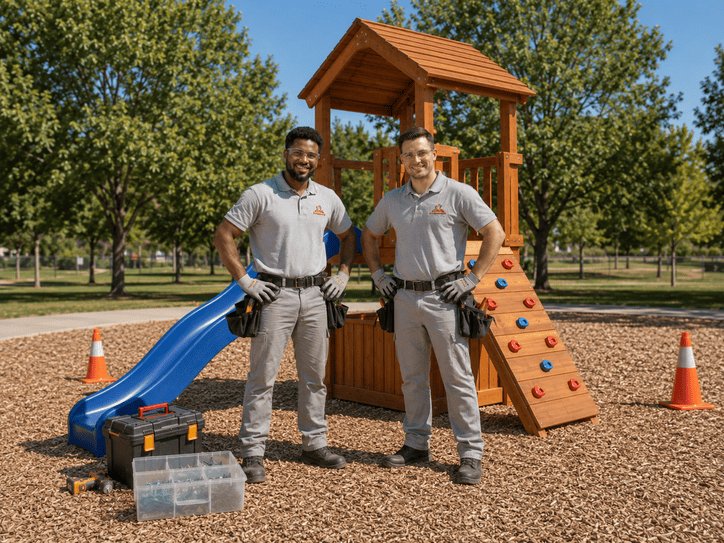
Playground structure installation services help parks, schools, and community spaces build safer, better-organized play areas by planning the layout, assembling equipment correctly, checking anchors, managing spacing, and preparing the site for daily use. The right installation plan depends on equipment type, ground surface, age group, available space, anchoring needs, surrounding activity areas, access paths, and whether the project includes playsets, trampolines, basketball hoops, or other outdoor recreation gear.
- Site planning should happen before any playground equipment arrives on the ground.
- Safe assembly and firm anchoring keep structures steady during heavy daily use.
- Spacing around swings, slides, and courts helps reduce crowding and collisions.
- Schools, parks, and communities each need equipment matched to their traffic level.
- Professional installation is recommended for large, anchored, or public-use setups.
Build Play Spaces That Are Ready for Real Use
Playground structures look exciting on paper, yet the real work begins when crews unpack heavy parts, sort hardware, and face uneven ground. Anchors must hit solid footing, fall zones need clearance, and nearby courts or trampolines can crowd the layout fast. Without careful setup, teams end up with wobbly frames, awkward pathways, and safety concerns that delay opening day.
Professional playground structure installation solves these headaches by combining site prep, correct assembly, and proper anchoring into one coordinated process, giving parks, schools, recreation centers, and shared outdoor spaces a finished area that is genuinely ready for use.
Good Playground Installation Starts With the Site
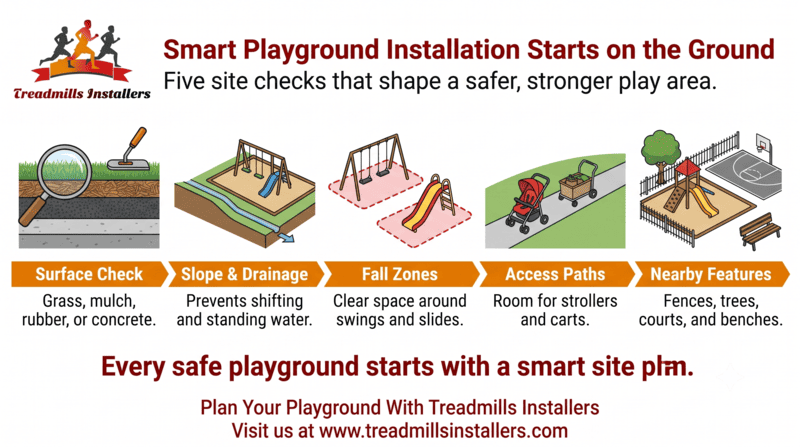
Every successful playground begins with a clear read of the site. Installers check the surface, slope, drainage, and surrounding activity zones before a single bolt is turned. That early review shapes everything from equipment placement to anchor depth.
Before assembly starts, a strong site plan usually covers:
- Ground surface type, whether grass, mulch, rubber tiles, or concrete
- Slope and drainage patterns that could shift equipment over time
- Fall zone measurements around swings, slides, and climbers
- Access paths for strollers, wheelchairs, and maintenance carts
- Nearby fences, trees, benches, and paved activity spaces
Many teams also review the public playground equipment standard overview to confirm spacing and safety expectations before finalizing the layout. Reliable playground structure installation service support begins with this kind of thorough groundwork.
Schools Need Play Areas That Handle Daily Traffic
School playgrounds see heavy, repeated use from recess, PE classes, and after-school programs, so installation must prioritize durability. Structures need firm anchoring, wide walking lanes, and age-appropriate zones for younger and older students. Daycare play areas call for softer surfacing and lower climbers.
Key priorities for school playground setup
- Separate zones for early learners and older grade levels
- Wide traffic lanes between climbers, slides, and swings
- Reinforced anchors under high-use equipment like monorails
- Shade planning for hot afternoon recess periods
- Clear sightlines for teachers monitoring the yard
When schools expand outdoor programs, they often add gear from trusted outdoor playset equipment product options alongside existing structures. Coordinating those additions with a professional crew keeps the yard organized as it grows.
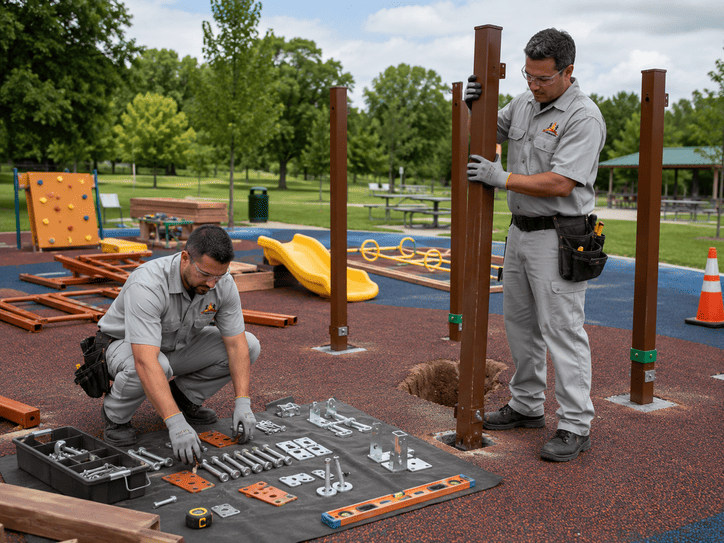
Parks and Community Spaces Need Room to Move
Public parks, HOA outdoor areas, and apartment community play zones serve many families at once, so spacing matters even more than in private yards. Open grass areas, seating, and paved activity spaces should flow naturally around the main play structure without creating pinch points or blind corners.
Balancing Structures With Open Areas
Community planners often want swings, climbers, and shade features close together, yet crowded layouts create safety issues. Trained installers help space each element so kids can move freely between zones. Church recreation spaces and community centers benefit from the same approach, especially when hosting weekend events.
Considering Nearby Recreation Features
Basketball courts, splash pads, and picnic zones influence where a playground can safely sit. When multiple features share one space, coordinated installation prevents conflicts. Groups planning larger builds sometimes pair playground work with basketball court building service support to align both projects on the same timeline.
Anchoring and Hardware Checks Keep Structures Steady
Anchoring is the single most important factor in playground stability. Concrete footings, ground anchors, and torque-checked hardware keep swings, climbers, and towers steady under years of pulling, climbing, and jumping. Skipping these checks leads to wobble, wear, and premature repairs.
| Equipment Type | Typical Anchoring Method | Common Check Points |
|---|---|---|
| Swing sets | Concrete footings | Post depth, bolt torque |
| Climbing towers | Ground anchors, footings | Frame square, hardware seating |
| Slides | Bolted to deck and ground | Rail bolts, exit clearance |
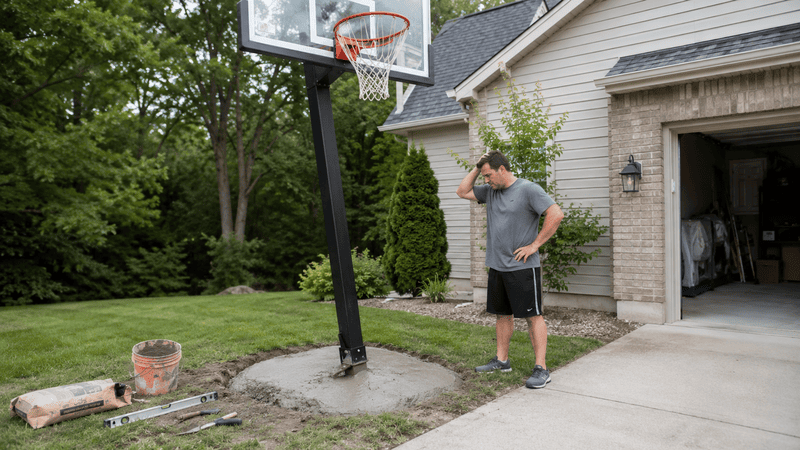
| In-ground hoops | Concrete pier | Pole plumb, cure time |
| Trampolines | Ground stakes or anchors | Frame level, strap tension |
Playground structure installation planning means reviewing the site surface, equipment type, available space, age group, hardware, anchoring needs, access paths, surrounding activity areas, and final safety checks before playground equipment is assembled.
Trampolines and Hoops Can Shape the Whole Layout
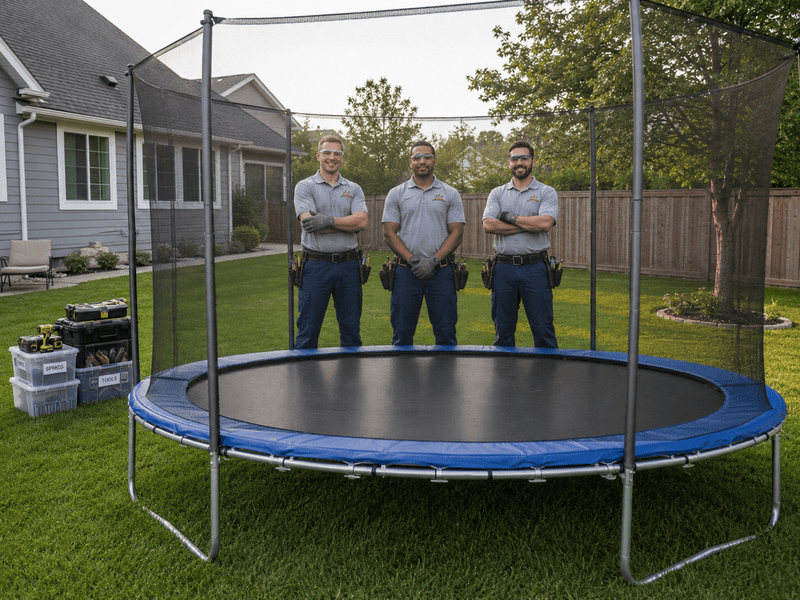
Recreation gear often sits near playground structures, and each piece changes how the space flows. Trampolines need clearance overhead and around the frame, while basketball hoops need paved shooting space and safe backboard clearance. Skipping this planning step can force expensive rework later.
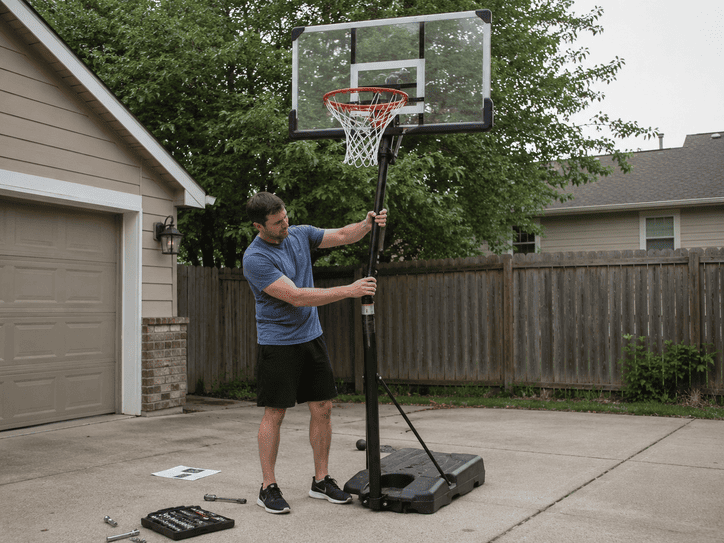
- Portable hoops need level pavement and stable base fill
- In-ground hoops need cured concrete before first use
- Trampolines need soft landing zones and anchored frames
- Backyard playsets need buffer space from fences and driveways
Homeowners often pair a swing set with
trampoline models for outdoor recreation and a hoop, which is why many families schedule
trampoline assembly for outdoor spaces,
portable basketball hoop assembly service, and
in-ground basketball hoop installation help together. Reviewing a
backyard playset installation cost guide also helps families budget the full project.
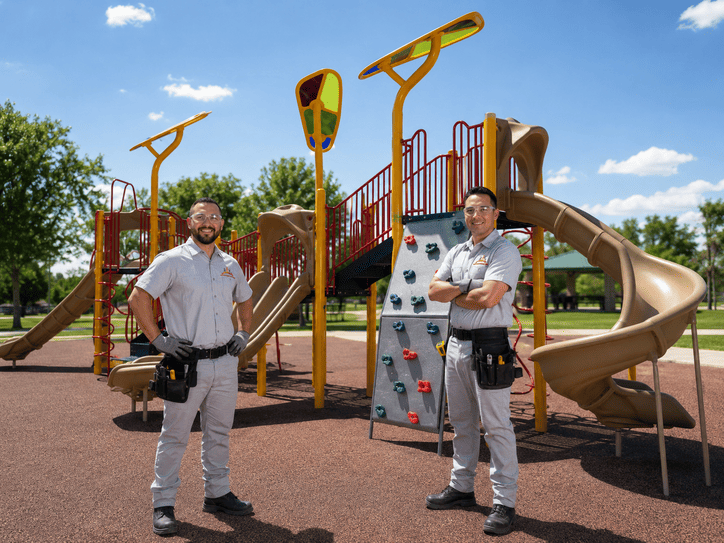
Outdoor Recreation Projects Need the Right Installation Team
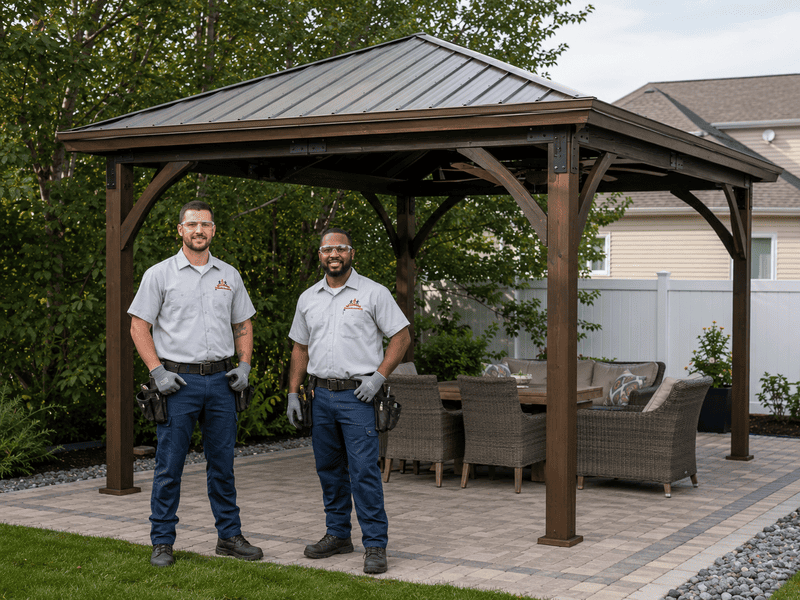
Larger recreation projects rely on installers who understand hardware, safety codes, and coordination between trades. A trained crew brings torque tools, levels, augers, and lift equipment that most volunteer teams do not have on hand. That difference shows up in the final quality.
Recreation projects usually benefit from experienced installers when the job includes anchored structures, multiple pieces of equipment, or shared community use. Property managers often turn to outdoor recreation equipment installation help when several units arrive at once, since coordinated scheduling keeps deliveries, prep work, and assembly moving in the right order.
Playground Delays Often Start With Poor Planning
Delays rarely come from the equipment itself. They usually trace back to missed measurements, unclear site plans, missing hardware, or surfaces that were not prepared in time.
Common planning mistakes include:
- Ordering equipment before confirming the actual footprint
- Skipping soil checks that reveal shallow bedrock or roots
- Forgetting fall zone clearance around swings and slides
- Ignoring access routes for delivery trucks and augers
- Overlooking permits for public or commercial installations
Relocation projects have their own quirks, and a proper playground swing set relocation service helps avoid damaged parts. Older recreation rooms may also need a game table disassembly for moves before the new outdoor build begins.
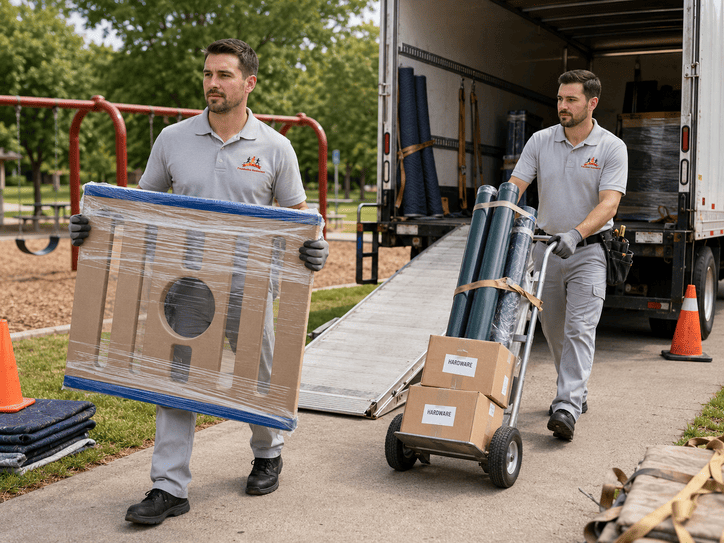
Professional Setup Helps Recreation Areas Open With Confidence
Professional installers bring the tools, training, and safety awareness that turn a pile of parts into a finished play area ready for opening day. They confirm anchor depth, verify torque values, and walk the site with the client before signing off. That final review gives parks, schools, and HOAs confidence that the space is safe.
Backyard families benefit too. An above ground trampoline installation service keeps home setups just as steady as public builds, especially when the yard shares space with a playset or hoop.
Schedule Playground Structure Installation With Treadmills Installers
Safer play areas start with careful site planning, stable assembly, correct anchoring, and a layout that fits trampolines, hoops, and playground structures without crowding.
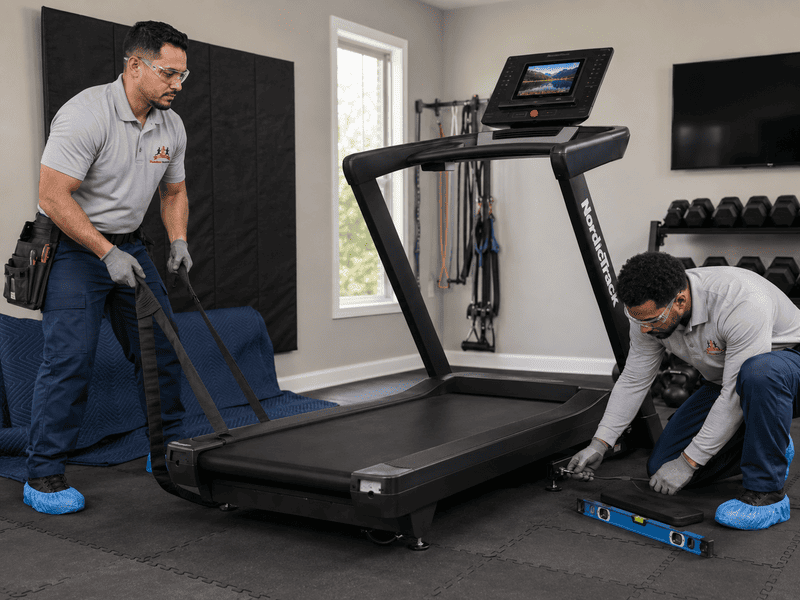
Treadmills Installers handles each step so parks, schools, and community spaces open on schedule. Beyond outdoor work, the same crews also handle home furniture assembly and office furniture assembly when clients need indoor support alongside their recreation projects.
Ready to move forward? Schedule outdoor installation service today or request playground installation service details for playground structures, portable and in-ground basketball hoops, trampolines, and full outdoor recreation setups.
Frequently Asked Questions About Playground Structure Installation
Who needs professional playground structure installation?
Parks, schools, daycare centers, HOAs, churches, and community recreation groups typically need professional installers for safe, anchored, code-aware setups.
What should be checked before playground equipment is installed?
Installers check surface type, slope, drainage, fall zones, access paths, and nearby activity areas before any equipment leaves the packaging.
Can playground structures be installed at schools?
Yes, school playgrounds are a common project and usually require reinforced anchoring, age-separated zones, and wide traffic lanes for daily student use.
Do parks need special planning for playground setup?
Public parks need extra spacing, durable anchors, and layouts that flow around benches, paths, and other recreation features shared by many families.
Can basketball hoops and trampolines be installed with playground equipment?
Yes, hoops, trampolines, and playground structures can be installed together when the layout provides clearance, level ground, and safe buffer zones.
Why does anchoring matter for playground structures?
Anchoring keeps swings, climbers, and towers steady under constant pulling and climbing, which prevents wobble, hardware wear, and long-term safety issues.
How long should playground installation planning take?
Most projects need a few days to a couple of weeks for planning, depending on site size, equipment count, permits, and surface preparation needs.
When should I schedule playground structure installation help?
Schedule installation as soon as equipment is ordered so site prep, delivery, and assembly can be coordinated without last-minute delays.