Moving a Trampoline to a New Home: How to Avoid Damaging Frames, Springs, or Enclosures
Moving a trampoline to a new home should start with careful disassembly, labeled parts, protected spring and mat removal, secure transport, level reassembly, and enclosure checks. The safest plan depends on trampoline size, frame type, spring tension, enclosure style, yard access, transport distance, ground surface, weather padding, locking pins, and whether the unit is above ground, older, or heavily used.
- Trampolines should not be dragged fully assembled
- Frame joints can twist during careless moving
- Springs need controlled removal with proper tools
- Safety nets and pads should be labeled and packed
- Professional reassembly helps the trampoline feel ready sooner
A Trampoline Move Can Go Wrong Before It Leaves the Yard
A trampoline may look easy to move, but relocation gets complicated fast once the frame, springs, mat, enclosure, and hardware all come apart. A rushed DIY move can bend tubing, misplace locking pins, stretch the jump mat, and leave the new setup uneven. That is why many families turn to residential services for outdoor equipment when moving day is already packed.
Professional trampoline relocation helps protect the equipment, reduce avoidable damage, and keep the rebuild more controlled from the first bolt to the final enclosure check.
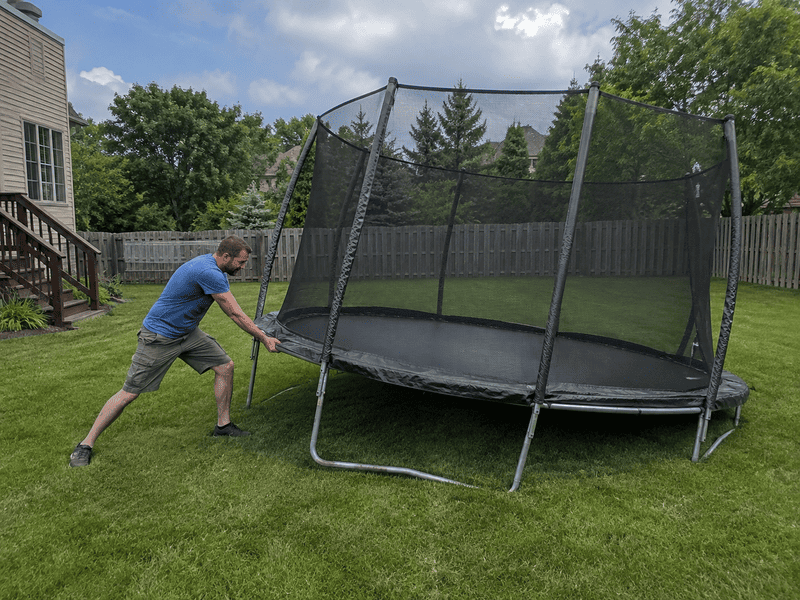
Dragging the Frame Can Ruin the Shape Fast
Moving a trampoline fully assembled is one of the fastest ways to stress the frame. Dragging across grass, pavers, or a driveway can twist steel tubing, shift welded areas, and warp locking joints, especially on large round trampolines, rectangular trampolines, and older above ground models.
- Dragging can rack the frame out of square
- Steel joints can loosen under side pressure
- Legs can bend when they catch uneven ground
- Locking points may stop lining up cleanly
- Enclosure pole brackets can get pulled off angle
That risk grows when families own one of the backyard trampoline styles for families with larger footprints or tall enclosure systems. If the unit is above ground, early above-ground trampoline installation planning can help determine how much breakdown is needed before transport.
Springs and Mats Need Controlled Removal
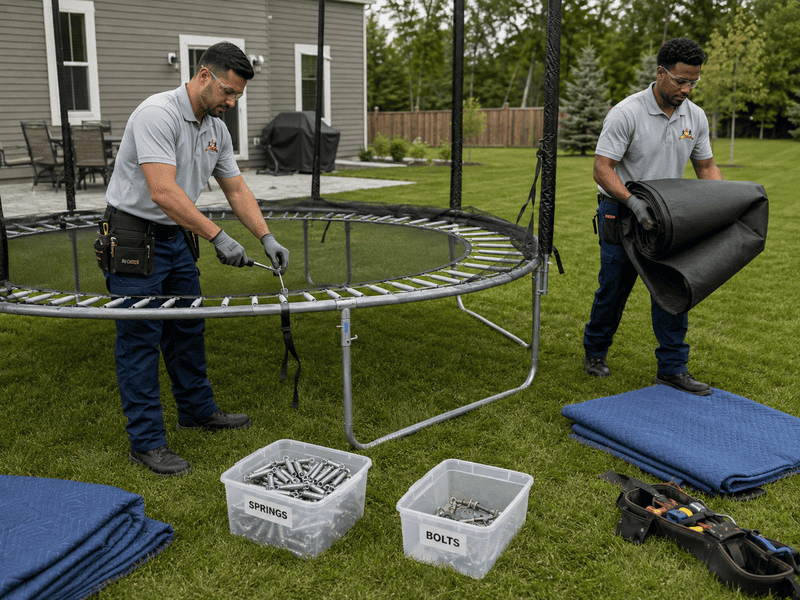
High tension springs should be removed in a controlled pattern with the right pull tools, not by guesswork and brute force. When removal is rushed, springs can snap back, over stretch, or come off unevenly, and that can make the mat harder to reinstall with balanced tension.
- Use a proper spring pull tool
- Remove springs in a balanced sequence
- Inspect hooks, eyelets, and spring ends
- Fold and protect the jump mat separately
- Keep spring counts organized by container
A professional crew handling professional moving services for heavy gear can help reduce the chaos that comes from loose metal parts, mixed hardware, and a mat that no longer seats evenly after transport.
Safety Nets and Padding Should Be Packed With Care
The enclosure system is often the part homeowners damage first during DIY trampoline relocation. Safety nets, foam pole covers, weather padding, sleeves, clips, and zipper openings can rip, crease, or bend if they are stripped off quickly and tossed into a truck without sorting.
- Label enclosure poles before removal
- Bag clips, straps, pins, and fasteners
- Wrap foam covers to limit tearing
- Fold netting without crushing zippers
- Separate weather padding from metal parts
When reassembly starts, organized packing makes trampoline assembly after backyard relocation much smoother because each sleeve, pole, and net section is easier to match back into place.
The New Yard Must Be Checked Before Reassembly
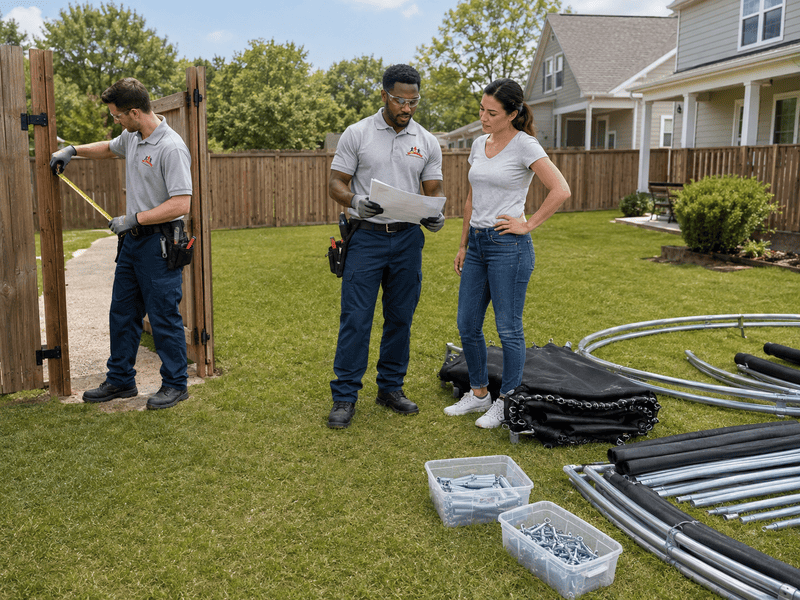
A trampoline should not be rebuilt until the new yard is checked for space, slope, clearance, and access. Reassembly on the wrong spot can lead to uneven legs, drainage issues, tight enclosure clearance, and a frustrating need to shift the frame after it is already partially built.
Trampoline relocation planning means checking the trampoline size, frame joints, spring tension, mat condition, enclosure parts, yard access, transport plan, ground level, hardware, and reassembly steps before the trampoline is moved to a new home.
| Yard Check | Why It Matters |
|---|---|
| Gate and side-yard width | Confirms frame sections can reach the setup area |
| Ground slope | Helps identify leveling problems early |
| Fence and tree clearance | Reduces enclosure crowding after setup |
| Soil firmness | Supports more stable leg placement |
| Drainage path | Helps avoid low, wet ground |
| Final footprint size | Prevents a second relocation inside the yard |
Homeowners comparing premium trampolines for backyard planning often think first about model size, but the better question during a move is whether the new yard actually supports a clean rebuild.
Frame Leveling Matters After Every Relocation
A trampoline can be fully reassembled and still feel wrong if the frame is not level. After relocation, each leg, locking pin, and steel joint should be checked so the structure sits evenly, the mat tension feels balanced, and the enclosure attaches without pulling sideways.
- Confirm every leg has firm contact
- Recheck locking pins at all joints
- Verify even spring placement around the mat
- Look for frame gaps or shifted sections
- Test enclosure pole alignment before use
That final pass can help reduce the chance of a sloppy rebuild becoming a bigger headache later. Many families pay more attention to trampoline installation safety tips for homeowners once they realize how much leveling affects the finished setup.
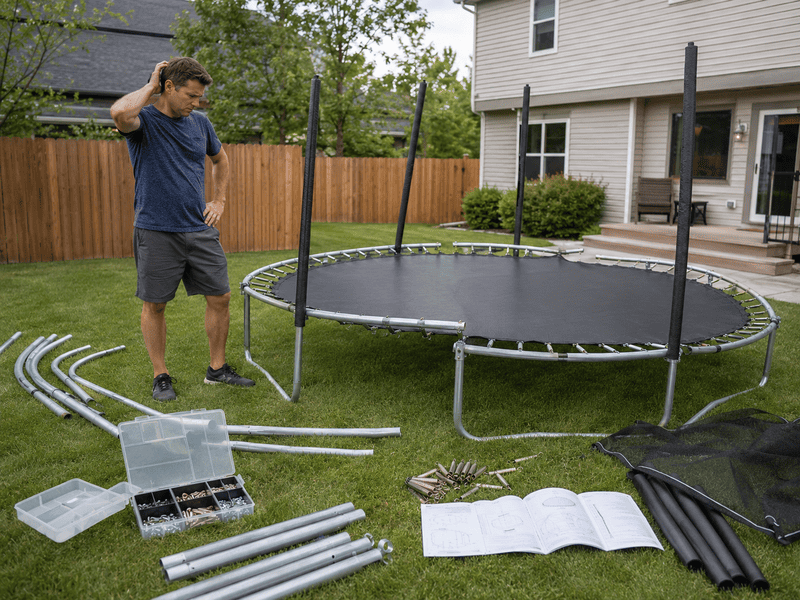
Parents Should Not Trust a Rushed Rebuild
A rushed rebuild can make a trampoline look finished before it is actually ready for regular use. Small mistakes such as swapped poles, loose brackets, uneven spring placement, or missing pins can change how the unit feels and how the enclosure sits around the frame.
One missing part can change the setup
A single misplaced locking pin or bracket can affect frame stability and enclosure fit. That becomes more likely when families are also juggling boxes, tool bags, and game table disassembly before moving during the same relocation.
Older trampolines deserve a closer inspection
Older trampolines often come with worn spring hooks, faded weather padding, stretched sleeves, or hardware that no longer threads as smoothly. A professional reassembly check may make the restart process more controlled, especially when the unit has already seen several seasons of backyard use.
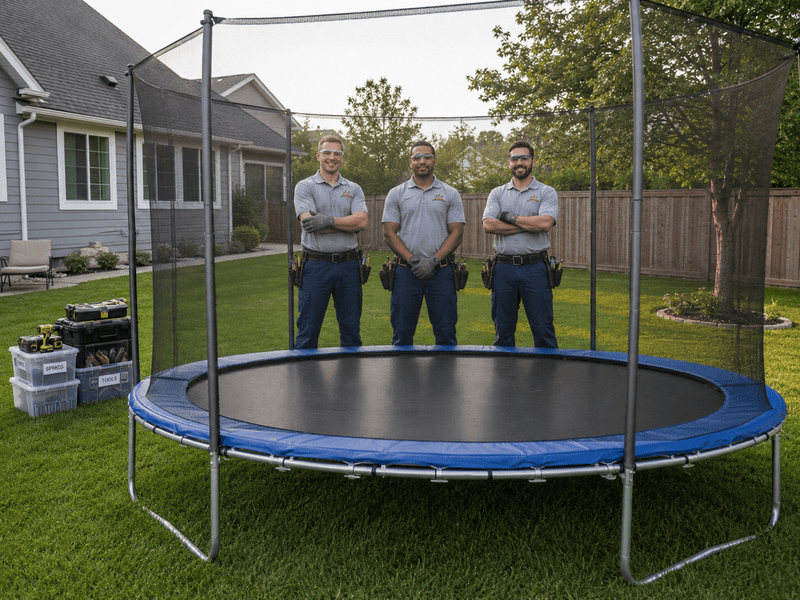
Outdoor Recreation Moves Need the Right Crew
Backyard recreation equipment moving is not the same as shifting lawn chairs or a grill. Trampolines, sports equipment, and playground items often need disassembly, organized packing, protected loading, and exact placement, which is why experienced outdoor recreation equipment installation support becomes valuable when several items are moving together.
- Separate recreation hardware by item
- Protect painted finishes during transport
- Plan truck loading by rebuild order
- Check yard access before unloading
- Keep trampoline parts grouped together
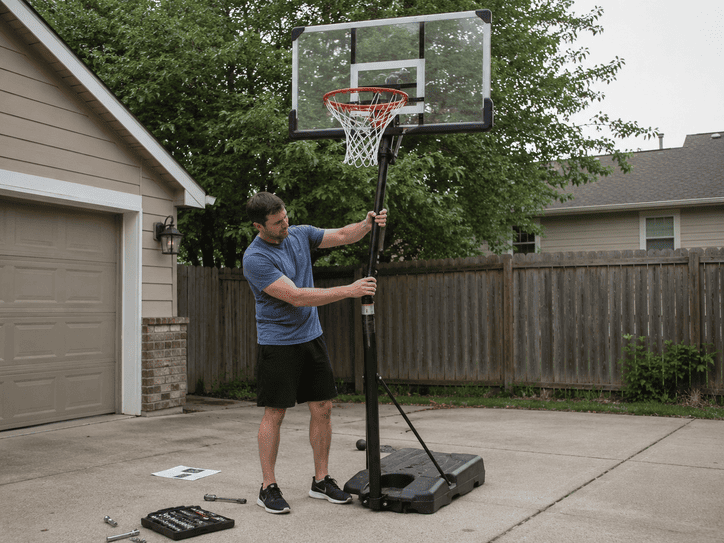
Families handling multiple projects at once may also need trampoline sports equipment installation support or even gymnasium basketball hoop installation for recreation spaces, especially when the new property includes a larger sports and play area.
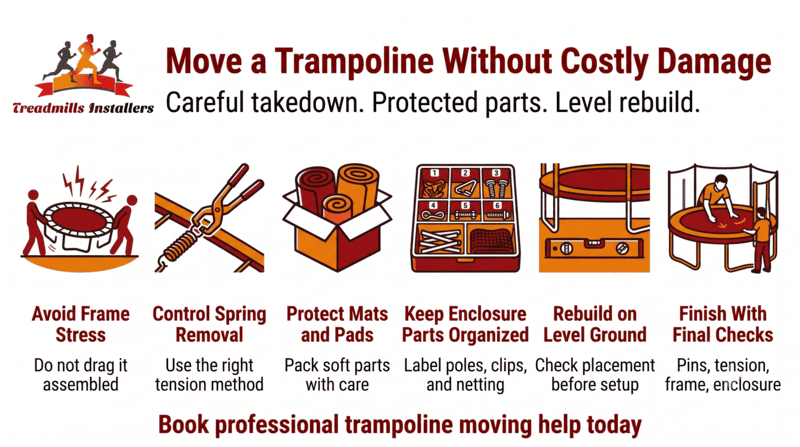
Professional Trampoline Relocation Protects the Whole Setup
Professional trampoline movers can help reduce avoidable wear by breaking the project into the right order: disassembly, labeled packing, protected transport, level reassembly, and final setup checks. That matters most when the trampoline is large, older, difficult to access, or part of a packed family moving schedule.
Treadmills Installers is a practical choice for homeowners who want trampoline assembly, residential support, professional moving help, and outdoor recreation setup handled by one reliable crew. For households comparing broader backyard move costs, a playset relocation cost planning guide can add context, but trampoline condition, yard access, and project scope still shape the real work involved.
Book Trampoline Moving and Reassembly Help Today
Protecting the frame, springs, mat, enclosure, and padding is easier when the move follows a controlled process from takedown to final leveling. Professional help can save busy families from losing a weekend to heavy lifting, missing hardware, and frustrating rebuild delays.
If your move also includes indoor setup needs, coordinating home furniture assembly and office furniture assembly can help keep the full relocation more organized while your outdoor project stays on track.
Protect the trampoline before small problems grow
Contact Treadmills Installers to schedule a trampoline relocation help today and request a fast, hassle-free quote for disassembly, transport, reassembly, residential services, and outdoor recreation equipment installation support.
Frequently Asked Questions
Can you move a trampoline without taking it apart?
Most backyard trampolines should be disassembled before moving. That approach helps protect frame joints, springs, and enclosure parts during transport.
Why is dragging a trampoline across the yard risky?
Dragging can twist steel tubing, stress welded areas, and pull legs out of alignment. The damage may not be obvious until reassembly starts.
Can trampoline springs be damaged during removal?
Yes. High tension springs can over stretch, deform, or snap back if they are removed too quickly or without the proper tool.
How should safety nets be packed before moving?
Nets should be folded carefully and packed away from metal parts. Zippers, sleeves, clips, and foam covers should be labeled and separated.
Does the new yard need to be level?
A level surface supports a more controlled rebuild and better frame contact. Sloped or soft ground should be checked before reassembly begins.
What should be checked after trampoline reassembly?
The frame level, locking pins, spring placement, mat tension, enclosure attachment, and hardware tightness should all be checked before normal use.
Can older trampolines be relocated?
Often, yes, but older units may need closer inspection. Worn springs, aging pads, and tired enclosure parts can complicate the move.
When should parents hire trampoline movers?
Professional trampoline relocation is worth considering when the unit is large, older, hard to access, or part of a busy residential move with limited time for a careful rebuild.