How Professional Flagpole Installation Protects Your Yard from Underground Utility Damage

Professional flagpole installation helps protect yards and commercial grounds by planning the dig location, checking utility markings, preparing the footing, setting the ground sleeve, leveling the pole, and installing halyard hardware correctly. The best setup depends on pole height, soil type, wind exposure, buried utilities, property lines, sleeve depth, concrete needs, access paths, local rules, and whether the site is residential, commercial, school, church, HOA, or municipal.
- Utility marking should happen before digging
- Flagpoles need deeper support than many expect
- Soil and wind exposure affect footing planning
- Vertical leveling helps the pole look clean
- Professional setup reduces avoidable site mistakes
Flagpole Installation Starts Below the Surface
A flagpole can look simple after installation, but the real work starts underground. Buried lines, weak soil, shallow footings, poor leveling, and rushed hardware setup can create expensive problems. Professional flagpole installation gives homeowners and property managers a cleaner plan for digging, placement, support, and final setup.
A flagpole often becomes a focal point. That matters in front yards, school entries, church grounds, office parks, and municipal lawns. Yet trouble usually starts before the pole goes up. One bad hole location can disrupt landscaping, damage buried lines, or force a costly reset.
That is why many property owners choose a professional flag pole installation service instead of taking a DIY risk.
Buried Utilities Make DIY Digging Risky
DIY flagpole digging is risky because many properties hide important lines below the surface. A power auger or shovel can strike water lines, buried electrical lines, gas service, irrigation tubing, fiber-optic cables, or drainage pipes. Even a modest residential flagpole may need more depth than most owners expect.
Common underground risks include:
- Buried water lines in landscaped lawns
- Electrical feeds near lights, signs, or garages
- Gas lines near homes, churches, and retail spaces
- Fiber-optic cables near office parks and schools
- Irrigation lines around courtyards and entrances
- Drainage pipes near lawns, beds, and walkways
Why shallow digging assumptions fail
Homeowners often assume a flagpole only needs a narrow hole. In practice, footing width and depth can increase fast.
Commercial sites add more variables. Apartment communities, HOAs, and business entrances often have lighting, irrigation, and older buried systems.
Utility Marking Should Happen Before Ground Work
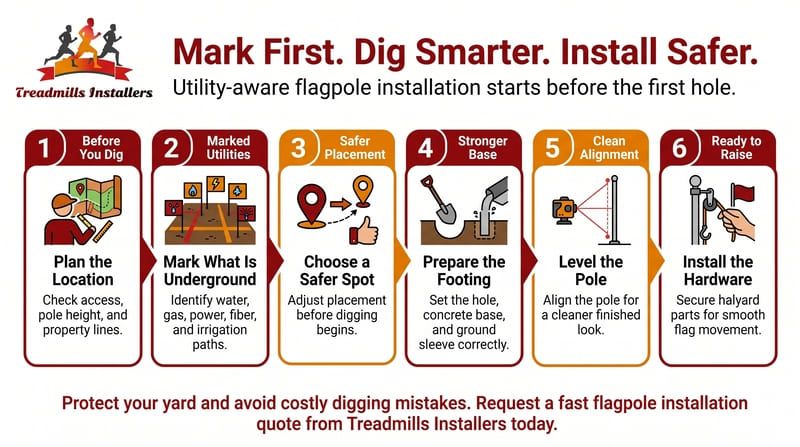
Utility marking should happen before any digging starts because surface appearances do not show what is below. Marked paths help installers choose a safer flagpole location, protect access routes, and reduce avoidable conflicts before augers, shovels, or concrete work begin.
Professional planning should include contacting the appropriate local utility locating service before ground work. Marked lines help crews shift the pole location when needed.
A practical utility marking process often includes:
- Confirming the planned flagpole area
- Requesting local utility locating before digging
- Waiting for marked utility paths on site
- Comparing marks with landscaping and access
- Adjusting placement around property features
- Confirming private lines when needed
Professional flagpole installation means checking the site, coordinating utility marking before digging, preparing a suitable hole and footing, setting the ground sleeve, leveling the pole, installing hardware, and confirming the flag can raise and lower properly.
For broader planning, property teams may also consult flagpole regulation notes for planning while confirming local permit, HOA, or facility requirements.
Concrete Footings Need More Than Guesswork
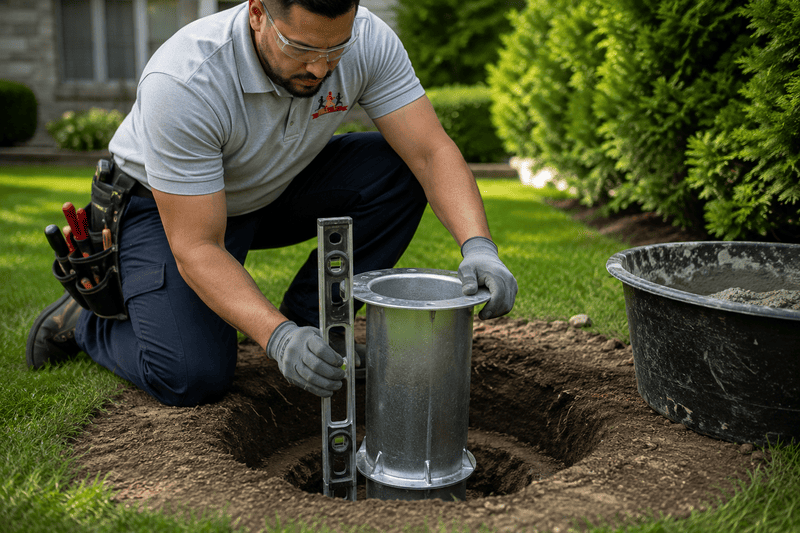
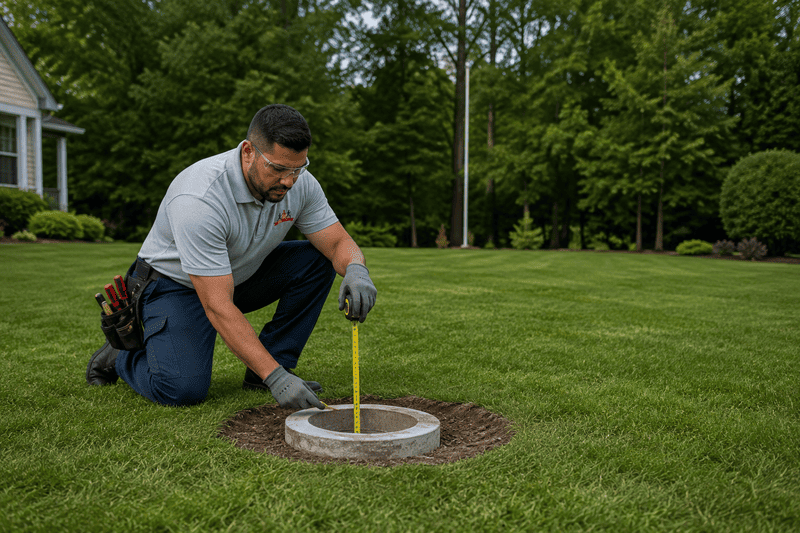
Concrete footings need more than guesswork because flagpoles carry height, movement, and wind pressure. A shallow bucket of quick-set concrete may not support the installation well. Footing depth, hole width, sleeve placement, and curing time should follow manufacturer guidance and the actual site conditions.
What affects footing planning
Crews usually consider several factors before mixing concrete:
- Flagpole height and section design
- Soil firmness and moisture levels
- Ground sleeve depth requirements
- Hole width for the planned pole
- Nearby roots, edging, or hardscape
- Access for tools and material movement
Manufacturers publish
flagpole specifications for installation planning that can help guide footing and sleeve decisions
| Installation Factor | Why It Matters |
|---|---|
| Pole height | Taller poles often need more support |
| Soil condition | Soft soil may need a different plan |
| Sleeve depth | Helps support alignment and fit |
| Hole width | Affects concrete volume and stability |
| Wind exposure | Increases movement and load concerns |
Soil Height and Wind Exposure Shape the Setup
Soil condition, flagpole height, and wind exposure shape the setup because every site behaves differently. A residential front yard, church lawn, or commercial courtyard may look open, yet soft soil, slope, or strong crosswinds can change the footing plan and sleeve depth significantly.
Site conditions change the plan
Installers often look at how the flagpole will sit within the whole property layout. Trees, retaining edges, sidewalks, and property lines matter.
Useful planning points include:
- Soft or sandy soil may need extra care
- Open corners can catch stronger wind
- Taller poles need more thoughtful placement
- Sloped lawns affect layout and access
- Tight entrances can limit equipment movement
For related site work, some properties also combine flagpole projects with outdoor structure assembly for yards.
A Straight Pole Depends on Careful Leveling
A straight-looking flagpole depends on careful leveling because small errors become obvious once the pole stands at full height. Installers use levels, alignment checks, and sleeve positioning to keep the pole as true as practical while accounting for footing shape, soil behavior, and the final pole assembly.
Leveling affects both looks and function
A leaning pole can make an entrance look unfinished. It can also complicate hardware movement and maintenance access.
Leveling work often includes:
- Checking sleeve position before concrete sets
- Confirming vertical alignment during assembly
- Rechecking after pole sections are joined
- Watching clearances near walks and landscaping
- Keeping the finished line visually clean
This matters for homes, schools, churches, HOAs, and municipal spaces where appearance matters every day.
Halyards Pulleys and Hardware Need Clean Installation
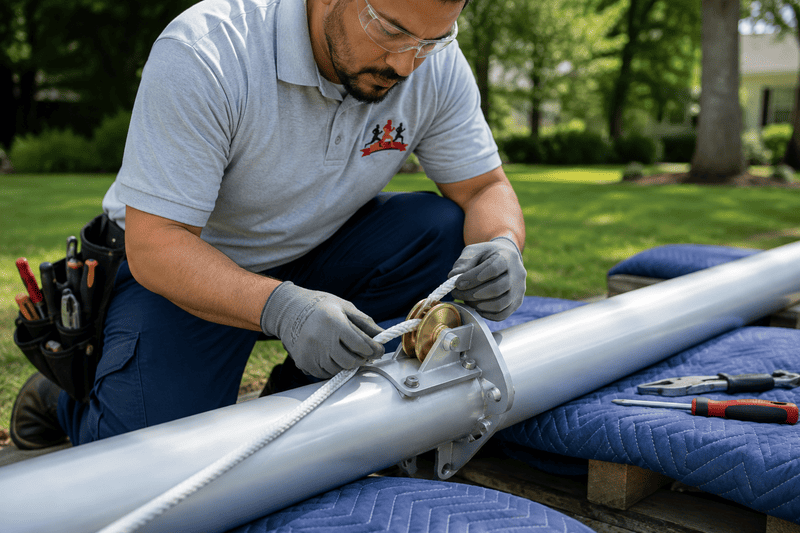
Halyards, pulleys, cleats, finials, truck assemblies, and counterweights need clean installation because poor hardware setup can cause rough flag movement, noise, or early wear. Careful assembly helps the flag raise and lower smoothly while keeping components aligned with the pole design and intended use.
Hardware details should not be rushed
A flagpole is more than a hole and a pole. The hardware package affects daily use.
Installers usually check:
- Halyard rope routing
- Pulley movement at the top
- Cleat placement for easy access
- Finial attachment
- Truck assembly alignment
- Counterweight function where applicable
On larger sites, flagpole work may be coordinated with signage installation for commercial properties to keep exterior upgrades organized.
Commercial Properties Need Organized Outdoor Installation
Commercial properties need organized outdoor installation because access, traffic, landscaping, and public visibility raise the stakes. A retail entrance, apartment community, office park, school, or municipal site often needs coordinated scheduling, safer work zones, and cleaner placement decisions than a typical backyard project.
Multi-use properties need tighter coordination
Property managers often juggle several exterior priorities on one visit. That can include benches, signs, recreation features, and entry improvements.
Many teams bundle projects such as commercial installation services for properties, park bench installation for outdoor spaces, commercial recreation installation service support, and court building for outdoor spaces when planning site updates.
If access timing is tight, same-day moving help for projects may also support staging and layout preparation.
Professional Setup Helps Protect the Yard and Budget
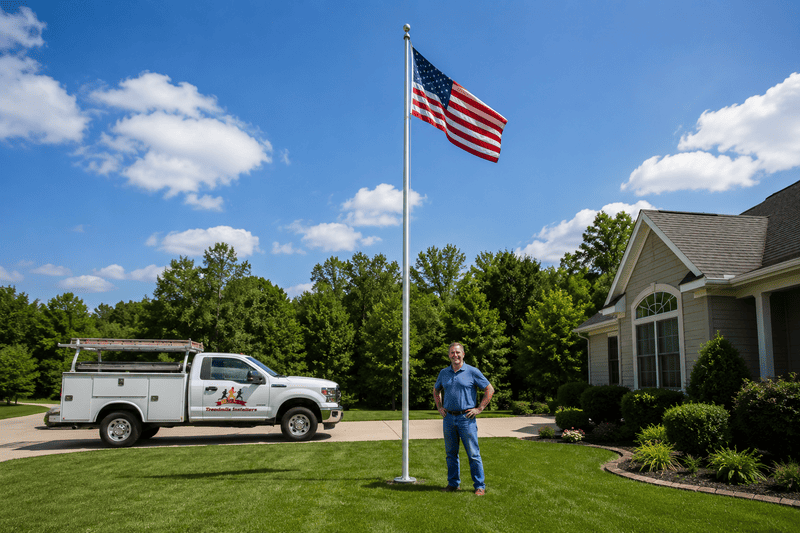
Professional setup helps protect the yard and budget because it brings planning, utility awareness, footing preparation, sleeve placement, leveling, and hardware checks into one process. That approach can help reduce avoidable digging mistakes, cleanup costs, and rework for homeowners and property managers alike.
Why hiring professionals is practical
A professional crew helps organize the job from the start. That matters when the site includes buried utilities, landscaped lawns, or public-facing entrances.
It is also a practical fit for residential flagpole installation, commercial flagpole installation, and other property updates, including professional moving services for properties.
Book Professional Flagpole Installation Today
Unsafe digging, shallow footings, leaning poles, and rushed hardware can turn a simple project into an expensive one. Professional flagpole installation helps property owners plan the site carefully and avoid common setup mistakes.
If you are preparing a larger property update, crews may also coordinate home staging help, entertainment center assembly, and office install prep around the same schedule.
Get Your Flagpole Project Scheduled Fast
Homeowners and commercial property managers can protect their yard, property lines, and budget by using request a flagpole setup quote to book Treadmills Installers for site planning, utility-aware digging, concrete footing setup, pole leveling, hardware installation, park bench installation, and commercial outdoor services.
Frequently Asked Questions
Why is DIY flagpole installation risky?
DIY digging can hit buried utilities, weaken the setup, or create leveling problems. Many poles need deeper support than property owners expect.
Should utilities be marked before installing a flagpole?
Yes. Utility marking should happen before digging so the placement plan can account for buried lines and site conflicts.
How deep should a flagpole footing be?
Footing depth varies by pole height, soil condition, sleeve design, and site exposure. Manufacturer instructions should guide the final plan.
Can a flagpole be installed in any yard?
Not always. Property lines, buried utilities, soil, drainage, and access paths can limit the best location.
Why does wind exposure matter for flagpoles?
Open areas can place more stress on the pole and footing. Wind exposure should be considered during planning and placement.
How do installers keep a flagpole straight?
Installers use levels, alignment checks, and careful sleeve positioning. They also recheck the pole during assembly.
What hardware is needed for a flagpole?
Most setups use halyard ropes, pulleys, cleats, a finial, and a truck assembly. Some poles also use counterweights.
When should I request a flagpole installation quote?
Request a quote before any digging starts. Early planning helps with utility marking, site layout, and scheduling.