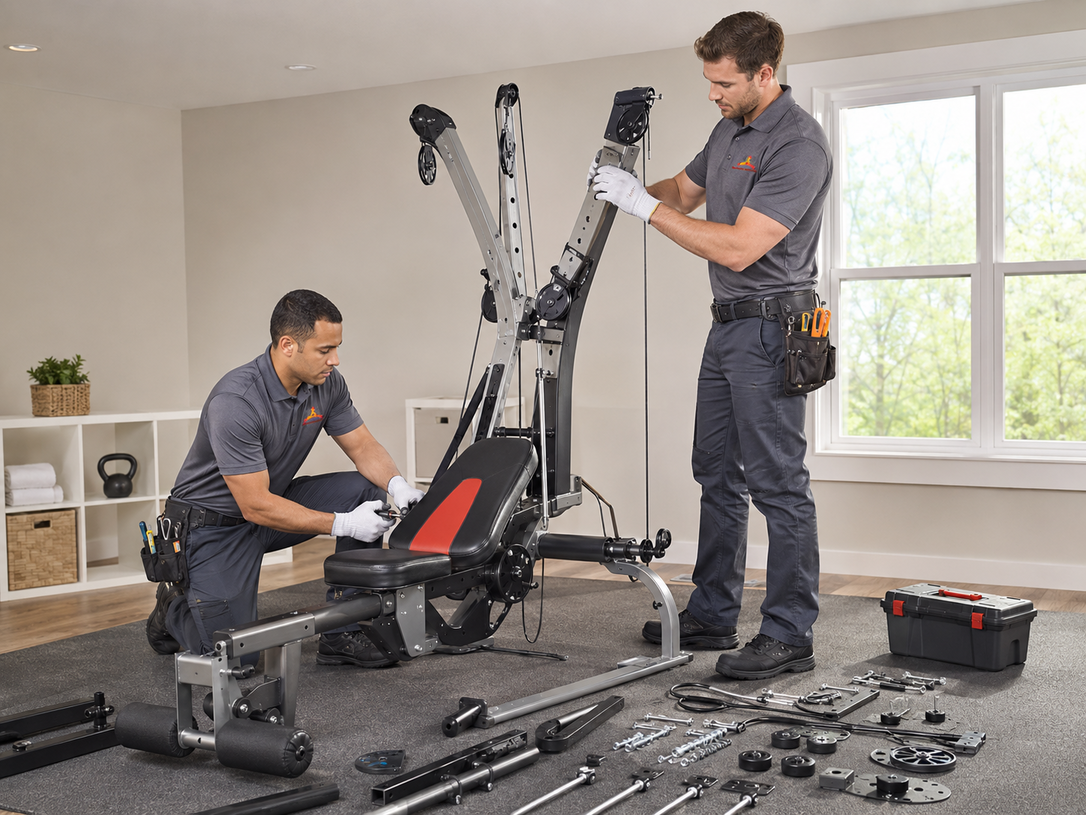
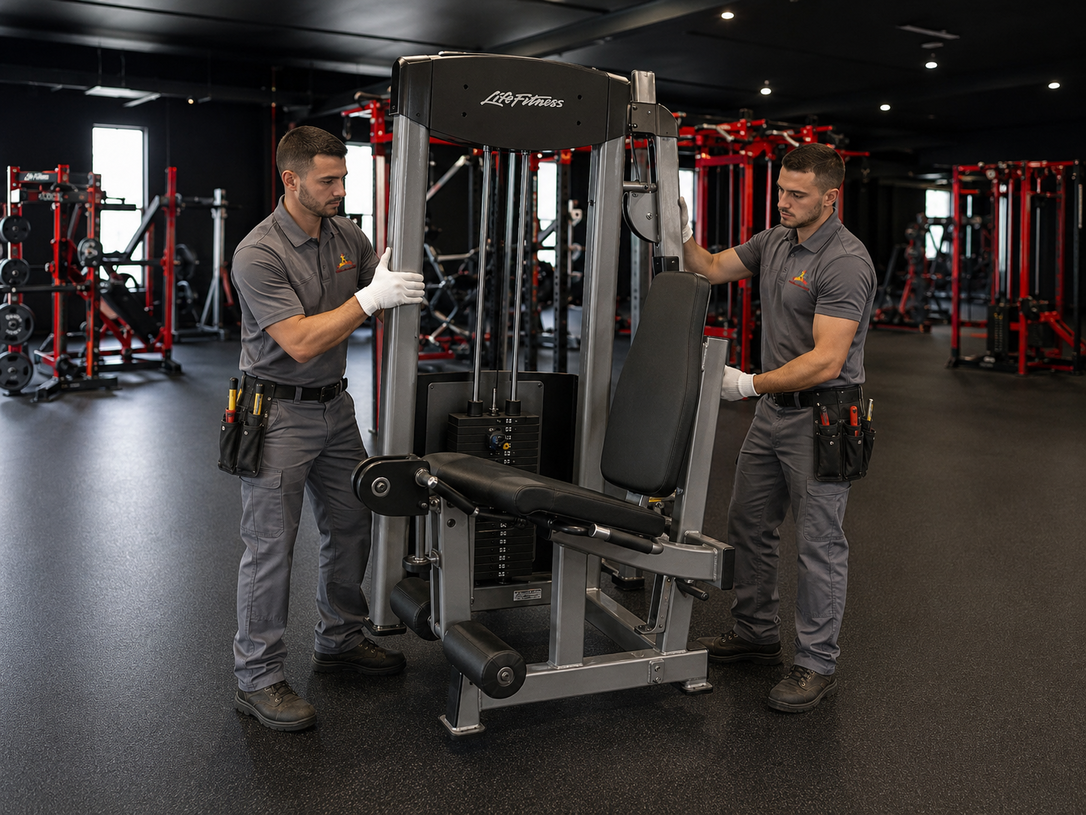
Why Hydraulic Fitness Equipment Requires More Than Basic Assembly for Safe Use
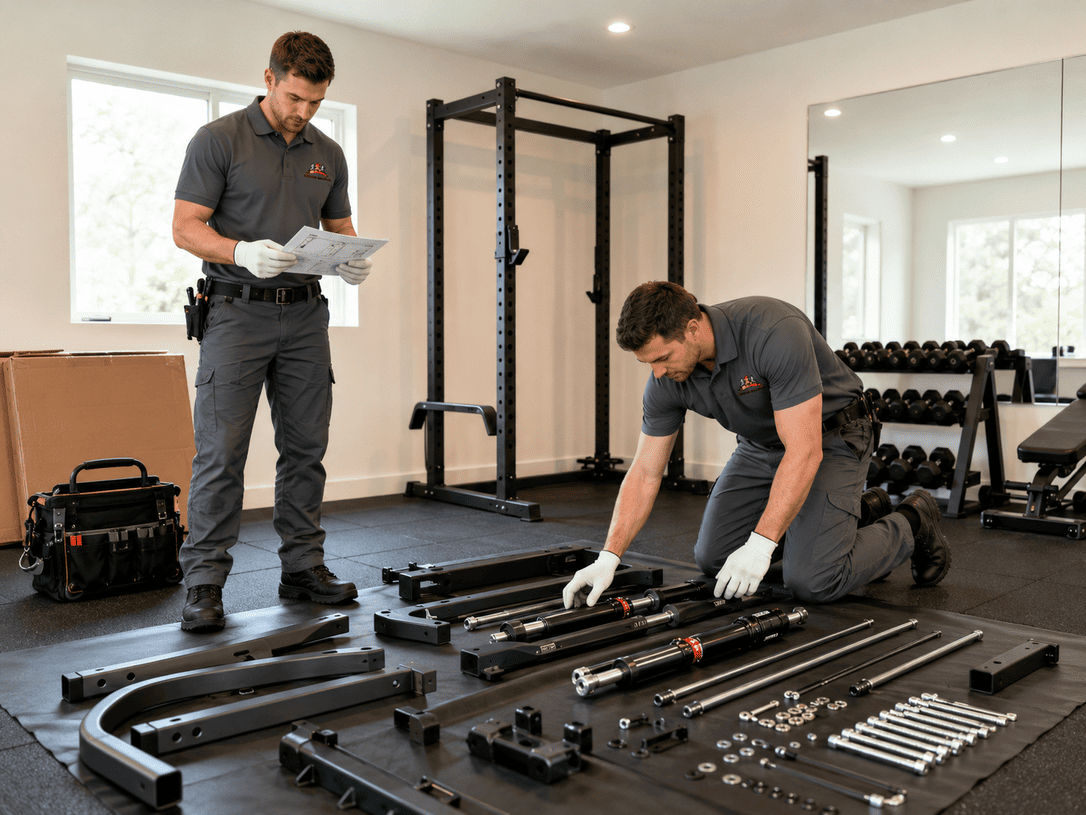
Hydraulic fitness equipment needs more than basic assembly because the frame, resistance arms, pistons, handles, bench supports, and user position must all work together under real workout pressure. The right setup depends on the equipment type, hydraulic resistance system, room layout, floor surface, user clearance, hardware condition, and weight capacity. Setup choices also shift based on whether the machine lives in a home gym, apartment, garage, basement, or small training space.
- Hydraulic resistance parts need correct alignment to move smoothly under load
- Frames and moving arms must stay stable through every rep
- Room clearance affects safe rowing, pushing, and pulling motions
- Weight benches and accessories should match the machine and the workout style
- Professional installation can reduce safety issues and early wear
Hydraulic Machines Need Setup That Matches How They Move
Hydraulic fitness equipment often looks simple at first glance. Many models are compact, lightweight, and shipped in a single box. Once you start unpacking, though, the resistance arms, pistons, bench supports, handles, footplates, bolts, and moving joints all need to line up properly before the machine is safe to use. Rushed assembly can lead to uneven movement, loose hardware, awkward workout angles, frame wobble, or unnecessary wear on the pistons.
Professional hydraulic equipment assembly for home gyms gives apartments, garage gyms, basement workout areas, and small training rooms a safer starting point for daily training.
Compact Fitness Equipment Can Still Be Complicated
Compact hydraulic machines often hide more complexity than people expect. A single unit can include adjustable resistance cylinders, pivoting arms, swing-out handles, padded benches, and multiple bolt patterns that all influence how the machine performs during a workout.
Small footprint does not mean simple setup. A hydraulic gym tucked into a condo corner still needs the same alignment attention as a larger commercial unit. Skipping steps in compact builds is one of the most common home gym setup mistakes to avoid, especially when the instructions arrive with vague diagrams.
Key complexity factors include:
- Multiple hydraulic cylinders that must seat correctly
- Pivot points that rely on torque specs, not hand tightening
- Adjustable pulley or arm positions that change resistance feel
- Bench attachments that must clear the resistance arms
Hydraulic Resistance Parts Need Careful Alignment
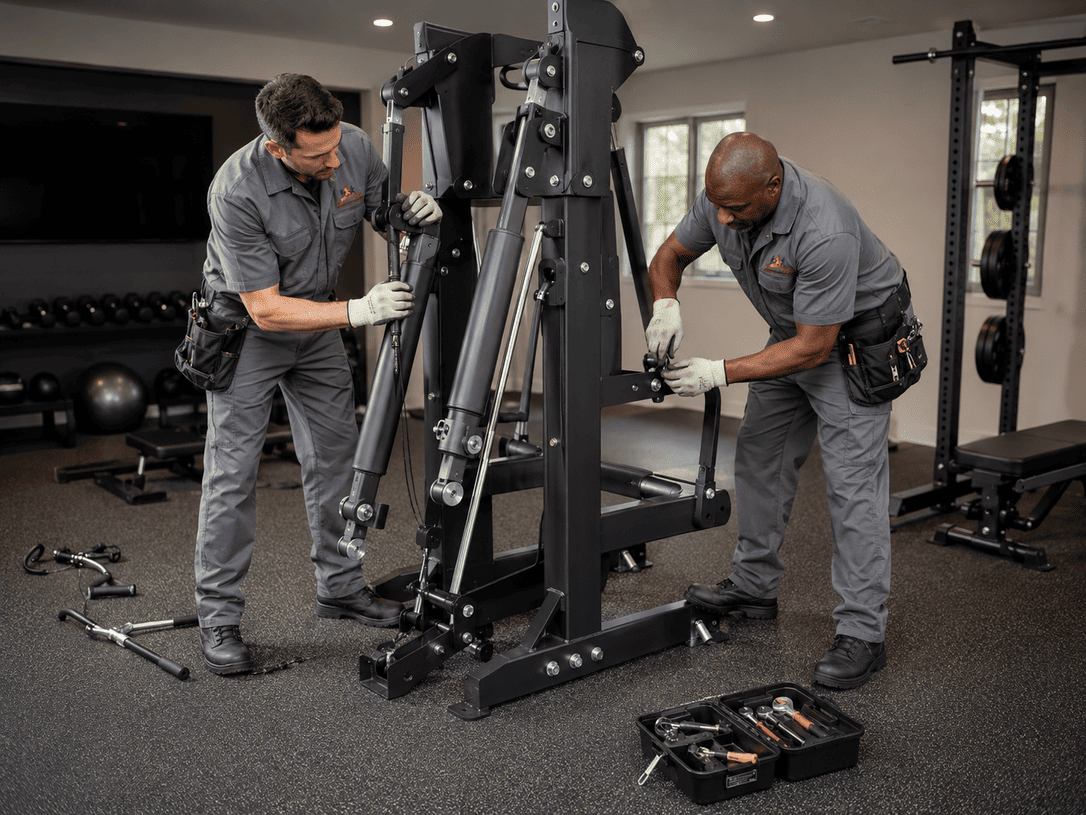
Hydraulic resistance parts rely on precise alignment to deliver smooth, consistent motion. When pistons sit at the wrong angle or arms are mounted unevenly, the machine feels jerky, leaks fluid faster, and wears out prematurely. Proper alignment keeps every rep balanced and predictable.
Why Alignment Affects Workout Feel
A hydraulic cylinder that is even a few degrees off can make one side feel heavier than the other. Users often notice this during chest presses, rows, or leg extensions where both arms should move together. Over time, that imbalance can cause shoulder strain or hip discomfort.
How Misalignment Damages Hardware
Misaligned pistons grind against their mounts, and bolts loosen faster under uneven load. For shoppers comparing hydraulic rowing machine product options, alignment quality during assembly often matters more than the brand itself.
Frames, Arms, and Handles Should Feel Stable Under Use
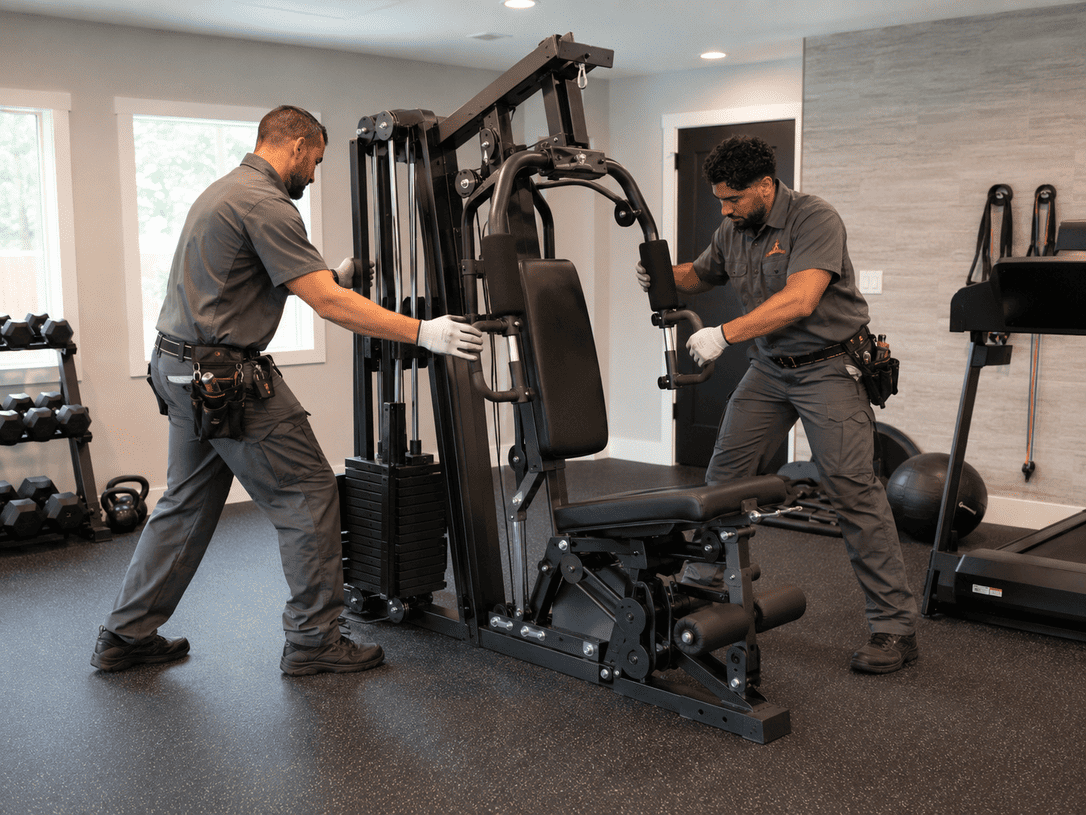
A stable frame is the foundation of safe hydraulic training. If the base rocks, the arms flex, or the handles twist under load, the entire workout becomes unpredictable. Stability checks during assembly help prevent injuries and protect the machine from early failure.
Stability red flags to watch for:
- Frame rocking on finished floors or thin mats
- Handles that rotate slightly when gripped firmly
- Resistance arms that sag when fully extended
- Bolts that turn freely after a few workout sessions
- Bench supports that shift sideways during pressing motions
Garage gyms and basement workout rooms often have uneven concrete that magnifies these issues. Shimming the base, using rubber mats, and torquing bolts in the correct sequence usually solves it.
Room Clearance Affects Every Push, Pull, and Row
Room clearance is just as important as the assembly itself. Hydraulic rowing machines, lat pulldowns, and chest presses all need open space around the user for full range of motion. Tight corners, low ceilings, and crowded layouts force compromised form.
| Equipment Type | Recommended Clearance | Common Room Fit |
|---|---|---|
| Hydraulic rowing machine | 8 ft length, 3 ft width | Basement, garage |
| Hydraulic weight station | 4 ft on each side | Home gym, spare room |
| Hydraulic weight bench | 3 ft around all sides | Apartment, condo |
| Compact multi-gym | 5 ft front clearance | Townhome, studio |
Apartments and condos often need creative placement near a wall, while garages may need to account for the swing of a car door. Measuring before assembly saves hours of rework later.
Weight Benches Should Fit the Machine and the Workout
A weight bench is more than an accessory. It anchors pressing movements, supports the lower back during rows, and creates a stable platform for accessory exercises. The bench height, pad firmness, and footprint all need to match the hydraulic station it pairs with.
Proper weight bench assembly for workouts keeps the pad level with the resistance arms, which is critical for shoulder-safe pressing angles. Adjustable benches add another layer because every incline position must lock firmly without slipping mid-set.
For broader options, many homeowners explore hydraulic weight machine shopping options before deciding which bench pairing makes sense.
Moving Hydraulic Equipment Can Change the Setup
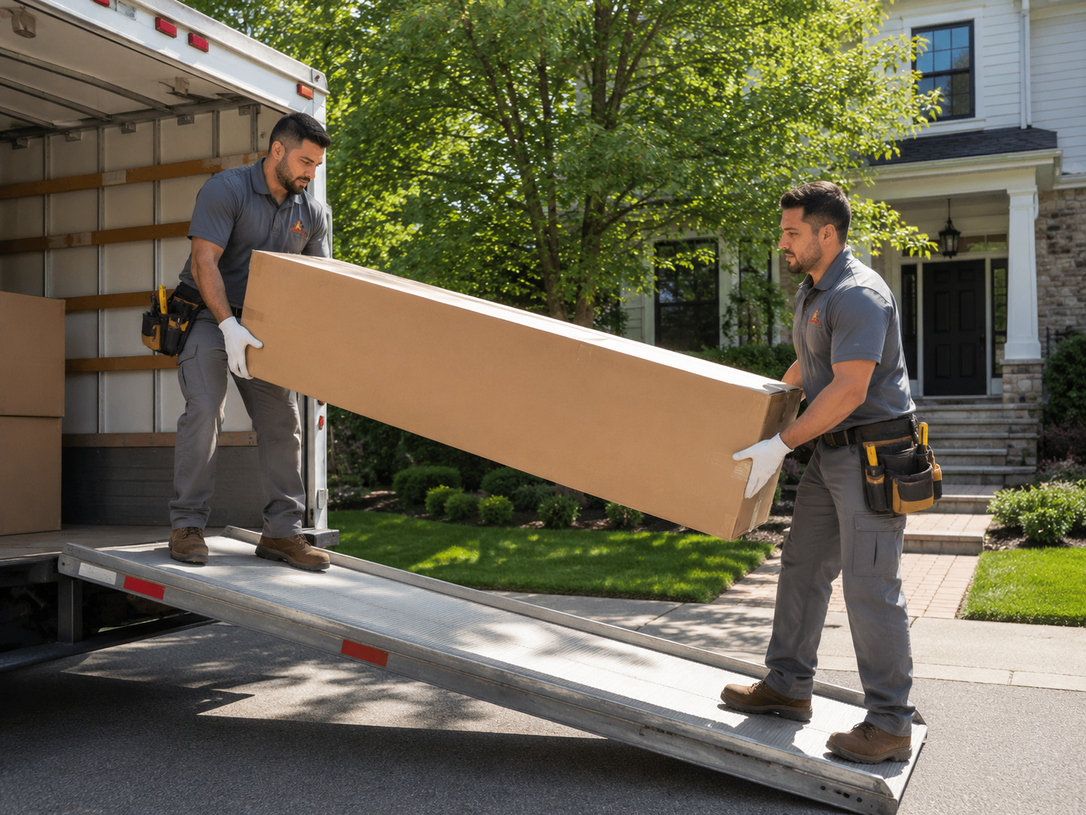
Relocating a hydraulic machine almost always changes the original setup. Bolts loosen during transport, pistons shift inside their housings, and alignment drifts even on short moves between rooms. Reassembly should be treated as a fresh build, not a quick reconnect.
Common moving and reinstall scenarios:
- Shifting a home gym from basement to garage
- Relocating equipment during a move to a new home
- Breaking down a machine to refinish a floor
- Reconfiguring a multi-use workout room
For long-distance transitions, services that help move gym equipment without damage protect the frame and hydraulics during transit. After arrival, specialized disassembly relocation for equipment ensures the rebuild matches the original factory tolerances.
Hydraulic fitness equipment assembly planning means checking the machine type, hydraulic resistance parts, frame pieces, handles, moving arms, bench supports, floor surface, workout clearance, and final placement before the equipment is used. This planning step is what separates a smooth installation from a rushed build that needs corrections later.
Unsafe Assembly Often Shows Up During the First Workout
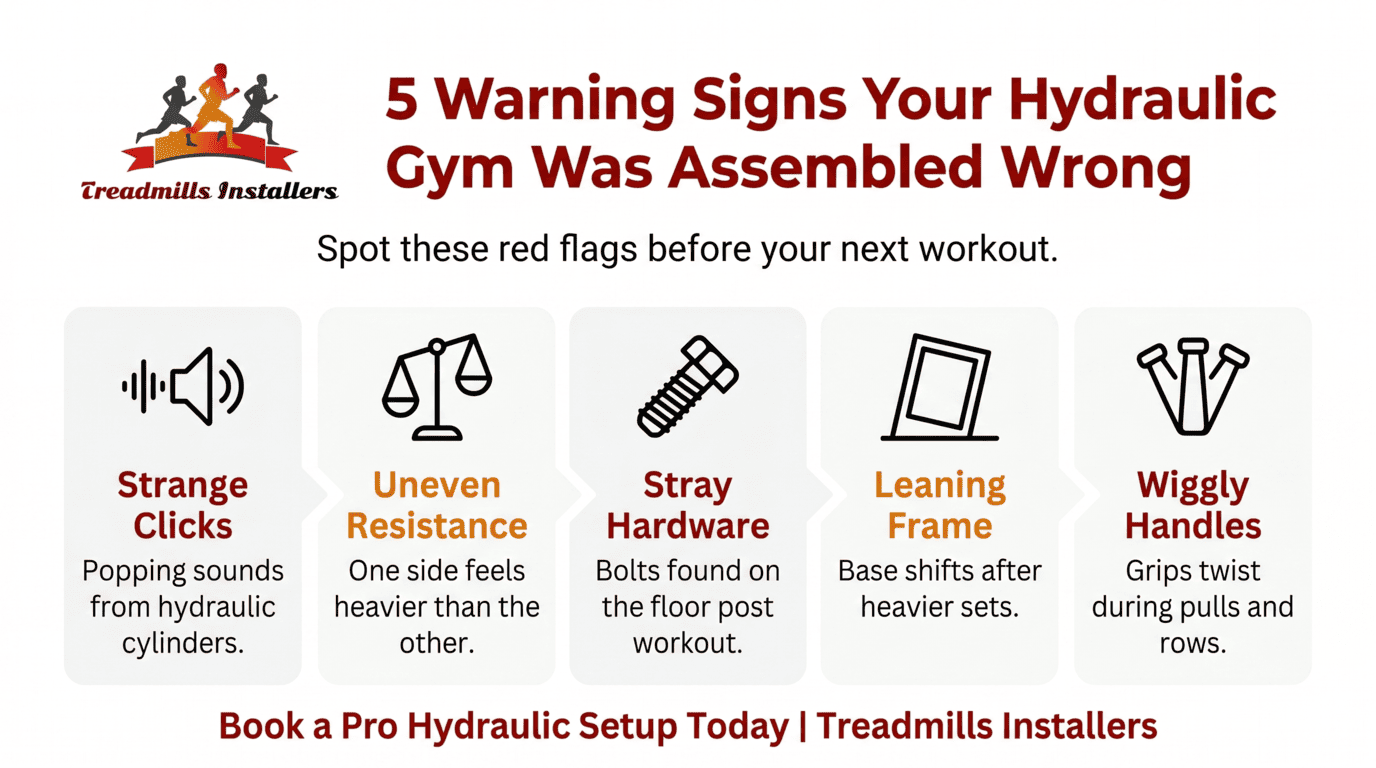
The first real workout usually reveals assembly problems. Strange sounds, uneven resistance, and visible flex are early warning signs that something was missed during the build. Catching these issues early prevents injuries and protects the warranty.
Warning signs to watch for:
- Clicking or popping from hydraulic cylinders
- Resistance that feels stronger on one side
- Bolts visible on the floor after a session
- Frame leaning slightly after heavier sets
- Handles that wiggle during pulling motions
Rehab-focused users and personal trainers feel these issues fastest because they rely on consistent resistance for programming. A wobbly machine in a small fitness studio can also undermine client confidence.
Professional Setup Helps Home Gyms Feel Safer Faster
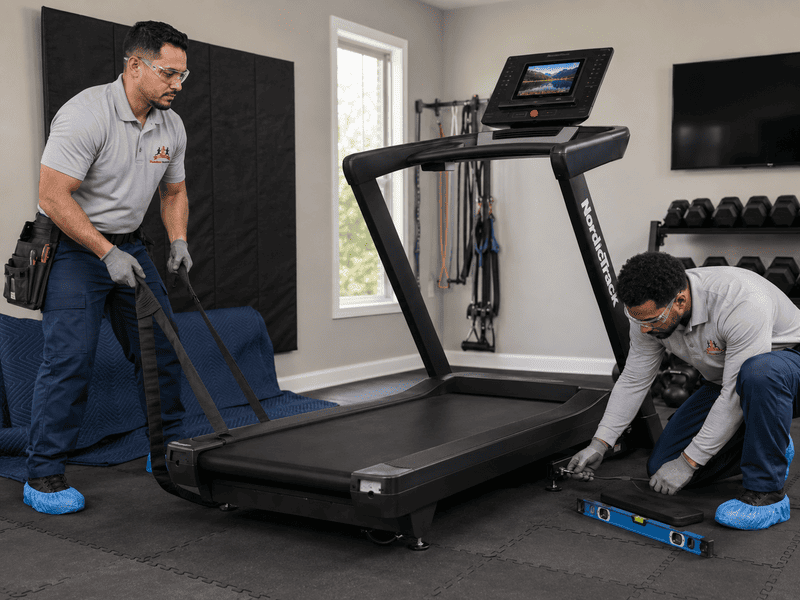
Professional assembly removes the guesswork and gets the equipment workout-ready on day one. Trained installers know the torque specs, alignment checks, and clearance standards that most owner manuals only hint at. They also bring specialty fitness equipment setup support for unusual models and discontinued units.
Benefits of professional hydraulic equipment assembly:
- Correct torque on every bolt and pivot
- Verified piston alignment and resistance balance
- Floor protection and stable placement
- Bench and accessory pairing checked against the frame
- Faster, safer first workout
Whether the goal is a full professional home gym setup services build or a single hydraulic rower install, expert hands shorten the timeline and reduce stress.
Schedule Hydraulic Equipment Assembly With Treadmills Installers
Safer hydraulic workouts start with proper resistance alignment, stable frames, smart room clearance, and benches that match the machine. Treadmills Installers handles every step so your home gym feels solid from the first rep.
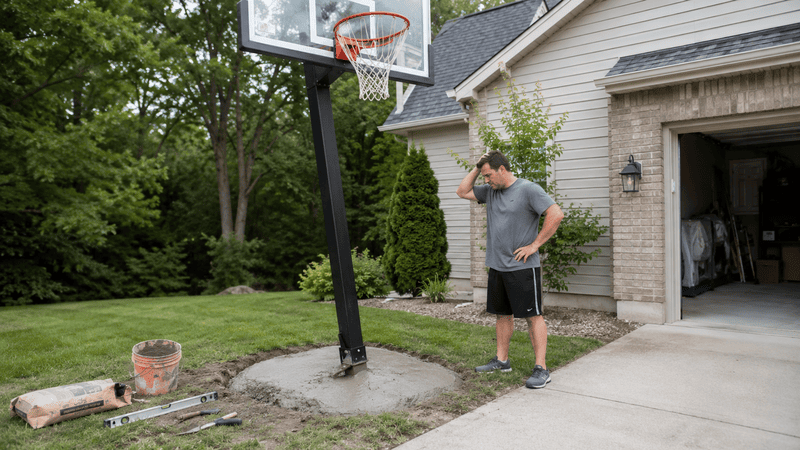
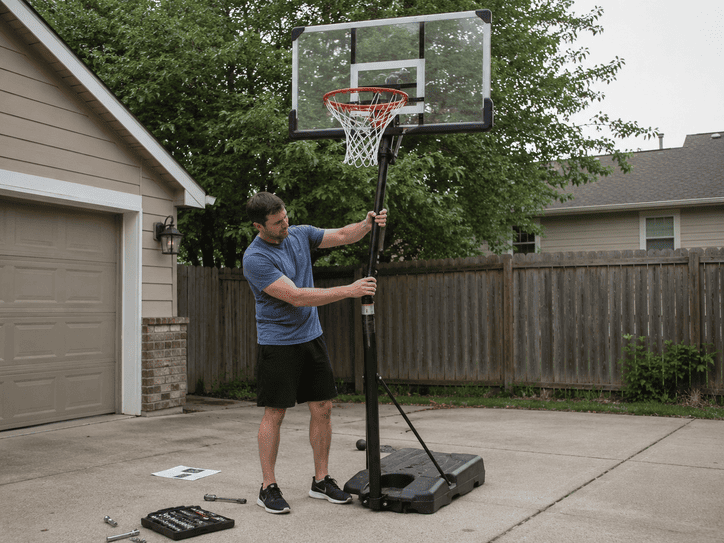
Our team also supports broader projects with recliner repair help and trusted home furniture assembly when needed. For workspace upgrades, clients often pair gym builds with office furniture assembly or outdoor projects like basketball hoop installation nearby.
To schedule fitness equipment installation help or request hydraulic equipment assembly service today, reach out and get your home workout space ready for safe, confident training.
Frequently Asked Questions About Hydraulic Fitness Equipment Assembly
Does hydraulic fitness equipment need professional assembly?
Most hydraulic machines benefit from professional assembly because the resistance parts, frame, and bench supports must align precisely. Owner manuals rarely cover torque specs or clearance checks in detail. A trained installer closes that gap quickly.
What makes hydraulic exercise machines different from basic equipment?
Hydraulic machines use sealed cylinders filled with fluid to create resistance, instead of weight plates or cables. That design means alignment, angle, and bolt tension directly affect how the machine feels. Small errors are easier to feel than on traditional gear.
Can hydraulic rowing machines be assembled at home?
Yes, but the rail, seat track, footplate, and resistance arm all need careful alignment for a smooth stroke. Home assembly works best when the user follows torque specs and double checks every pivot. Otherwise, the row can feel uneven from the first pull.
Why does room clearance matter for hydraulic equipment?
Clearance protects your form and the machine. Without enough space, users shorten their range of motion or bump walls during rows and presses. That leads to bad habits and accidental damage to the frame.
What happens if hydraulic resistance parts are misaligned?
Misaligned parts cause uneven resistance, faster wear, and sometimes fluid leaks. The workout starts feeling stronger on one side or jerky through the range. Long term, it shortens the lifespan of the pistons.
Can hydraulic equipment be moved and reassembled?
Yes, but every move should be followed by a full reassembly check. Bolts loosen, alignment shifts, and bench attachments often need to be reseated. Treating a relocation as a fresh build keeps the machine safe.
Are weight benches important for hydraulic gym setups?
Weight benches anchor many pressing and rowing motions, so the right bench makes the hydraulic station more useful. Height, pad firmness, and stability all matter. A mismatched bench can limit which exercises you can perform safely.
When should I schedule hydraulic equipment assembly help?
Schedule help as soon as the equipment arrives or before a planned move. Early scheduling avoids weekend backlogs and gets your gym ready faster. It also prevents the temptation to rush the build yourself.