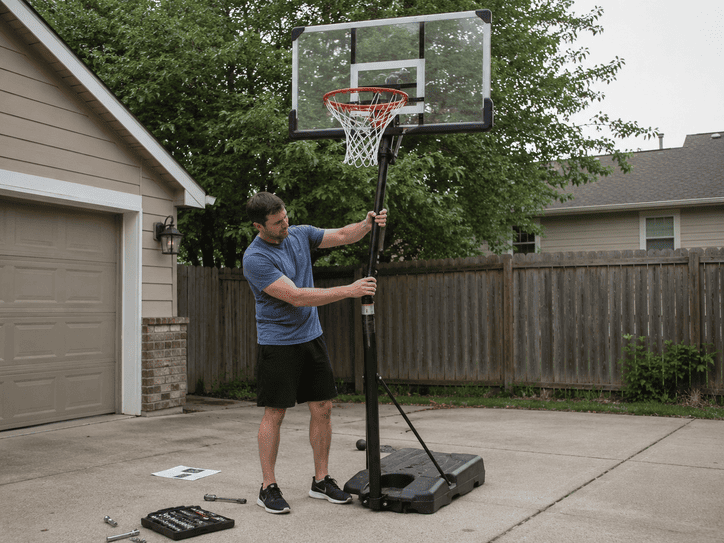
How to Move and Reinstall Home Gym Equipment Without Damaging Your Space
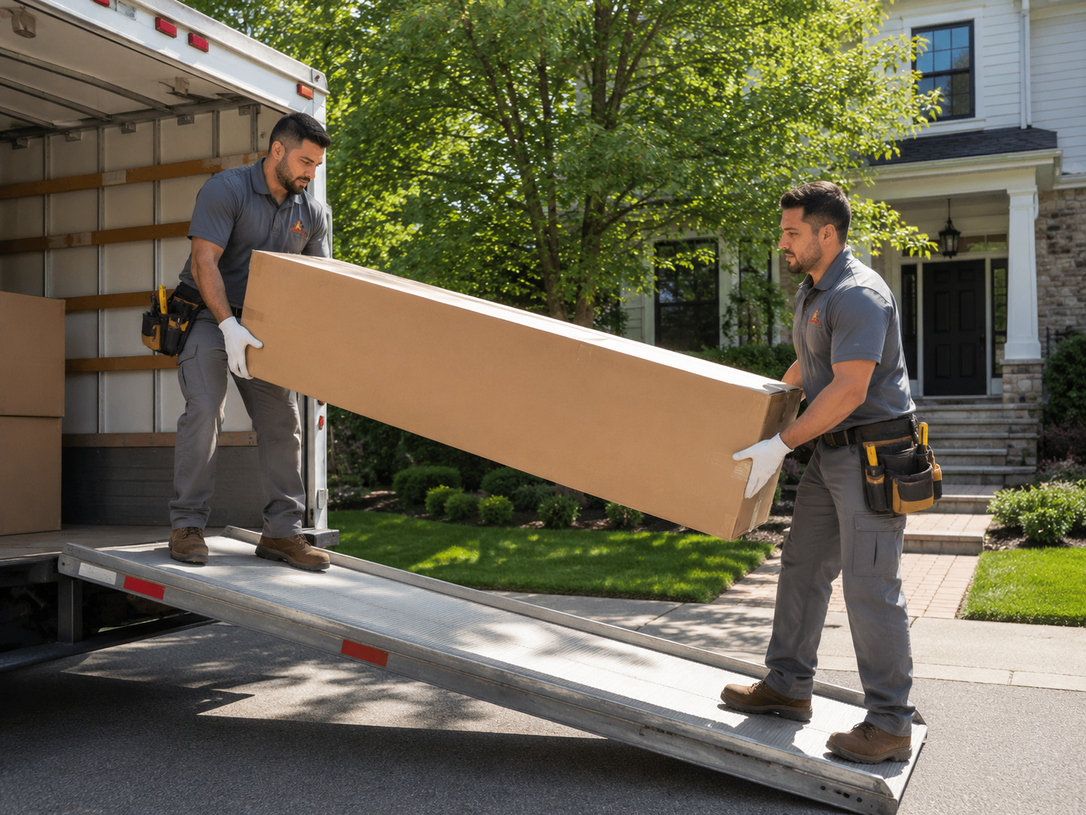
Moving and reinstalling home gym equipment safely takes disassembly planning, protected transport paths, floor and wall protection, correct reassembly, leveling, electrical checks, and placement that supports safe daily use. The right method depends on equipment size, weight, room layout, stairs, doorway clearance, flooring type, and power access. Whether the setup is in a home, apartment, garage gym, basement gym, or private training space changes how each step should be handled.
- Protect floors, walls, and doorways with pads, ramps, and corner guards before lifting anything.
- Disassemble heavy treadmills, racks, and cable machines instead of dragging them whole.
- Plan stairs, hallway turns, and room clearance based on actual measurements.
- Reinstall every machine with proper leveling, hardware torque, and electrical checks.
- Call professionals when the equipment is heavy, electronic, or located on an upper floor.
Safe Home Gym Moving Help for Heavy Fitness Equipment
Moving a home gym looks easy until the first treadmill hits a doorframe. Heavy frames, awkward decks, sensitive consoles, rubber tiles, and narrow stairwells turn a simple relocation into a damage risk. A loose bolt, a scraped wall, or a bent rack support can lead to expensive repairs and an unsafe workout space. That is why so many homeowners, renters, and small studio owners rely on a structured moving and reinstallation process.
Our team handle disassembly, transport, and reassembly in homes, apartments, basements, garages, and private training rooms, keeping both the equipment and the property in safe condition.
Planning the Move Before Equipment Leaves the Room
Smart planning prevents most home gym damage. Before lifting any machine, measure doorways, hallways, stair widths, and ceiling heights. Then match those numbers to each piece of equipment so the route is clear from start to finish.
Home gym equipment moving and reinstallation planning means checking equipment size, weight, disassembly needs, door clearance, stairs, floor protection, power access, room layout, and final placement before relocating fitness machines. A solid plan reduces wall scuffs, dropped hardware, and last minute surprises.
Use this quick planning check before move day:
- Confirm each machine's weight and assembled dimensions.
- Identify which parts unbolt safely and which must stay intact.
- Map the path from the gym room to the moving truck.
- Note tight turns, low ceilings, railings, and finished flooring zones.
- Decide whether a dolly, ramp, or extra lifter is needed at each point.
For deeper guidance, this overview of gym equipment moving shows how route planning protects both the home and the equipment.
Protecting Floors, Walls, Doors, and Stairways During Relocation
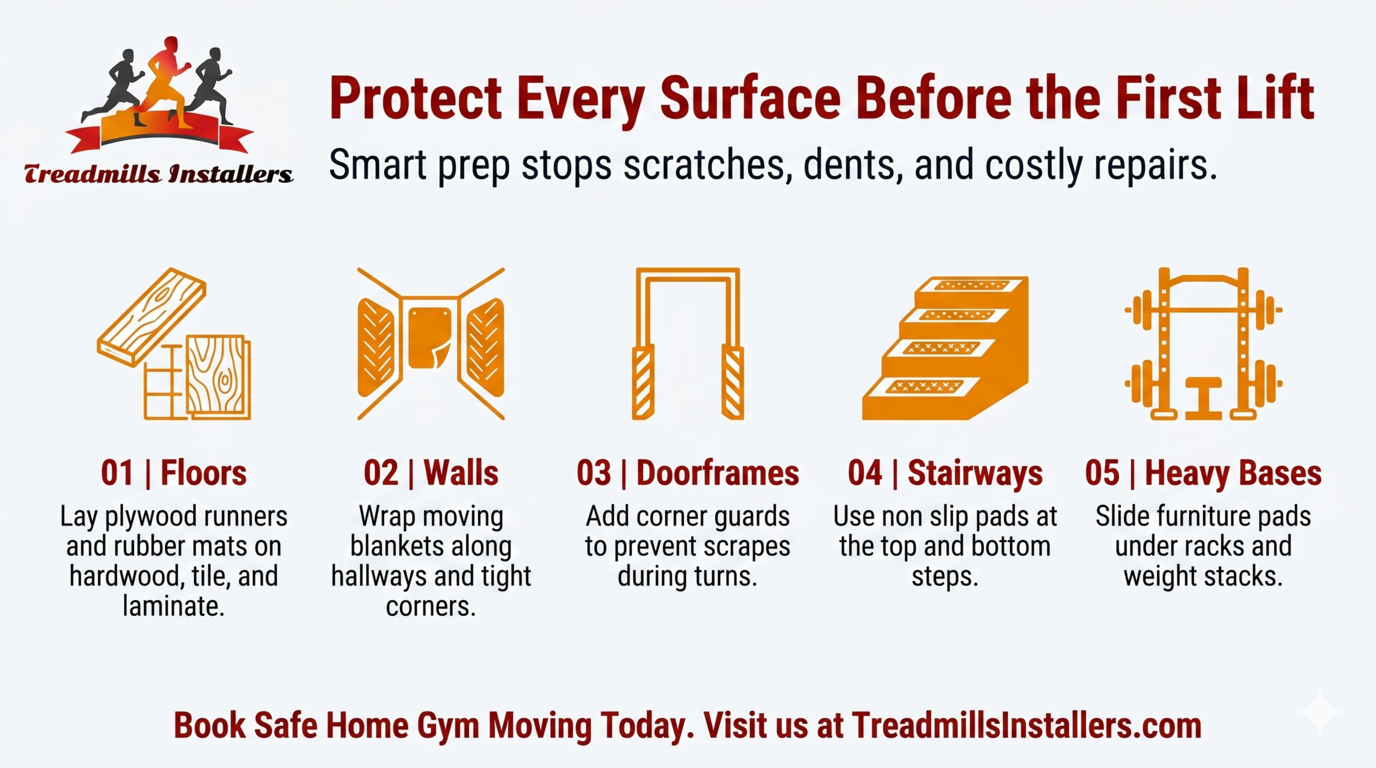
Floor and wall protection should be in place before the first machine is touched. Rubber tiles, hardwood, laminate, and tile floors all scratch easily under heavy plates, rack feet, and treadmill wheels. Doorframes and stair railings also take direct hits during awkward lifts.
Reliable protection usually includes:
- Moving blankets along walls and railings.
- Plywood runners across hardwood, vinyl, and tile floors.
- Corner guards on doorframes, banisters, and tight turns.
- Furniture sliders under heavy bases and weight stacks.
- Non slip pads at the top and bottom of stairs.
In condos, townhomes, and upper floor rooms, this matters even more since damage can affect resale value or trigger HOA fines. Reviewing fitness product regulations also helps owners understand safety standards that apply to residential equipment placement.
Treadmills Need Careful Disassembly and Reinstallation
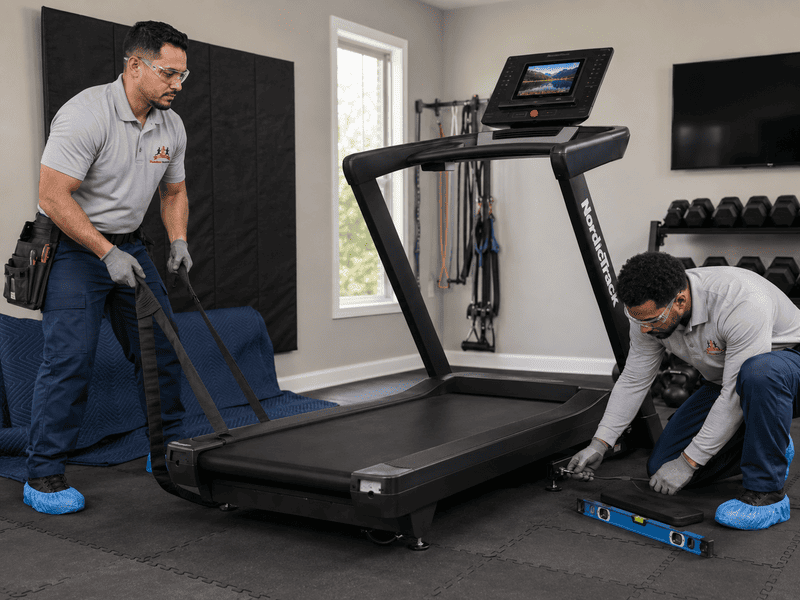
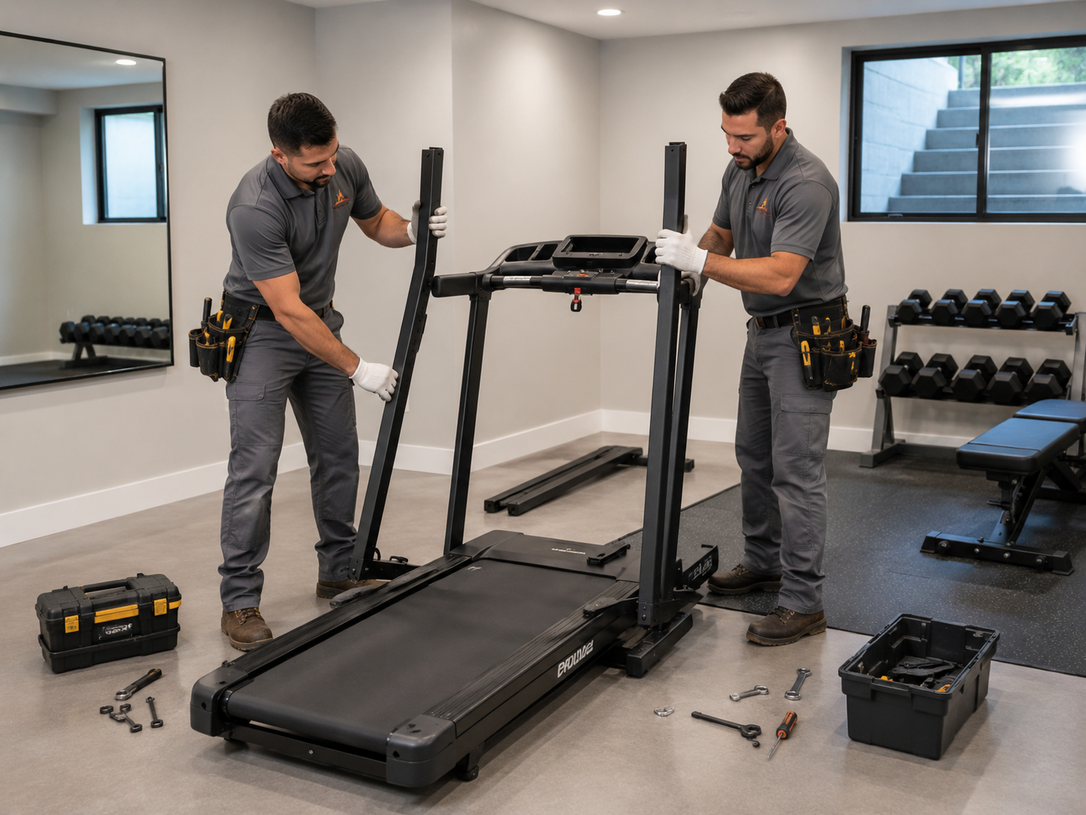
Treadmills are the most damage prone item in any home gym move. The deck is heavy, the console is fragile, and the folding hinge often hides wiring that can pinch or tear. Most treadmills should be partially disassembled rather than carried fully built.
A professional treadmill assembly service typically follows this sequence:
| Step | Action | Why It Matters |
|---|---|---|
| 1 | Unplug and secure power cord | Prevents electrical shorts and trip hazards |
| 2 | Remove console and uprights | Protects screen and reduces lifting weight |
| 3 | Fold or detach running deck | Allows safe handling through doors and stairs |
| 4 | Wrap and label hardware | Avoids missing bolts during reinstallation |
| 5 | Reassemble, level, and test belt | Restores smooth, safe daily performance |
Skipping any of these steps risks belt misalignment, console damage, or a wobbly frame after setup. Buyers shopping for new units on the home gym equipment market should also plan installation before delivery day.
Home Gym Machines Require Stable Setup After Moving
Racks, cable machines, ellipticals, bikes, and adjustable benches each need stable placement after a move. A direct answer here: stability comes from level flooring, fully torqued hardware, balanced weight distribution, and clearance around every moving part.
Reassembly priorities for common machines
Power racks need plumb uprights and tight crossmember bolts. Cable machines require proper pulley alignment so the cables do not fray. Ellipticals must sit on a flat surface to prevent stride wobble, while spin bikes need level feet to avoid frame stress.
Hardware and safety checks
After reassembly, every bolt should be torqued to the manufacturer spec, not just hand tight. Safety pins, spotter arms, and weight horns must be reinstalled in their original positions. Skipping these checks is one of the most common home gym setup mistakes that lead to early wear or injury.
Room Layout and Power Access Affect Safe Daily Use
Smart layout planning makes a reinstalled gym easier and safer to use. Treadmills and ellipticals need a dedicated outlet on a circuit that is not shared with high draw appliances. Cardio machines should sit at least two feet from walls, with extra clearance behind treadmills for safe dismounts.
Key layout factors include:
- Ceiling height for overhead presses, pull ups, and tall ellipticals.
- Outlet location for cardio machines and console displays.
- Ventilation and airflow in basements and garage gyms.
- Mirror placement for form checks during lifts.
- Mat coverage under heavy plates and racks.
In apartments and condos, sound dampening mats also matter to reduce noise transfer to neighbors below.
Common Moving Mistakes That Damage Fitness Equipment
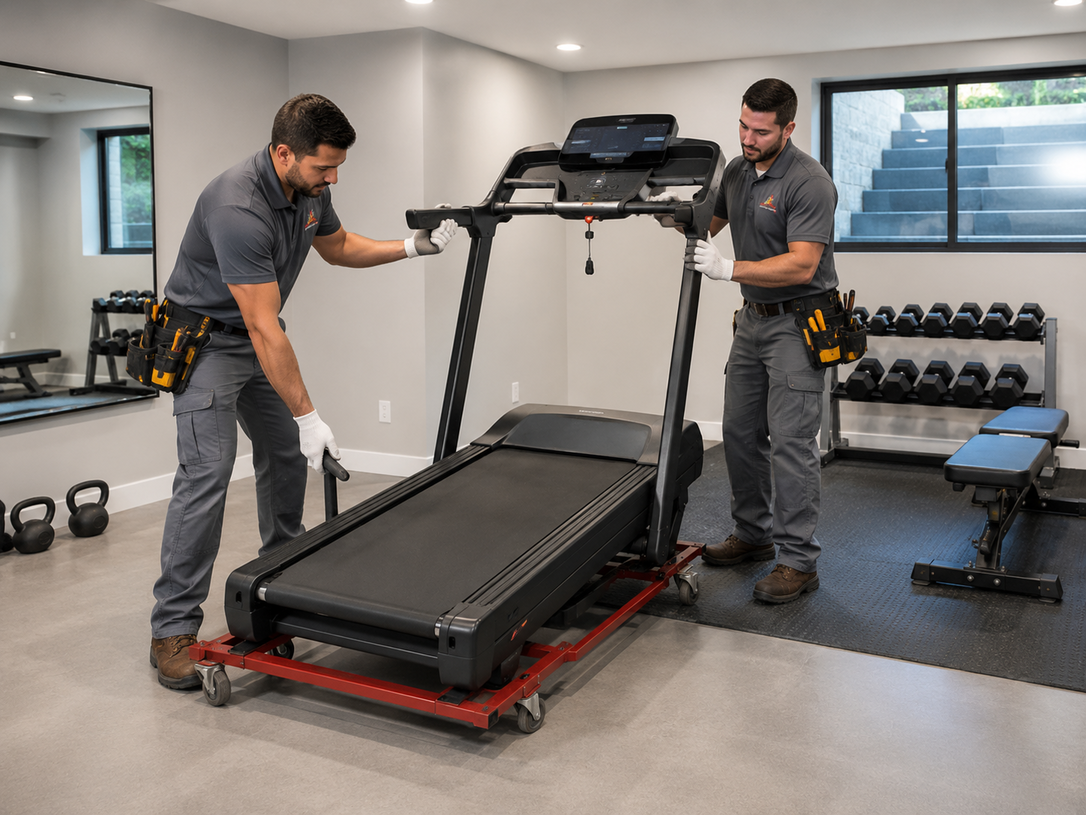
Most damage during a home gym move comes from a few repeat mistakes. The biggest is trying to carry fully assembled machines through tight spaces. Other costly errors include losing hardware, forcing parts together, and skipping protective padding.
Avoid these common issues:
- Dragging treadmills across hardwood or laminate floors.
- Tilting cable machines without securing the weight stack.
- Mixing hardware from different machines in one bag.
- Ignoring manufacturer disassembly instructions.
- Lifting heavy racks without enough people or proper straps.
Following specialty mover rules also helps when equipment must travel by truck between properties.
Professional Moving Services Reduce Risk for Heavy Gym Gear
Hiring trained installers is often the smarter choice for heavy or electronic equipment. A direct answer: professional crews bring the right tools, lifting straps, dollies, and disassembly experience to move equipment without harming floors, walls, or the machines themselves.
Benefits of using a
professional fitness moving crew include faster move times, fewer damage incidents, and proper reassembly that matches manufacturer standards. For commercial style units similar to
commercial fitness equipment, professional help is almost always required due to weight and complexity. Owners with multi machine setups, basement gyms, or upper floor rooms benefit the most, especially when stairs or tight turns are involved.
Reinstalling Equipment Properly Helps Performance Last Longer
Proper reinstallation directly affects how long equipment lasts. A treadmill belt that is not centered will wear unevenly. A rack that is not level will shift under load. An elliptical with loose pedals will develop frame play within months.
A complete home gym setup after a move should include leveling, hardware torque checks, lubrication where required, electrical testing, and a short function test on every machine. This level of care is what separates a quick drop off from a true reinstall, and it is the same approach used by trusted home gym installation crews and full service equipment relocation service providers.
Get Safe Home Gym Moving and Reinstallation Help
Treadmills Installers handles safe disassembly, floor and wall protection, careful transport, correct reassembly, treadmill setup, stable placement, and long term performance checks for every type of home gym. Homeowners can also bundle support like home furniture assembly, a quick recliner repair service, office furniture planning for home offices, or even driveway hoop planning for outdoor spaces.
To book a move, schedule installation help or request treadmill service today.
Frequently Asked Questions About Moving Home Gym Equipment
Can a treadmill be disassembled before moving?
Yes, most treadmills should be partially disassembled before any move. Removing the console, folding the deck, and securing the power cord protects fragile parts. This also makes the unit lighter and safer to carry through doors and stairs.
How do you protect floors when moving gym equipment?
Use plywood runners, moving blankets, and furniture sliders under every heavy machine. Rubber mats help on tile and hardwood, while corner guards protect doorframes. These steps prevent scratches, dents, and cracked flooring during transport.
Can home gym machines be reinstalled after relocation?
Yes, almost every home gym machine can be reinstalled if hardware is kept organized and the frame is undamaged. Proper torque, leveling, and cable alignment are essential. Skipping these steps often leads to instability or early wear.
What equipment is hardest to move in a home gym?
Treadmills, power racks, and cable machines are usually the most difficult. Their weight, size, and sensitive parts require careful handling. Stairs and tight doorways make these pieces even more challenging without proper tools.
Does treadmill reinstallation affect performance?
Yes, a poor reinstallation can cause belt drift, motor strain, or console errors. Correct leveling, belt tensioning, and electrical testing restore smooth daily use. Professional reassembly helps the treadmill perform like it did before the move.
Should professionals move heavy fitness equipment?
Professionals are recommended for treadmills, racks, ellipticals, and multi station gyms. They bring lifting straps, dollies, and disassembly experience that reduce damage risk. This is especially important for upper floor rooms and finished basements.
How much space is needed after reinstalling gym equipment?
Most cardio machines need at least two feet of clearance on all sides. Racks and benches need room for full range of motion plus walking space. Good clearance keeps workouts safe and prevents accidental wall or equipment damage.
When should I schedule home gym moving help?
Schedule moving help at least one to two weeks before your target date. Earlier booking secures preferred time slots and allows planning for stairs, parking, and protection materials. Last minute moves often lead to rushed work and higher damage risk.

Why Schools Trust Professional Classroom Furniture Installation Services to Put Student Safety First