Commercial Bike Rack Installation Services for Offices, Schools, and Public Spaces
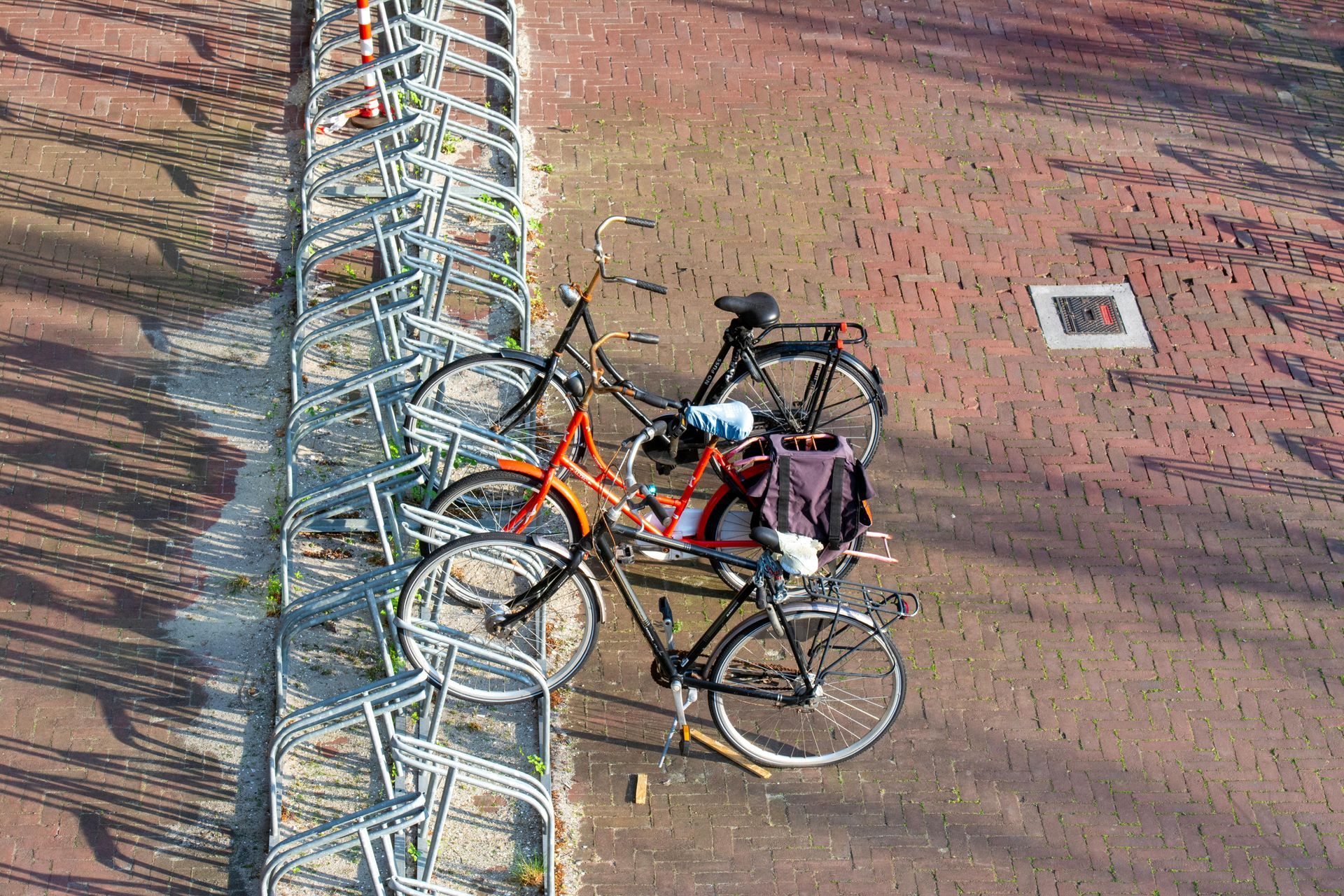
Professional bike rack installation helps commercial spaces stay safer, cleaner, and easier to use. Proper placement improves access, protects property, and keeps pedestrian areas clear.
- Better bike security
- Cleaner traffic flow
- Durable outdoor setup
- Safer public access
- Smarter use of space
Poorly placed bike racks create more problems than they solve. They block walkways, crowd entrances, damage landscaping, and leave cyclists unsure where to park. In offices, schools, commercial buildings, and public spaces, these issues can quickly turn into safety risks, complaints, and wasted space. Professional installation solves this with the right layout, spacing, anchoring, and materials. Treadmills Installers helps facilities create bike parking areas that look organized, hold up over time, and support daily use without turning the property into a metal jungle.
Why Commercial Bike Rack Installation Requires Proper Planning
Commercial bike rack installation needs planning because bike parking affects safety, access, traffic flow, and long-term usability. A rack should not just fit the space. It should support real use, hold bikes securely, and avoid creating obstacles for pedestrians, vehicles, maintenance crews, and building users.
Good planning starts with how people move through the property. An office may need racks near employee entrances. A school may need a larger student-friendly bike zone away from car pickup lanes. A municipal space may need visible racks near sidewalks without blocking accessible routes.
Treadmills Installers provides bike rack installation services for commercial properties that focus on both function and appearance. The goal is simple: install racks where people will actually use them, not where they only look good on a site plan.
Key planning factors include:
- Number of daily users
- Entry points and walking paths
- Surface type and anchoring needs
- Visibility and security
- Weather exposure
- Room for future expansion
Which Locations Work Best for Bike Rack Placement
The best bike rack locations are visible, convenient, level, and close to the main destination without blocking doors, ramps, sidewalks, or emergency routes. A bike rack that is hidden, too far away, or squeezed into a tight corner usually gets ignored.
Near the entrance, but not in the way
For offices and commercial buildings, racks often work best near employee or visitor entrances. However, they should sit outside the main pedestrian path. A few feet of separation can prevent crowding during peak hours.
Visible areas improve security
Bike parking should be easy to see from windows, security cameras, or active walkways. Hidden racks invite misuse and reduce confidence.
Schools need safer flow
Schools should avoid placing racks near bus lanes, pickup zones, or loading areas. Student bike parking works better in a controlled zone with enough space for groups to arrive at the same time.
For facilities investing in better employee or community amenities, bike parking fits into the same bigger trend as active-use upgrades like
business-friendly recreational facility improvements.
How Much Space and Clearance Do Bike Racks Need
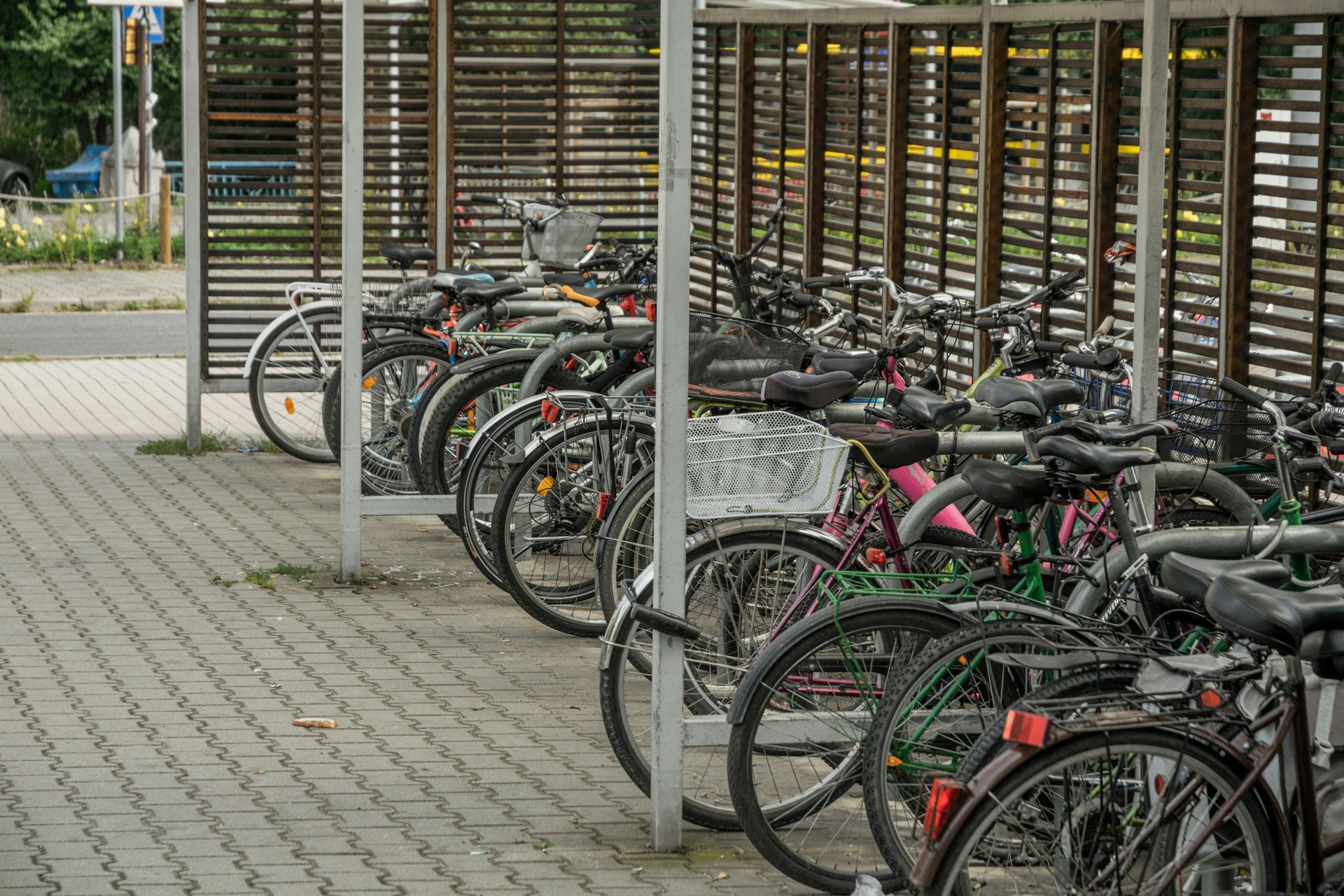
Bike racks need enough clearance for parked bikes, handlebars, walking space, and safe access from both sides. Most commercial spaces should plan beyond the rack’s footprint because the actual occupied area includes the bike, the rider, and nearby pedestrian movement.
A rack may look compact on paper, but bikes extend outward once parked. Layout references like common bicycle rack dimensions and clearance examples can help show why spacing matters before installation begins.
Practical clearance planning should consider:
- Space between racks
- Distance from walls or curbs
- Handlebar width
- Aisle space for users
- Pedestrian routes
- Snow, cleaning, or landscape access
For tight areas, vertical systems, wall-mounted options, or nearby support storage may help. In some cases, garage utility hooks and bike hanger systems can support private storage areas, maintenance rooms, or staff-only bike zones.
What Types of Bike Racks Are Used in Commercial Spaces
Commercial spaces commonly use U-racks, wave racks, grid racks, vertical racks, and heavy-duty surface-mounted racks. The best choice depends on the property type, expected use, available space, and whether the rack needs to support high-traffic public access.
U-racks: These are popular because they support the bike frame well and allow secure locking. They work well for offices, campuses, and public sidewalks.
Wave racks: These hold several bikes in a compact row. They can work for lower-risk areas, but layout and spacing must be handled carefully.
Grid and school-style racks: These are common in schools and recreation areas. They can hold many bikes, but they may offer less frame support depending on the model.
Heavy-duty outdoor racks: Commercial facilities often need steel racks that handle weather, repeated use, and impact. Comparing common formats, including popular bike rack and stand options, can help owners understand the range before choosing a system.
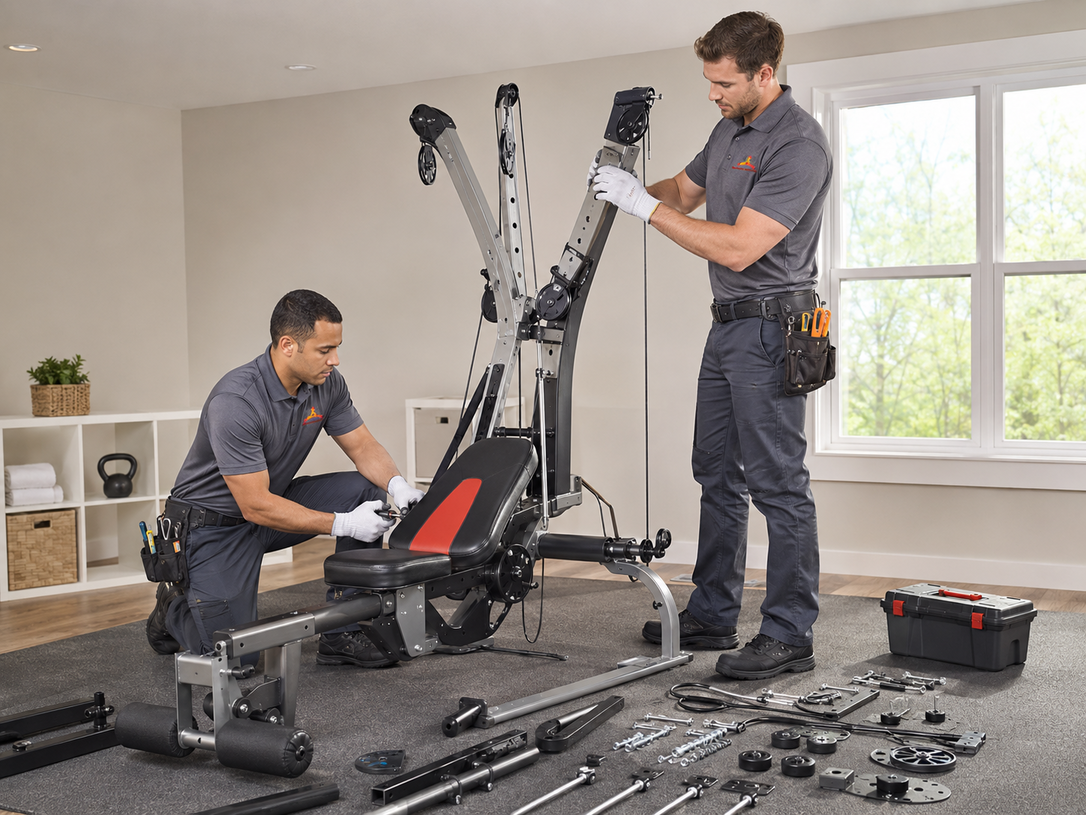
Treadmills Installers also handles broader professional assembly, installation, and repair services, which helps when a project includes multiple site fixtures, not just bike racks.
| Bike Rack Type | Best For | Main Benefit |
|---|---|---|
| U-Rack | Offices | Secure and simple |
| Wave Rack | Schools | Holds more bikes |
| Grid Rack | Public spaces | Good for group parking |
| Wall-Mounted Rack | Tight areas | Saves floor space |
Can Offices, Schools, and Public Areas Follow the Same Setup Standards
Offices, schools, and public areas can share the same basic installation principles, but they should not always use the same layout. Each property has different users, traffic patterns, security needs, and peak usage times.
Offices need convenience
Employees usually want racks near staff entrances, parking lots, or covered areas. Visitor racks should be easy to find from the main entrance.
Schools need capacity and control
Schools often need higher bike capacity, clear supervision, and separation from vehicles. Durability matters because racks get heavy daily use.
Public spaces need visibility
Municipal and public-use areas need clear placement, strong anchoring, and open access without blocking sidewalks or accessible routes. This is similar to other commercial facility installation work, where safety and public flow matter just as much as the equipment itself.
For trust and experience, Treadmills Installers brings a practical installation-first approach backed by its background in professional setup services.
Why Proper Anchoring and Materials Matter
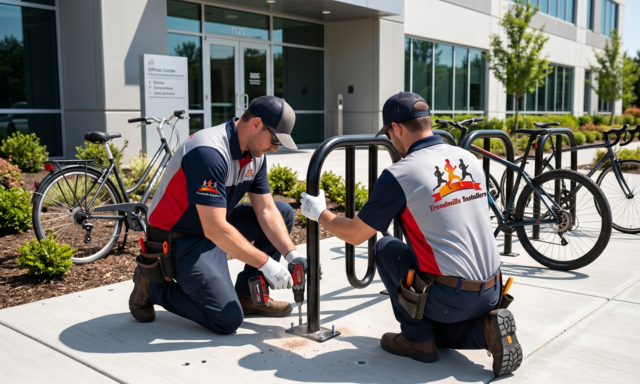
Proper anchoring and material selection keep bike racks stable, secure, and useful for years. A rack that shifts, rusts, bends, or loosens from the surface can become a safety issue and make the property look poorly maintained.
Commercial bike racks may be mounted into concrete, asphalt, pavers, or other surfaces. Each surface needs the right hardware and method. Heavy steel racks also require careful handling during delivery and placement, especially on active job sites.
For larger steel fixtures, site logistics matter. If racks are bulky or difficult to move, facilities may need help similar to professional heavy-item handling services to reduce damage and injury risks.
Durable installations should prioritize:
- Galvanized or powder coated steel
- Weather-resistant hardware
- Correct surface anchors
- Level installation
- Tamper-resistant placement
- Drainage-aware positioning
What Installation Mistakes Reduce Safety and Usability
The biggest bike rack installation mistakes include poor spacing, weak anchoring, bad placement, uneven surfaces, and choosing racks that do not match how people actually park bikes. These mistakes can make the rack unsafe, unattractive, or nearly useless.
Common problems to avoid:
- Racks too close to walls
- Racks blocking doors or sidewalks
- No room for handlebars
- Anchors installed into weak surfaces
- Poor lighting or hidden placement
- Too few racks for peak use
- Cheap materials in high-traffic areas
Before installation, some facilities also need to clear old fixtures, storage, or wall mounted obstacles. Services like wall unit dismantling and removal support can be useful when an indoor or covered area needs prep before the new bike parking setup.
General support work, small repairs, or site prep may also call for commercial handyman services before the rack installation crew arrives.
How Accessibility and Compliance Affect Installation
Accessibility affects bike rack installation because racks must not block accessible routes, ramps, entrances, curb cuts, or required clear floor areas. Public and commercial properties should treat bike parking as part of the site’s movement plan, not as leftover hardware.
The ADA design standards for accessible public spaces are important when planning routes, clearances, and access around public-use areas. While bike racks themselves are not the only concern, their placement can interfere with compliant paths if planned poorly.
Keep routes open
Bike racks should not force people into drive lanes, landscaping, or narrow sidewalk edges.
Avoid entrance congestion
A rack near a door can be convenient, but it should never crowd wheelchair access, delivery routes, or emergency exits.
Think about maintenance
Cleaning crews, snow removal, and landscaping teams also need access. A smart layout saves headaches later.
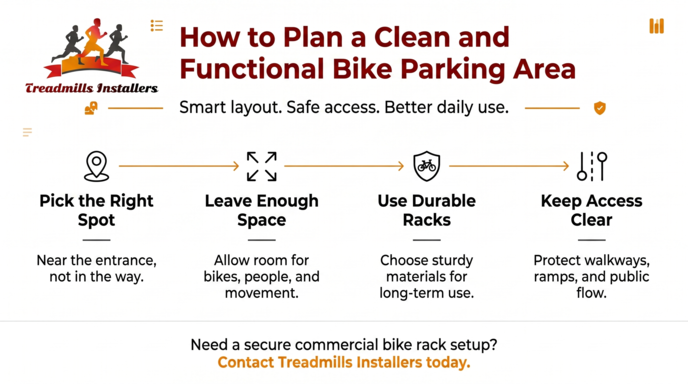
How to Plan a Clean and Functional Bike Parking Area
A clean bike parking area starts with the right location, rack type, surface, spacing, and installation plan. The best setups are easy to find, easy to use, secure enough for daily riders, and neat enough to match the property’s overall appearance.
Start with a site walk through. Count likely users, check traffic flow, identify obstacles, and decide whether the area needs standard racks, covered parking, vertical storage, or a mix. If the project includes multiple fixtures, shelving, or office upgrades, planning should account for those details too.
Treadmills Installers makes it easier to submit project details through its installation request form, especially when facilities need a quote based on location, surface type, quantity, and site conditions.
For broader commercial interiors, bike parking may connect with organized storage, workspace upgrades, or back of house improvements.
Get a Reliable and Secure Bike Rack Installation
A secure bike rack setup should be durable, safe, accessible, and built for daily use. Treadmills Installers can help offices, schools, public spaces, and commercial buildings install bike parking that works long term. For related facility upgrades, teams may also consider commercial shelving installation or modern office furniture setup. To plan your project, contact Treadmills Installers today.
Frequently Asked Questions About Bike Rack Installation Services
How are commercial bike racks installed?
Commercial bike racks are usually positioned, measured, leveled, and anchored into concrete, asphalt, or another stable surface. The installer chooses hardware based on the rack type, surface condition, and expected use.
How much space do bike racks need?
Bike racks need enough room for the rack, the parked bikes, handlebar clearance, and walking access. Commercial areas should plan extra space around racks so users can park and remove bikes without blocking paths.
Where is the best place to install bike racks?
The best location is visible, convenient, level, and close to the building or destination. It should not block doors, sidewalks, ramps, loading areas, emergency exits, or accessible routes.
Do bike racks need to meet accessibility rules?
Bike racks should be placed so they do not interfere with accessible routes or public access areas. For commercial and public spaces, placement matters because a poorly installed rack can create barriers.
How long does bike rack installation take?
Installation time depends on the number of racks, surface type, anchoring method, and site conditions. A small project may be completed quickly, while larger commercial layouts may need more planning and preparation.
What type of bike rack is best for commercial spaces?
U-racks and heavy-duty steel racks are common choices because they support secure locking and frequent use. Schools, offices, and public areas may need different rack styles based on capacity, traffic, and available space.
How much does commercial bike rack installation cost?
Cost depends on the rack type, quantity, materials, surface condition, and installation complexity. The most accurate way to price the project is to review the site details, layout needs, and anchoring requirements.