What to Know Before Installing Life Fitness Equipment in Commercial Spaces
Putting Life Fitness equipment into a commercial space takes more than unboxing and plugging in. You have to think through layout, clearance, flooring, power, machine weight, foot traffic, safety gaps, delivery access, and the actual assembly work. What the right plan looks like really depends on the space, whether that's a busy gym, an apartment fitness room, a hotel, an office wellness area, a school, a clinic, or a rec center.
- Layout drives how members move through the room and how safe it feels
- Flooring, clearance, and power should be sorted out well before delivery
- Treadmills, bikes, benches, and strength machines each have their own quirks
- Bad placement leads to blocked walkways, wobbly machines, and rework
- Bringing in pros keeps the equipment safer and steadier over time
Commercial Life Fitness Installation Starts With Smart Space Planning
Life Fitness gear can completely change how a commercial space feels, but the install side gets messy quickly. You're dealing with heavy machines, tight hallways, limited outlets, doorways that barely clear the boxes, and layouts that have to work for real people moving around all day. When teams rush this part, you end up with treadmills shoved against walls, racks blocking exits, scuffed floors, and machines that wobble on uneven spots.
That's where a professional commercial fitness equipment install team earns its keep. Gyms, hotels, apartment buildings, offices, schools, clinics, and rec centers all benefit from someone who plans the room before the truck shows up.
Equipment Layout Should Be Planned Before Delivery Day
The layout work should happen well before the delivery truck pulls up, not while installers are standing in the parking lot with a clipboard. Walking through the room with the equipment list, measuring doorways, checking outlets, and tracing the traffic flow saves hours of guesswork later.
A solid pre-delivery plan usually covers:
- Room measurements, ceiling height, and how wide the doors actually open
- Outlet locations and whether the circuits can handle multiple cardio units
- Floor load ratings, which matter a lot on second floors and rooftops
- Realistic spacing based on how members actually move around
- Delivery routes through halls, elevators, loading docks, and stairwells
If you want a visual reference for spacing, looking at fitness center layouts helps before anything ships. Pulling specs from the Life Fitness catalog early also gives you accurate footprints to map against the room. Bringing in a gym equipment assembly crew at this stage tends to catch things the rest of the team misses.
Treadmills Need Clearance, Power Access, and Stable Placement
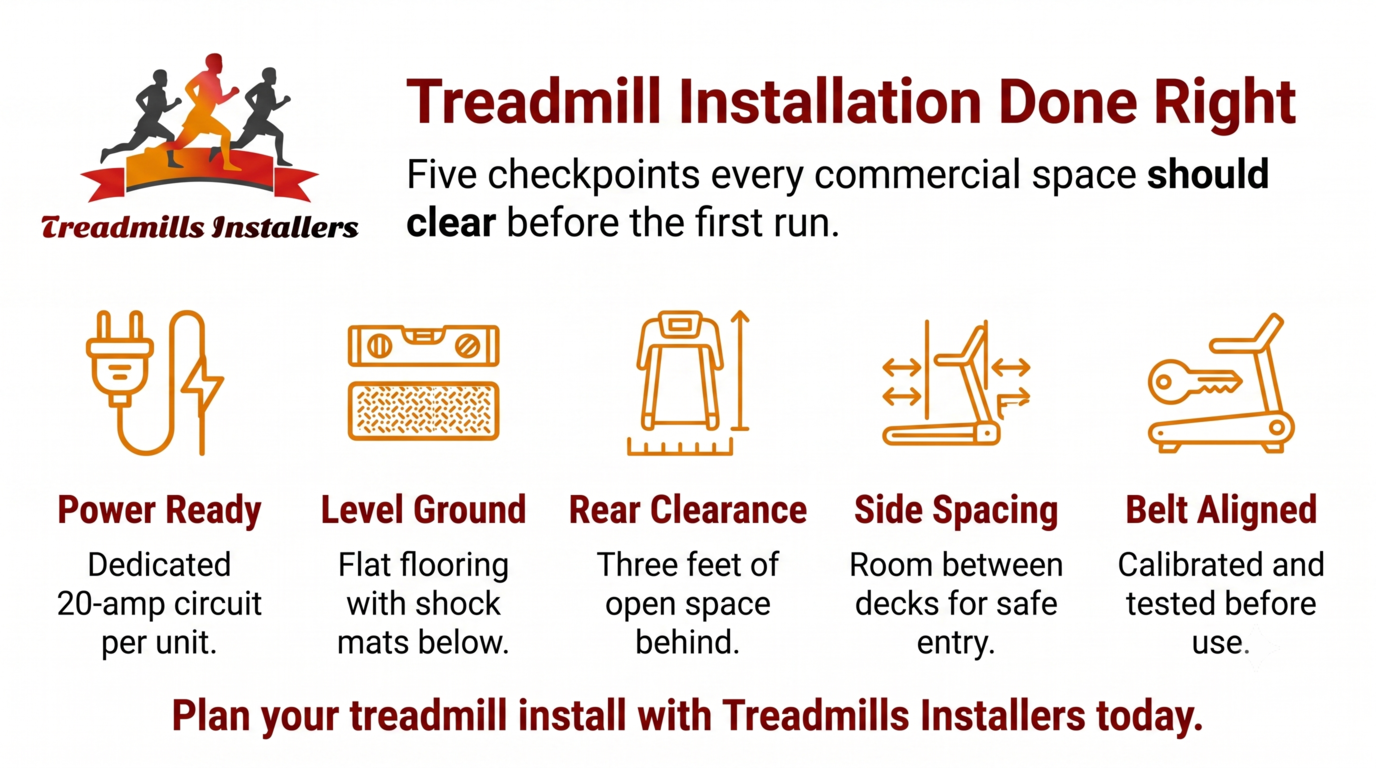
Treadmills are picky. They want dedicated outlets, flat floors, and breathing room behind the deck. Most commercial models need at least three feet of clear space behind them and a bit of side spacing too. Set them on solid, level flooring and the belts track straight, the motors run quieter, and the whole unit feels more stable underfoot.
Here's what usually needs to be sorted before treadmills go in:
- Dedicated 20-amp circuits for each commercial unit
- Level flooring with shock-absorbing mats underneath
- Clear rear space so a slip doesn't turn into a serious fall
- Side gaps between machines so users aren't bumping elbows
- Proper deck leveling so the belt doesn't drift to one side
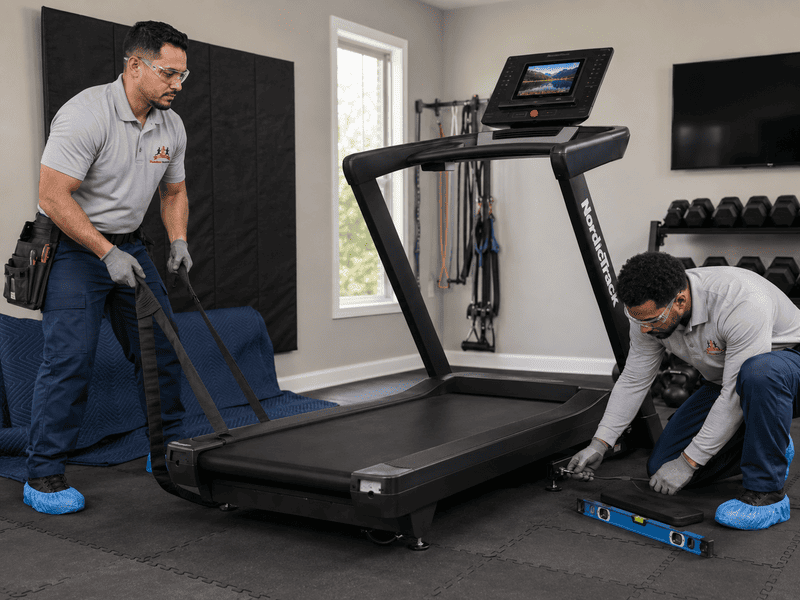
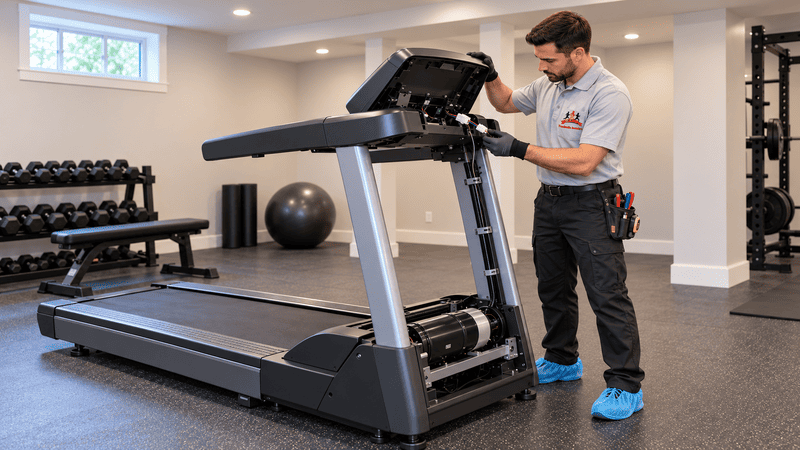
Hotels, apartments, and corporate wellness rooms often line up several treadmills along a wall, which makes commercial treadmill assembly trickier than it looks. Every unit gets calibrated, leveled, and tested before anyone hops on.
Strength Areas Need Strong Assembly and Safe User Flow
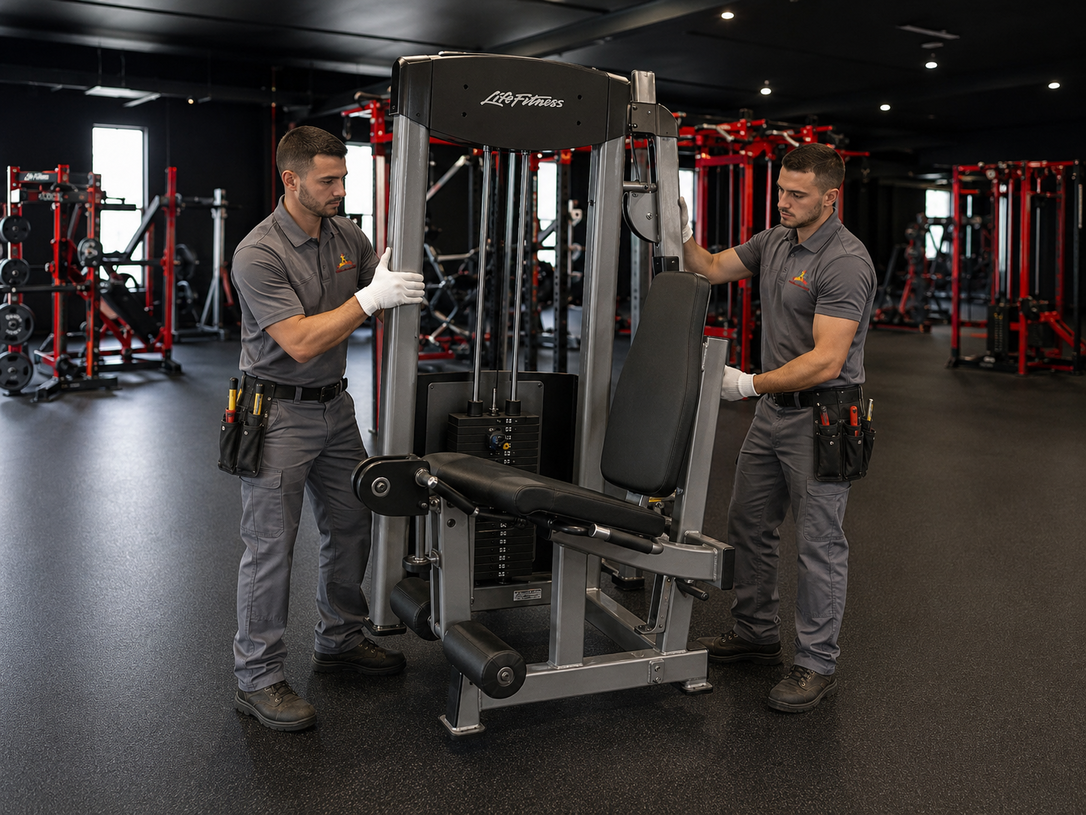
Strength zones hold the heaviest gear in the building, so the assembly has to be tight. Smith machines, cable stacks, racks, and selectorized pieces all need to be bolted down, leveled, and torqued exactly how the manufacturer wants them. Then you have to think about how lifters move around the area without crashing into someone mid-set.
| Equipment Type | Typical Clearance | Key Setup Concern |
|---|---|---|
| Smith Machine | 3 ft on each side | Guide rod alignment |
| Power Rack | 4 ft front and rear | Anchor stability and bolt torque |
| Cable Crossover | 6 ft user zone | Pulley calibration and cable tension |
| Selectorized Stack | 2 ft side spacing | Weight pin and shroud alignment |
| Adjustable Bench | 3 ft work zone | Locking mechanism check |
Getting Smith machine setup right and handling weight bench installation carefully keeps users safe when the weight gets heavy. Schools, rec centers, and private studios usually lean on experienced commercial fitness assembly crews who know the spec sheets cold.
Exercise Bikes and Benches Should Support Daily Commercial Use
Bikes and benches take a beating in commercial settings. They get used every day, often back to back, so the install has to set them up for that kind of life. Bikes want level floors, secure pedals, and consoles that actually work. Benches need solid bases, snug bolts, and enough room around the rack so nobody is stepping over plates.
A clean exercise bike assembly means leveling the feet, testing the resistance, and making sure the console reads right before staff start running classes. Apartment buildings and hotel fitness rooms tend to group bikes near windows or TVs, so spacing matters even more there, otherwise riders are knocking handlebars during a workout.
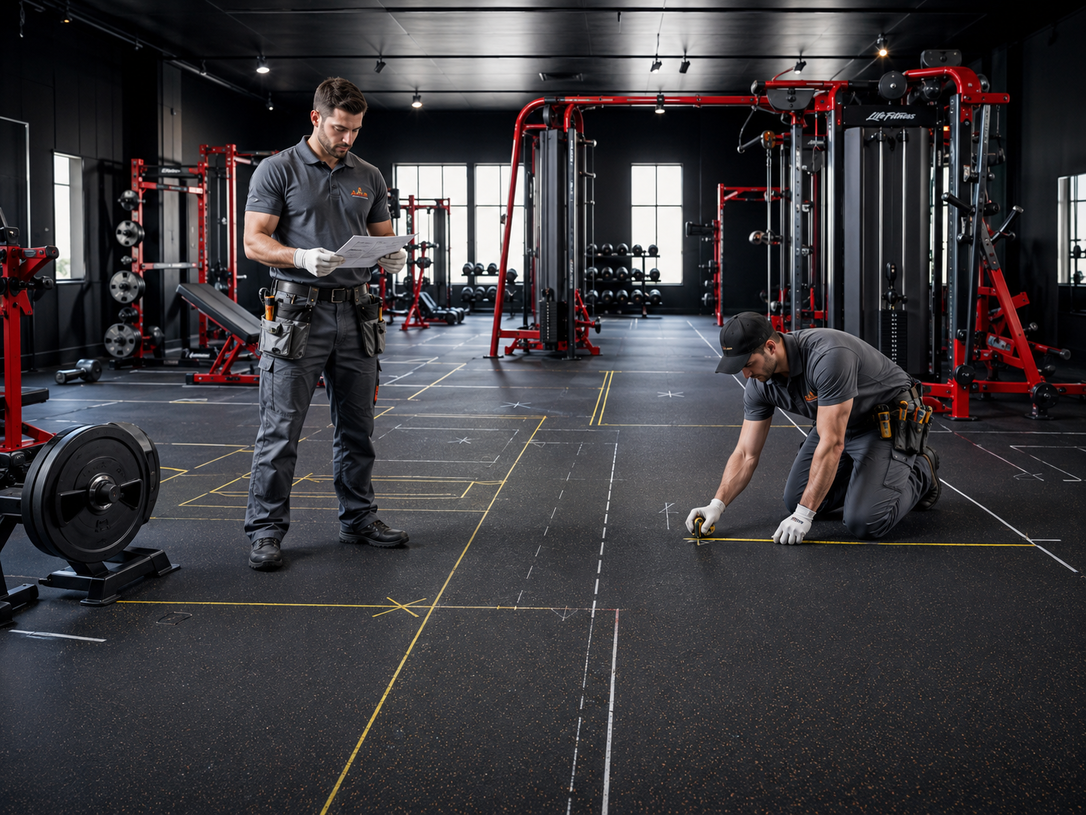
Flooring, Walls, and Walkways Need Protection During Installation
Installers haul big, heavy boxes through finished spaces, and that's where finishes get ruined if you're not careful. Hardwood floors pick up scratches, drywall takes dents near corners, and elevator panels get scuffed up if nothing is covering them.
Protection that should be on-site from day one:
- Floor runners down hallways and through entry points
- Corner guards on every tight turn and doorway
- Heavy-duty dollies and sliders rated for the loads
- Wall padding around strength training areas
- Rubber mats under cardio gear to soak up vibration
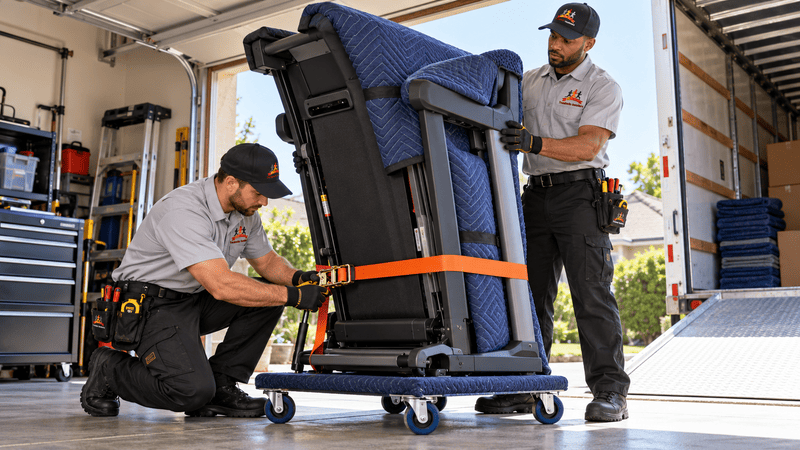
Crews doing gym equipment moving usually show up with all of this already loaded. Property managers running bigger installs also tend to bring in a moving hauling service team to keep the shared spaces clean while the work happens.
What Installation Planning Really Means
Life Fitness equipment installation planning is the part where someone reviews the equipment list, the room size, the floor surface, the delivery path, the clearance gaps, the power access, the user traffic, and the final placement before any commercial fitness machine gets assembled. It's basically layout design plus logistics, mapped out so the room works the moment it opens.
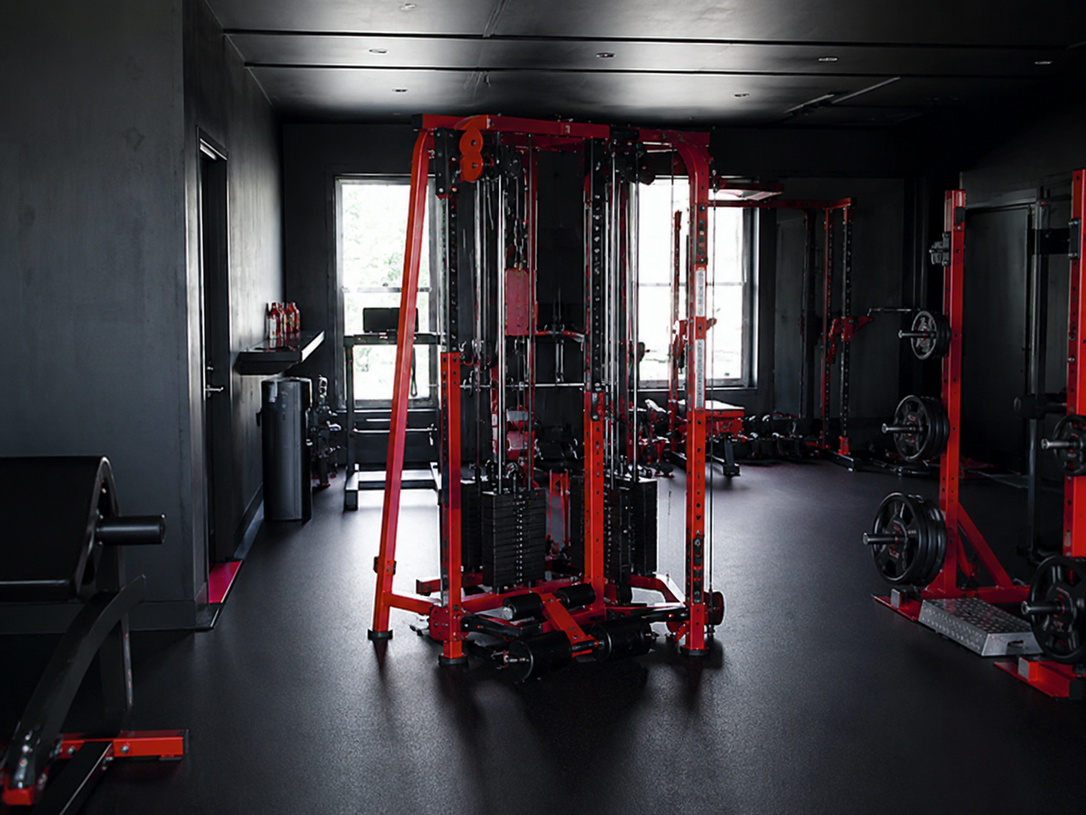
Incorrect Equipment Placement Can Create Safety and Workflow Problems
Bad placement is more than an eyesore. A treadmill too close to a wall is a real fall hazard. A cable machine jammed against a rack blocks access. Bikes lined up too tight have riders climbing over each other to dismount.
Mistakes that come up over and over:
- Cardio machines blocking emergency exits
- Strength stations stuffed into corners with no lifting room
- Mirrors placed where a dropped plate could shatter the glass
- Outlets buried behind machines once everything is in place
- Walkways pinched down below ADA-friendly widths
Fixing any of this later usually means calling in equipment relocation support, which roughly doubles your labor cost.
Commercial Facilities Need Installation Planning by Space Type
Every type of facility comes with its own headaches. Apartment fitness rooms are tight and share walls with units that don't want to hear a treadmill at 6 a.m. Hotel gyms care about quiet operation and clean sight lines for guests. Corporate wellness rooms juggle variety with limited hours and limited square footage. Schools and rec centers need layouts that survive constant traffic. Physical therapy clinics want open floor space so therapists can guide movement.
Multi-family residential gyms and amenity spaces need acoustic planning too, since cardio noise carries straight through ceilings. Functional training rooms work best with open zones and minimal fixed gear in the middle. A good commercial equipment assembly plan flexes to each of these settings instead of forcing the same layout into every room.
Professional Installers Help Keep Fitness Projects on Schedule
Professional installers move faster and make fewer mistakes than a general handyman crew. They show up with the tools, the hardware, the protection mats, and the torque wrenches already on the truck. They follow the manufacturer specs, calibrate the consoles, and run every machine through a quick test before leaving. That kind of care keeps openings on schedule and avoids warranty headaches later.
These same teams often handle adjacent work like office equipment moving, home office setup, and gymnasium hoop installation in mixed-use buildings. Running all of it through one crew keeps coordination simple on bigger amenity projects.
Start Your Commercial Life Fitness Equipment Installation Project
Treadmills Installers handles the whole commercial fitness install, from layout planning and safe placement to treadmill assembly, Smith machine setup, weight bench installation, exercise bike assembly, floor protection, and clearance checks. Gyms, hotels, apartments, offices, schools, clinics, and rec centers rely on our crews for clean installs that open on time.
Want to schedule gym installation or request treadmill service for an upcoming project? Reach out and let's plan a layout that protects your equipment, your floors, and the people using the space.
Frequently Asked Questions About Life Fitness Equipment Installation
Does Life Fitness equipment need professional installation?
Yes, most commercial Life Fitness machines really do need a pro to install them. The torque specs, console calibration, and safety checks matter, and a trained crew gets those right the first time.
How much space is needed around commercial gym equipment?
Cardio machines usually want about three feet of clearance behind and beside them. Strength gear often needs four to six feet of working room depending on the movement and how busy the space gets.
What should be planned before installing treadmills?
Lock in the outlet location, circuit capacity, floor surface, rear clearance, and side spacing before delivery day. Handling these details early keeps you from rewiring or shuffling machines after they arrive.
Can Life Fitness equipment be installed in apartment gyms?
Yes, apartment fitness rooms run Life Fitness cardio and strength gear all the time. The install just needs to account for floor load, shared walls, elevator access, and how residents move through the space.
Why does commercial gym layout matter?
Layout shapes safety, comfort, and traffic flow during peak hours. A thoughtful layout keeps walkways open, separates cardio from strength, and stops the room from feeling cramped.
What happens if fitness equipment is placed incorrectly?
You end up with fall hazards, blocked exits, wobbly machines, and frustrated members. Fixing it usually means tearing things down, moving them, and rebuilding, all on top of the original labor bill.
Can strength machines and cardio equipment be installed together?
Yes, almost every commercial project mixes both. Installers just keep clear walkways between the zones so lifters and cardio users aren't getting in each other's way.
When should a facility contact commercial fitness equipment installers?
Reach out during the planning stage, before any equipment ships. Looping in the install team early makes it easy to review layouts, delivery routes, and electrical needs while changes are still cheap to make.

Why Schools Trust Professional Classroom Furniture Installation Services to Put Student Safety First