Home Gym Setup Guide: Choosing Equipment, Professional Installation, and Safe Relocation
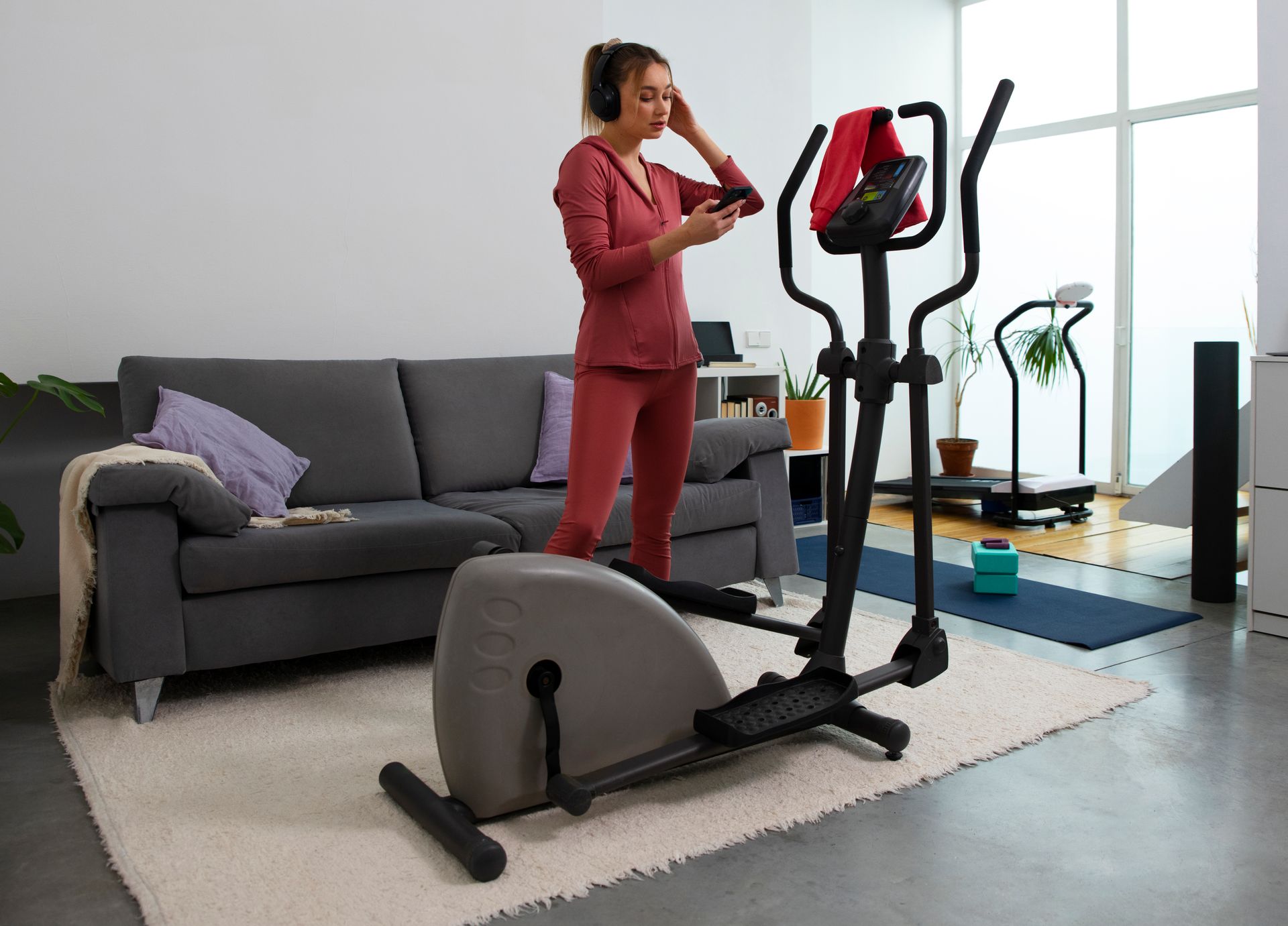
More homeowners are converting spare rooms, garages, and basements into personal training spaces. The appeal is clear: no commute, no membership fees, and the freedom to train on your own schedule. Whether you are building a basement gym in Bethesda, converting a garage in Arlington, or creating a dedicated workout room in Baltimore, the demand for home fitness spaces continues to grow across the region.
Building a home gym involves far more than selecting a treadmill and clearing some floor space. Homeowners face a consistent set of real challenges before the first machine arrives:
- Space planning: Room dimensions, equipment clearances, and traffic flow must be mapped before purchasing any large fitness machine.
- Heavy equipment installation: Treadmills, ellipticals, and multi-station gyms require tools, technique, and physical preparation that most homeowners do not have on hand.
- Electrical and floor support: Powered cardio machines need properly rated circuits, and some floors require reinforcement before supporting heavy equipment.
- Relocating large machines: Moving a treadmill or strength system to a new room or new home involves disassembly, careful transport, and professional reassembly.
- Multi-component assembly: Modern fitness machines include motors, cables, belt systems, consoles, and calibration steps that must be executed correctly before the machine is safe to use.
That is where Treadmills Installers steps in. As a professional fitness equipment installation team serving homeowners throughout Maryland, Washington DC, Delaware, Pennsylvania, and Northern Virginia, the team handles setup, relocation, and maintenance with accuracy, speed, and care.
How Do You Plan the Perfect Home Gym Space?
Successful home gym planning requires mapping out room dimensions, flooring needs, electrical requirements, and airflow before any equipment arrives. Getting these details right early prevents costly adjustments during installation and creates a safer long-term training environment.
Each planning element plays a direct role in how well the finished gym functions:
- Room dimensions: Treadmills require at least three feet of clearance behind the belt, and multi-station strength machines need four to six feet of open space on multiple sides. Homeowners setting up basement gyms in Rockville or garage gyms in Silver Spring benefit from sketching a scaled floor plan before purchasing equipment.
- Flooring: Rubber or foam interlocking tiles protect subfloors from impact, reduce noise transfer between levels, and provide stable footing beneath heavy machines. Concrete garage floors in particular need cushioned underlayment under motorized cardio equipment.
- Electrical outlets: Treadmills, ellipticals, and stair climbers typically require a dedicated 15-amp or 20-amp circuit. Consulting a licensed electrician before installation prevents overloaded breakers and potential machine damage.
- Ventilation and lighting: Enclosed spaces heat up quickly during workouts, causing motors to overheat and training sessions to become uncomfortable. Proper lighting reduces eye strain, and good airflow supports both equipment performance and user comfort.
- Noise reduction: Rubber door seals, floor underlayment, and wall insulation help contain sound in townhomes and multi-unit buildings where noise transfer is a concern.

What Equipment Is Commonly Installed in Home Gyms?
Most home gym installations combine at least one cardio machine with a strength training option. The specific mix depends on available floor space, fitness goals, and budget, but several machine types appear consistently across residential setups.
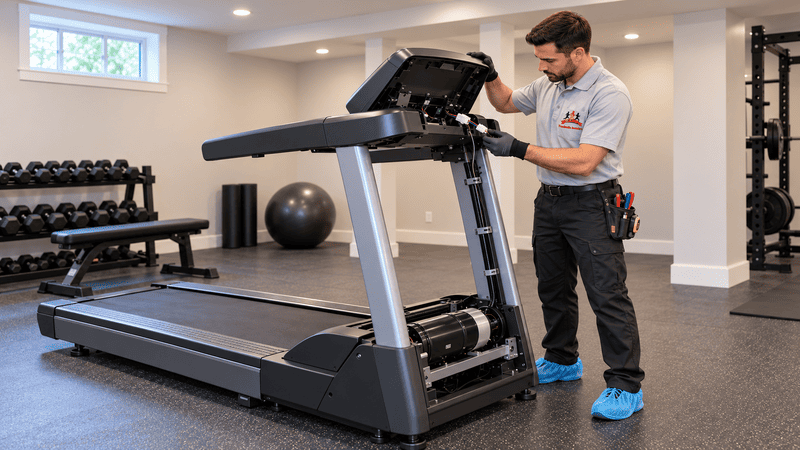
- Treadmills: The most popular home cardio choice. Professional treadmill setup covers belt tensioning, deck leveling, and safety key testing before the first use.
- Exercise bikes: A compact, joint-friendly cardio option well-suited to smaller spaces. Professional bike assembly includes seat and handlebar alignment, resistance calibration, and console activation.
- Ellipticals: Full-body low-impact machines that require precise frame alignment. Poor elliptical setup results in uneven stride patterns, excess noise, and accelerated mechanical wear.
- Stair climbers: Among the heaviest cardio machines, requiring careful positioning on reinforced flooring. Professional climber assembly ensures drive systems are properly engaged before use.
- Weight benches and strength systems: From flat benches to fully adjustable multi-press configurations, correct bench installation ensures load capacity requirements are met and joint angles are calibrated for safe training.
Which Fitness Equipment Brands Are Popular for Home Gyms?
Several major brands consistently appear in residential installations, ranging from accessible entry-level options to professional-grade systems built for serious training environments. Understanding these options helps homeowners make informed decisions before calling in a professional assembly team.
- NordicTrack treadmills: Among the most widely installed home cardio machines, offering interactive display features and incline variety at accessible price points.
- Bowflex equipment: Adaptable resistance systems in compact designs that suit smaller home gym configurations well.
- Technogym strength: Premium strength machines that deliver performance and build quality consistent with commercial training facilities.
- Life Fitness: A trusted residential choice for homeowners seeking commercial-grade durability combined with ergonomic design.
- ProForm cardio: Pairs guided training technology with accessible pricing, making it a frequent first purchase for new home gym owners.
- Precor home: Favored by personal trainers building studio-level spaces due to its precision engineering and long service life.
Each of these brands builds machines with specific assembly and calibration requirements. Professional installation ensures every component is configured correctly from day one, protecting both the machine and its warranty coverage.
Why Is Professional Installation Important for Fitness Equipment?
Professional installation protects your equipment investment, preserves warranty coverage, and reduces injury risk during both setup and daily use. Trained installers complete critical calibration steps that most DIY assemblies skip entirely.
The reasons homeowners across Maryland and Northern Virginia consistently choose professional installation over self-assembly come down to four core factors:
- Heavy components: A motorized treadmill weighs between 200 and 350 pounds. Moving and positioning equipment of that size without proper tools and lifting technique risks injury to people and damage to flooring.
- Belt alignment and calibration: A misaligned belt creates friction that strains the motor and wears the deck unevenly. Proper tension and tracking require calibration tools and working knowledge of each brand's specific tolerances.
- Equipment leveling: An unlevel machine places uneven stress on frames, bearings, and users' joints during every session. Professional installers use precision tools to achieve stable placement on any residential floor surface.
- Warranty protection: Many manufacturers require documented professional assembly to honor warranty claims. The commercial assembly services offered by Treadmills Installers satisfy these requirements for both residential and commercial-grade equipment.

When Do You Need Fitness Equipment Disassembly for Relocation?
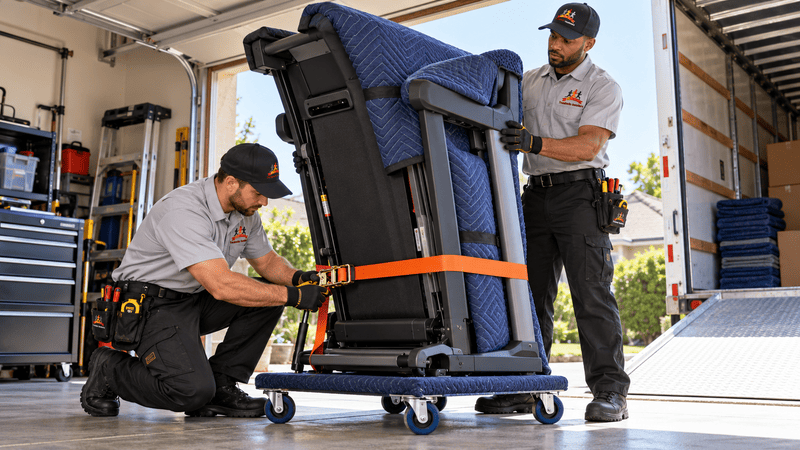
Any time a large fitness machine needs to move to a new room, home, or city, professional disassembly protects both the equipment and the building structure during transport. Many treadmills and multi-station gyms cannot exit through standard doorways or navigate residential staircases without being systematically broken down first.
Homeowners relocating from Delaware or Pennsylvania to Maryland or Northern Virginia often discover this challenge on moving day. Professional teams manage the entire process from dismantling in the correct sequence to packaging components carefully and reassembling everything at the destination.
Townhouse and apartment moves in the region present additional access obstacles. Narrow hallways, tight turns, and elevator weight restrictions require machines to be disassembled in a planned sequence to prevent damage to both the equipment and the building.
Understanding the full scope of equipment relocation for gym machines in Maryland and DC helps homeowners plan the process well in advance. For those who also need a coordinated hauling service alongside gym equipment moves, working with experienced local teams keeps the entire project efficient and organized.
What Fitness Equipment Maintenance and Repairs Are Common?
Routine maintenance prevents breakdowns, extends equipment lifespan, and keeps machines safe for daily use. Most home gym owners underestimate how frequently professional attention is needed to keep fitness equipment performing reliably.
The most common maintenance and repair needs across residential home gyms include:
- Belt alignment: Treadmill belts drift gradually over time due to uneven use and worn rollers. Periodic realignment restores smooth operation and prevents unnecessary motor strain.
- Motor calibration: Speed inconsistencies and startup hesitation are early warning signs that calibration is overdue, typically every one to two years for motorized cardio machines.
- Cable replacement: Cable systems on weight machines stretch and fray with regular use. A cable that fails under load mid-exercise creates a serious injury risk and should be replaced before that point.
- Resistance system inspection: Brake components, magnets, and flywheel bearings on ellipticals and exercise bikes require periodic inspection and servicing to maintain smooth, consistent resistance.
- Deck lubrication: Most treadmill manufacturers recommend belt and deck lubrication every three to six months. This simple task is one of the most frequently skipped by home gym owners.
Reviewing installation costs alongside ongoing service options helps homeowners budget for both initial assembly and long-term upkeep. For specialty repairs covering a wider range of fitness and recreational equipment, experienced technicians address mechanical issues that general repair services are not equipped to handle.

Is a Garage or Basement Home Gym Better?
Garage and basement gyms each offer real advantages, and the better choice depends on how you train, what equipment you plan to install, and the layout of your home. Both can be highly functional with the right planning and professional installation.
Garage gyms offer:
- Ceiling height: Most attached garages offer clearance well above the minimum requirement for overhead movements and tall cardio machines.
- Equipment access: Wide garage doors make delivery and installation of large equipment straightforward without stairwell navigation.
- Ventilation: Garage spaces are easier to ventilate naturally, reducing heat buildup during intense sessions.
Homeowners in Alexandria and Wilmington with attached garages often find this the most practical configuration for strength-focused training environments.
Basement gyms offer:
- Climate control: Basements stay naturally cooler in summer and are easier to insulate for comfortable year-round training.
- Noise level: Below-grade spaces absorb sound better than above-grade rooms, making basement gyms quieter for both the user and other household members.
- Privacy: A below-grade dedicated training space offers a more focused and private workout environment.
The primary challenge for basement setups is navigating staircases and lower ceilings during equipment delivery, which is exactly where professional installation teams provide the most direct value.
Why Do Homeowners Hire Professional Fitness Equipment Installers?
Professional installation consistently delivers better results than DIY assembly in less time and with fewer risks. Most professional teams complete a full home gym setup in a fraction of the time an untrained homeowner would need, using brand-specific knowledge and the correct tools throughout.
The core benefits homeowners gain from professional installation include:
- Time efficiency: A full home gym assembly that might take an untrained homeowner an entire weekend is typically completed by a professional team within a few hours.
- Calibration accuracy: Professionals know the exact tension specifications, torque settings, and alignment tolerances required for each machine they work with regularly.
- Safer installation: Correct handling of heavy frames and components reduces injury risk during setup and ensures machines are stable and secure before anyone uses them.
- Reduced damage risk: Improperly handled equipment causes floor damage, cosmetic scratches, and internal mechanical issues that reduce lifespan and performance from day one.
The growing market for residential installation specialists reflects how seriously homeowners take proper equipment setup. Services such as professional installers and dedicated gym services demonstrate consistent demand across the region. Broader home service providers including furniture assembly and home assembly teams further reflect how homeowners value professional precision across all installation types.
How Professional Installation Supports Complete Home Setup
Home gym installation is often one part of a broader home improvement or conversion project. Families transforming garages or basements into multi-use spaces frequently schedule several installation services in a single visit to reduce disruption and downtime.
Understanding timelines across different project types helps with coordination.
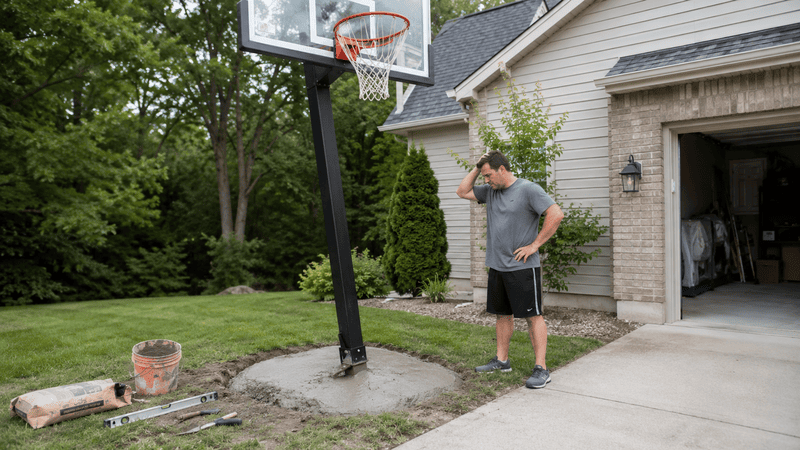
Reviewing hoop installation timelines for outdoor recreational additions, for example, helps families plan professional visits efficiently alongside gym equipment setup.
Treadmills Installers coordinates with homeowners across Maryland, Washington DC, Delaware, Pennsylvania, and Northern Virginia to complete home gym projects on schedule and without unnecessary delays.
Ready to Set Up or Relocate Your Home Gym?
Treadmills Installers is the professional fitness equipment installation team trusted by homeowners, personal trainers, and families throughout Maryland, Washington DC, Delaware, Pennsylvania, and Northern Virginia. From new basement gym setups in Bethesda and Philadelphia to equipment relocation projects in Wilmington and Silver Spring, the team delivers precise, safe, and efficient installation on every job.
Request a quote for home gym setup, professional equipment assembly, or fitness machine relocation today. Visit Treadmills Installers to confirm service coverage in your area and schedule your installation appointment.
Frequently Asked Questions About Home Gym Equipment Installation
How long does treadmill assembly take?
Most professional treadmill assembly jobs take between one and two hours depending on the model and any required floor preparation. Experienced installers familiar with specific brands typically complete the process faster and more accurately than first-time DIY attempts.
Can professionals install multiple home gym machines in one visit?
Yes, professional installation teams can assemble and calibrate multiple machines during a single scheduled appointment. Booking a multi-machine session saves time and ensures all equipment is properly set up and ready to use at the same time.
Do treadmill installers relocate equipment to another room?
Yes, same-home relocation is a standard service that often requires partial disassembly to navigate doorways or staircases. The installer reassembles and recalibrates the machine in its new location before the job is considered complete.
How much space do you need for a home gym?
A basic setup with one cardio machine and a weight bench requires a minimum of 100 to 150 square feet. Larger multi-machine configurations benefit from 200 to 300 square feet with ceiling clearance of at least eight feet.
Can installers disassemble equipment before a home move?
Yes, disassembly for relocation is a standard part of professional fitness equipment services. Machines are broken down in a planned sequence, protected for transport, and fully reassembled and tested at the new location.
Do professional installers bring their own tools?
Professional fitness equipment installation teams arrive fully equipped with all tools needed for assembly, leveling, and calibration. Homeowners are not required to supply any tools or additional hardware.
Can heavy fitness machines be installed in basements?
Yes, professional teams regularly install heavy treadmills, ellipticals, and strength machines in basement gym spaces. Pre-installation planning for stairwell access and clearance dimensions is a standard part of the service.
Is professional gym equipment assembly worth it?
Professional assembly protects equipment warranties, ensures accurate mechanical calibration, and significantly reduces injury risk during both setup and daily use. For high-value fitness machines, professional installation is a sound and practical investment.
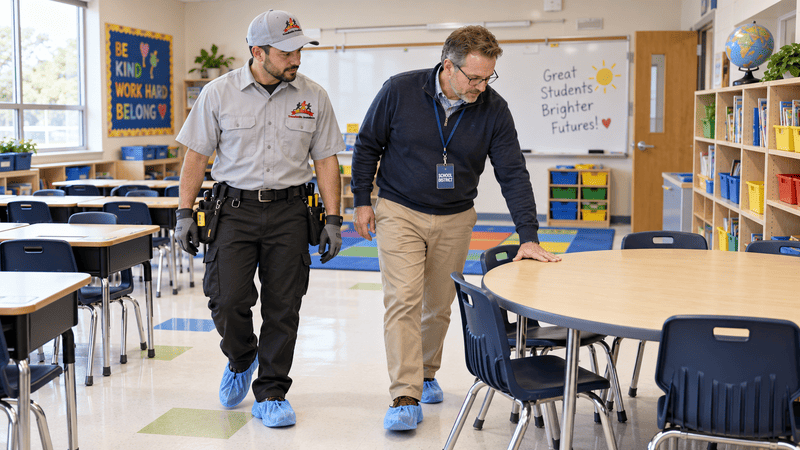
Why Schools Trust Professional Classroom Furniture Installation Services to Put Student Safety First