Fitness Equipment Installation Safety Tips for Home Gyms and Commercial Spaces
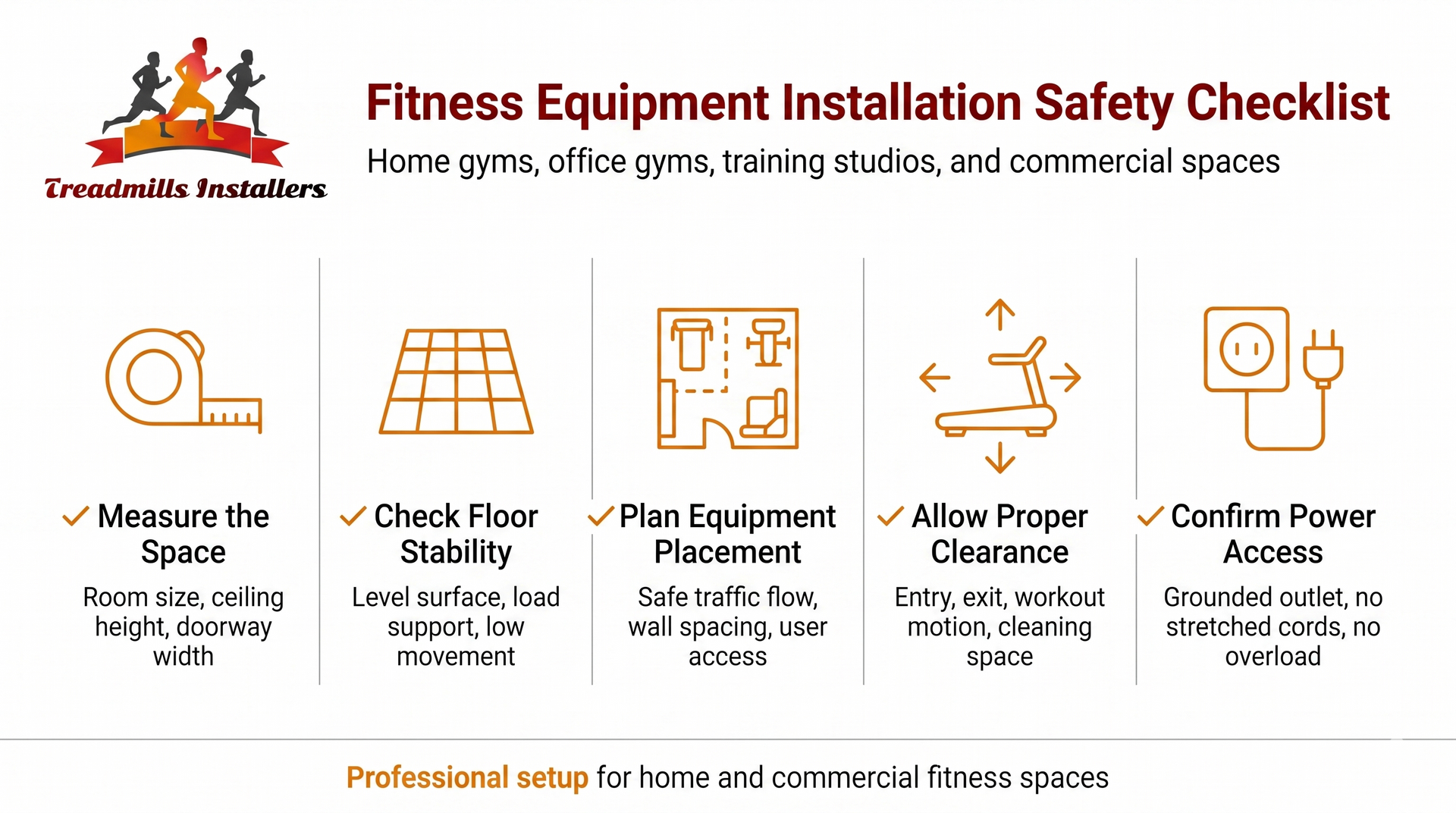
Fitness equipment installation safety starts with the basics: measure the room, confirm the floor can support the load, leave enough clearance, and make sure power and access points are planned before assembly begins. If those steps are skipped, even a premium treadmill, bike, or strength machine can become unstable, wear out faster, or create an unnecessary injury risk.
That risk grows quickly in home gyms, apartment fitness rooms, office wellness spaces, and commercial facilities where heavier machines, tighter layouts, and daily use put more stress on both the equipment and the room. The safest solution is a professional setup that accounts for placement, leveling, hardware, and final testing. That is where Treadmills Installers helps homeowners and businesses get their gym spaces ready to use with confidence.
What Should Be Checked Before Fitness Equipment Installation
Before fitness equipment installation, check floor strength, room dimensions, delivery access, machine weight, power needs, and manufacturer instructions. Safe setup starts before the first bolt is tightened because stairs, weak flooring, missing outlets, and poor measurements can turn a simple assembly into a stability problem, equipment failure, or user injury.
Start With Space and Access
Measure the installation area, nearby doorways, turns, stairwells, and ceiling height. This matters even more for boxed cardio equipment and multi-part strength systems that are awkward to maneuver.
For safer scheduling and fewer surprises, it also helps to gather model details and room notes before booking through the project quote form.
Review the Machine and the Room Together
A room may look large enough, yet still be a poor fit once the machine is fully assembled and in use. Safety expectations also go beyond convenience. Product rules, labeling, and electrical standards all shape how exercise equipment should be handled and used in the U.S., which is why pre-installation planning matters more than many buyers expect, as outlined in this guide to fitness product regulations in the United States.
A good pre-install checklist includes:
- Total machine footprint and user clearance
- Floor type and load support
- Outlet location and cord routing
- Ventilation and temperature conditions
- Delivery path from curb to final room
- Hardware, anchors, and assembly instructions
How Does Room Placement Affect Equipment Safety
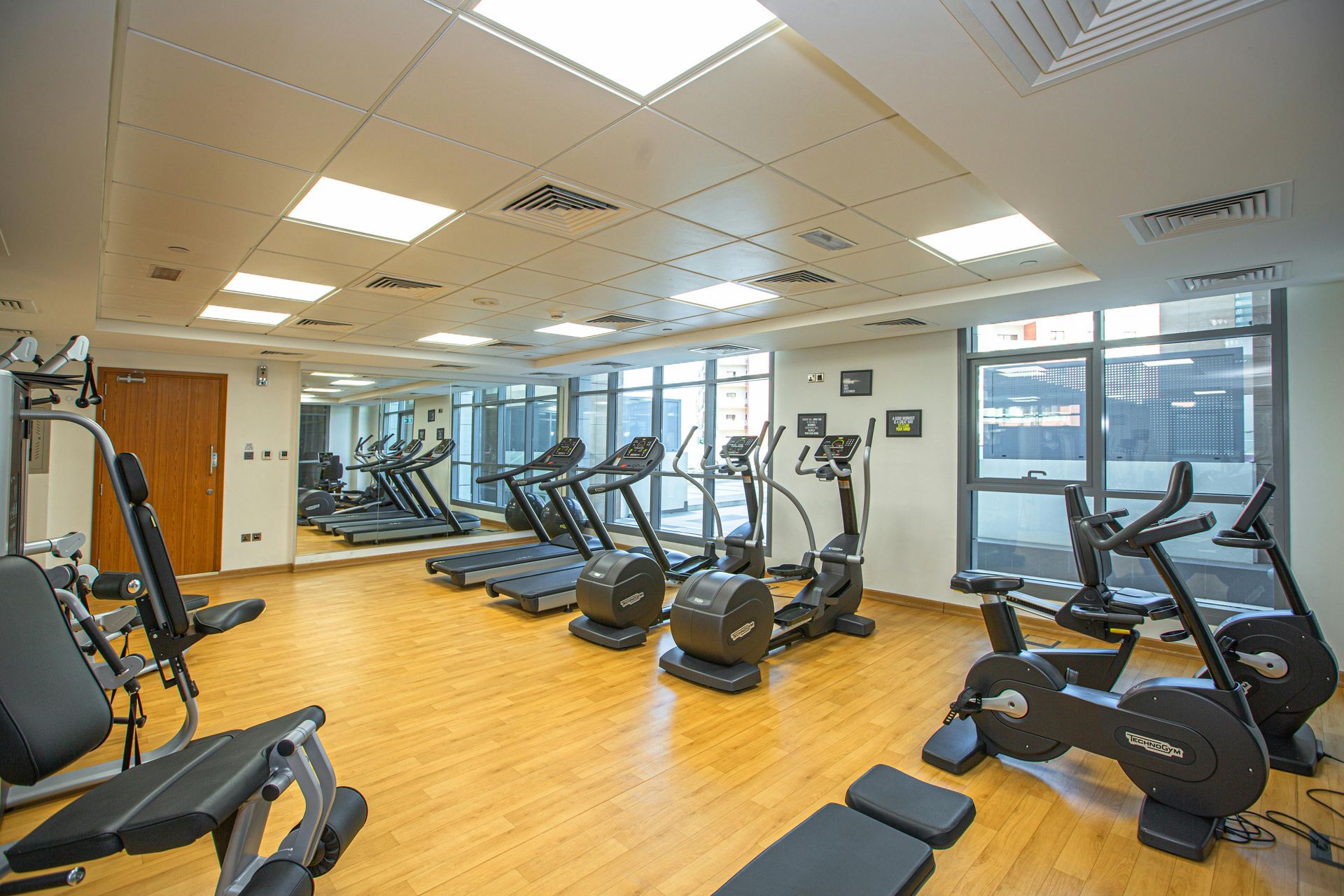
Room placement affects equipment safety because location determines stability, clearance, airflow, noise, and how easily people move around the machine. A safe setup keeps users away from walls, furniture, doors, and traffic paths while also matching the equipment type to the room’s structure, flooring, and intended use.
Home Gym Planning
A spare bedroom, basement, or garage can work well, but each space has limits. When planning a safer workout room at home, the layout should support both the machine and the person using it. That is especially important for a full home gym installation, where cardio, benches, and strength stations must work together instead of competing for space.
Homeowners often buy larger cardio units from brands like NordicTrack or compact all-in-one systems from Bowflex. Even when equipment is marketed for home use, it still needs smart placement around walls, windows, and swing paths.
Whole-room residential projects also benefit from seeing how a complete home gym equipment installation setup is approached, especially when several machines need to be installed in a limited footprint.
Commercial and Shared Spaces
Placement becomes even more important in apartment gyms, training studios, and business wellness rooms. Commercial layouts should separate walking lanes from active workout zones and account for member flow, cleaning access, and supervision. Facilities planning larger rooms or multi-machine layouts can benefit from specialized commercial exercise equipment assembly, while employers considering wellness areas may also explore whether an office gym is a good idea before choosing equipment density and placement.
Which Surfaces Work Best for Stable Equipment Setup
The best surfaces for stable equipment setup are level, solid, and resistant to shifting under repeated impact. Concrete, properly supported wood subfloors, and commercial-grade rubber systems usually perform best, while thick carpet, uneven tile, and soft padding can allow wobble, noise, and premature wear.
Why the Surface Matters
A treadmill or rower that rocks slightly during use can loosen hardware over time. Strength equipment can also shift under load if the floor compresses or slopes.
Weight stations and support pieces such as weight benches need especially steady contact with the floor so users can rack, press, and transfer weight safely.
Best Flooring Choices
For most spaces, the safest setup surface is one that combines structural support with traction and shock absorption.
- Concrete with quality gym mats works well for heavy machines
- Rubber flooring helps reduce vibration and protects finished floors
- Low-pile commercial flooring can work under lighter equipment
- Thick carpet is usually a poor choice for leveling and long-term stability
- Uneven tile can create wobble at multiple contact points
If equipment needs to be carried upstairs, repositioned through tight turns, or placed in a Maryland or DC property with challenging access, proper handling matters just as much as the final floor surface. This guide on moving gym equipment and treadmills safely in Maryland and DC shows why heavy machines should be moved carefully before installation even begins.
Can Incorrect Installation Increase Injury Risk
Incorrect installation can increase injury risk by creating instability, loose connections, misalignment, and unsafe user positioning. When a machine is not leveled, tightened, or calibrated correctly, the danger is not only mechanical failure. It also changes how the body moves, loads, and balances during exercise.
Where DIY Mistakes Happen
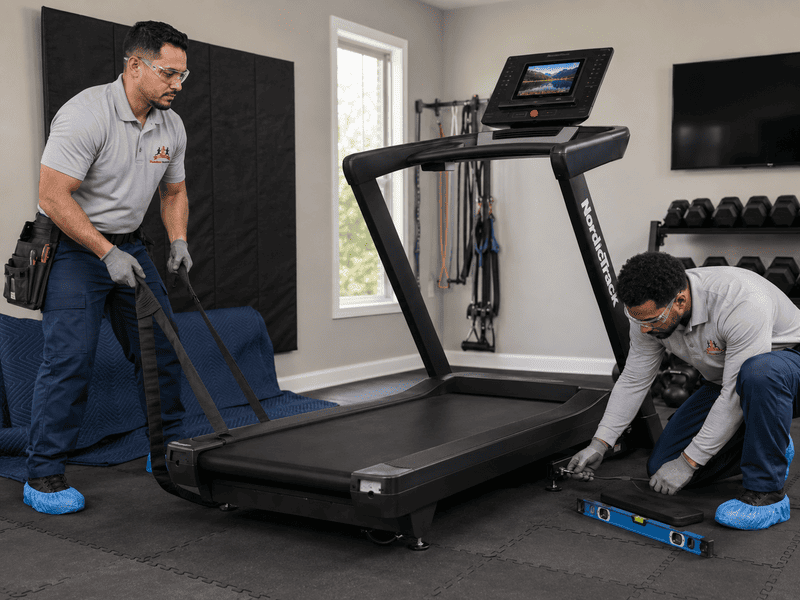
Cardio machines often seem simple until power, belt tracking, console setup, and leveling all come into play. A poorly positioned deck or uneven base can turn a run into a fall risk, which is one reason many buyers choose professional treadmill assembly instead of guessing through a long manual.
Large strength systems raise the stakes further. Multi-part frames, guide rods, pulley paths, and anchor points on smith machines need precise assembly so the machine moves smoothly under load.
Relocation Creates New Risk
A machine that was safe in one room may not be safe after a move if it is reassembled incorrectly or parts go missing. That is why equipment moving between homes, rooms, or renovated spaces often requires careful disassembly and relocation before it can be used again with confidence.
How Much Clearance Does Gym Equipment Really Need
Gym equipment needs enough clearance for safe entry, movement, emergency stop access, and cleaning, not just enough room to fit the footprint. In most cases, users need open space around the sides and rear of a machine, plus a clear path to approach and exit without backing into walls or other equipment.
What Clearance Means
Clearance is the usable open space around a machine, not the machine size itself. A treadmill may fit against a wall on paper, yet still be unsafe once you account for stride, emergency dismount, and nearby traffic.
Compact cardio still needs breathing room. Even a smaller machine installed through professional exercise bike assembly should allow users to mount, pedal, adjust settings, and step off without hitting furniture or another exerciser.
For commercial properties, walkway planning also affects accessibility. Guidance for ADA-compliant fitness and health clubs highlights why routes and clear floor space should not be blocked by equipment placed too close together.
A smart clearance plan should leave room for:
- Safe entry and exit from every machine
- Emergency stop access on powered equipment
- Cleaning and maintenance around the frame
- Wheelchair-friendly or shared-space circulation where needed
- Doors, windows, mirrors, and storage to function normally
What Power and Outlet Issues Should Be Considered
Power and outlet planning should be considered before installation because powered fitness machines need safe, reliable electricity without overloaded circuits, stretched cords, or awkward plug locations. The best setup places equipment near grounded outlets and keeps cords away from walking paths, wheels, and moving parts.
Protect the Circuit
Treadmills, incline trainers, and some interactive cardio machines can draw more power than people expect. Sharing one outlet with heaters, TVs, mini fridges, or office equipment can trip breakers and interrupt workouts.
Avoid Extension Cord Shortcuts
Extension cords and loose power strips may seem convenient, but they create tripping hazards and can expose cords to pinch points under the machine. In home gyms and commercial spaces alike, the safest approach is to install the machine where the outlet already supports the load.
When powered equipment is involved, a final check should confirm:
- Grounded outlet access
- Proper cord reach without tension
- No cord crossing an active walkway
- Stable console power after startup
- No overheating or breaker issues during testing
Common Fitness Equipment Setup Hazards to Avoid
Common fitness equipment setup hazards include uneven floors, blocked exits, loose hardware, pinched cords, cramped spacing, and poor relocation practices. Most accidents do not start with a dramatic machine failure. Instead, they begin with small setup mistakes that build into instability, trips, or unsafe movement patterns during normal use.
Hazards That Show Up Fast
Machines placed too close to walls can trap users. Benches and racks set on uneven surfaces can shift under load. Old or damaged equipment left in the room can also limit safe movement and create avoidable clutter.
Before bringing in new equipment, it may be necessary to remove broken units, outdated frames, or bulky items through a professional moving and hauling service.
Warnings and Signage Matter Too
In shared workout areas, people also need clear safety information. Proper notices, labels, and facility guidance help users understand safe operation and risk awareness. That is why standards covered in ASTM fitness equipment and signage guidance are relevant to more than just manufacturers.
Hazards worth preventing early include:
- Placing machines in front of exits or doors
- Leaving packaging, tools, or bolts on the floor
- Using the wrong hardware or skipping torque checks
- Routing cords where feet or transport wheels cross
- Reusing damaged parts from an older setup
How Safety Checks Help Protect Equipment Performance
Safety checks help protect equipment performance by catching the small issues that cause bigger problems later, such as wobble, friction, loose fasteners, misaligned belts, and uneven contact with the floor. A machine that is safe on day one is also more likely to stay quiet, smooth, and reliable over time.
Performance Starts With Stability
When a frame is level and fully tightened, motors, rollers, cables, and moving joints operate under the conditions they were designed for. That means less strain, less noise, and fewer surprise service calls.
What a Final Check Should Confirm
A strong post-installation safety check usually covers visual inspection, fastener verification, startup testing, and user-position review. In commercial spaces, it should also confirm traffic flow, cleaning access, and safe visibility for staff.
Professional installation matters because it does not stop at assembly. It includes the judgment to test placement, stability, function, and basic user safety before the machine is handed over.
Set Up Your Gym Space With Safety Built In
The safest gym spaces are the ones planned for stability, clearance, power access, and real daily use from the start. Whether you are setting up one treadmill or an entire training room, professional installation helps protect users, reduce equipment strain, and make the room work better for the long term.
Treadmills Installers helps homeowners, renters, personal trainers, office managers, gym owners, and property teams create safer workout spaces in Maryland, Washington DC, Delaware, Pennsylvania, and Northern Virginia. From home gyms and garage gyms to apartment fitness rooms, office gyms, training studios, and commercial spaces, the team handles the heavy lifting, precise placement, and final safety checks that DIY setups often miss.
If you want your equipment installed correctly the first time, contact Treadmills Installers to schedule professional help. Many customers also coordinate nearby setup needs at the same time, such as shelving installation for stockrooms, offices, garages, and utility rooms, office furniture installation for medical, legal, and corporate offices, or even gymnasium hoop installation for larger training and recreation environments.
Key Takeaways
- Pre-installation checks protect both people and machines by catching floor, space, access, and power issues before assembly starts.
- Room placement and flooring directly affect stability, noise, traffic flow, and how safely users can get on and off each machine.
- Clearance is about real usable space, not just whether a machine physically fits in the room.
- Smart power planning reduces tripping hazards, overload risks, and startup problems on treadmills and other powered equipment.
- Safety checks after assembly help prevent wobble, misalignment, and early component wear that can shorten equipment life.
- Treadmills Installers is often the safer choice for heavy, powered, multi-part, or commercial fitness equipment that needs precise setup and testing.
Frequently Asked Questions About Fitness Equipment Installation Safety For Gyms
Can a treadmill be installed upstairs safely?
Yes, a treadmill can be installed upstairs if the floor structure, room size, and access path are suitable for the machine’s weight and use. It should also be leveled correctly and placed with enough clearance to reduce vibration and improve safety.
How much space should be left around a treadmill or exercise bike?
Leave enough space for safe entry, normal movement, and a clear exit path behind and beside the machine. The exact amount varies by model, so the best approach is to follow manufacturer guidance and add room for cleaning and emergency access.
Do I need rubber mats under home gym equipment?
Rubber mats are often a smart choice because they help protect floors, reduce vibration, and improve grip under many machines. They do not replace a stable subfloor, but they can improve overall setup safety and help control noise.
What electrical setup is best for powered exercise machines?
A grounded outlet close to the machine is usually best for powered fitness equipment. Avoid stretched cords, overloaded circuits, and outlet sharing with other high-draw devices whenever possible.
Do commercial gyms need wider paths around equipment?
Yes, commercial gyms usually need wider access paths because more people move through the space and staff need room for supervision, cleaning, and service. Wider circulation also supports better accessibility and lowers the chance of blocked routes.
How can I tell if a floor is stable enough for heavier machines?
A stable floor feels level, solid, and resistant to bounce or compression under load. If the machine rocks, the flooring shifts, or the room is above another occupied space, it is worth getting a professional opinion before installation.
When is professional installation better than doing it yourself?
Professional installation is the better choice for heavy machines, powered equipment, multi-part strength systems, and commercial-grade setups. It also makes sense when stairs, tight access, relocation, or room planning add complexity.
Should equipment be rechecked after installation?
Yes, equipment should be rechecked after initial setup and again after early use. Small adjustments to leveling, hardware tightness, and placement can help prevent wear and keep the machine operating safely.
Why Schools Trust Professional Classroom Furniture Installation Services to Put Student Safety First