Why Professional Home Gym Equipment Installation Matters for Safety and Performance
Professional home gym equipment installation matters because safe workouts depend on more than getting the machine assembled. Correct setup improves stability, protects floors, supports smoother performance, and helps prevent early wear on expensive cardio and strength equipment.
- Proper installation reduces wobble, shifting, and uneven resistance
- Correct placement gives safer clearance around moving equipment
- Floor support and leveling help control noise and frame stress
- Accurate setup protects both equipment components and nearby surfaces
- Professional assembly improves everyday reliability for home workouts
Home gym equipment often arrives in large boxes with the promise of a simple setup. In reality, even one missed step can create wobble, noisy operation, poor belt tracking, cable tension problems, or unsafe movement under load. Those issues become even more frustrating in apartments, garages, basements, spare rooms, and home offices where space, flooring, and noise all matter.
Professional installation helps solve those problems before they affect your routine. It protects users, equipment, and surrounding surfaces while making daily workouts feel smoother, quieter, and more dependable from the start.
Why Does Professional Installation Matter for Home Gyms
Professional installation matters because home gym equipment needs to be level, stable, correctly aligned, and properly placed before it can perform safely. A professional setup improves user safety, helps machines operate the way they should, and makes the entire room easier to use every day.
It goes beyond basic assembly
Many homeowners assume installation simply means attaching parts and tightening hardware. In practice, safe home gym equipment setup also includes frame alignment, cable routing, leveling, clearance checks, and testing under normal use. That difference matters whether you are building a compact cardio area in a condo or a full training room with help from a professional home gym installation service.
Daily convenience matters too
A well-installed machine is easier to enter, exit, clean around, and use consistently. That matters for families sharing equipment, renters trying to protect flooring, and remote workers who want a treadmill or bike to function smoothly in a home office without constant adjustments.
What Safety Risks Come With Incorrect Equipment Setup
Incorrect equipment setup can create serious safety risks because unstable frames, uneven feet, loose hardware, and poor placement make equipment less predictable under load. That can lead to wobble, shifting, awkward stepping, cable problems, or dangerous use in rooms where space is already limited.
Where problems start
Even high-quality equipment can become unsafe if it is assembled out of sequence or placed on the wrong surface. Cardio machines may rock during faster movement, while strength machines can feel uneven or bind during resistance changes. Product quality still matters, which is why safety standards and fitness equipment testing for safety and compliance exist, but proper installation is what turns tested equipment into a safe real world setup.
Common home safety issues
The most common risks usually show up in familiar ways:
- Loose bolts that allow movement at the frame
- Uneven floor contact that causes rocking or vibration
- Poor clearance near walls, furniture, or doors
- Misrouted cables that affect motion and safety locks
- Unstable placement in shared rooms with family foot traffic
General awareness also helps. Broad guidance on fitness product regulations in the United States reminds homeowners that compliance and safe use are connected, but setup responsibility still matters once the product reaches the home.
How Does Proper Installation Improve Equipment Performance
Proper installation improves equipment performance by keeping all major parts aligned, balanced, and correctly adjusted from the start. That helps treadmills run smoother, ellipticals track better, bikes stay quieter, and strength machines deliver more consistent resistance during daily use.
Why new machines can feel wrong
When a machine feels shaky, loud, or inconsistent right after assembly, the issue is often the setup rather than the product. Skipped calibration, incomplete wiring, twisted frames, and uneven leveling can all interfere with how the machine responds. That is why problems described in this guide to fitness equipment not working after assembly are so common after rushed DIY builds.
Performance depends on small details
Small details affect big outcomes. A treadmill that is not sitting correctly on the floor may vibrate more and track less smoothly. An elliptical with slight alignment problems may feel uneven on each stride. A cable machine with poor routing may not deliver balanced motion. Professional fitness equipment assembly helps remove those variables early, so the machine feels more natural and reliable from the first workout.
Which Home Gym Machines Require the Most Care During Setup
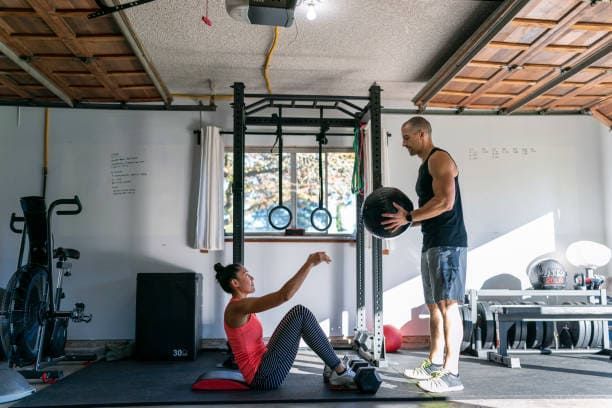
The machines that require the most care during setup are heavy treadmills, ellipticals, all in one home gyms, cable systems, power racks, and selectorized strength machines. These units involve more weight, more moving parts, and tighter tolerances, so small mistakes can create bigger safety and performance problems.
Cardio machines with moving systems
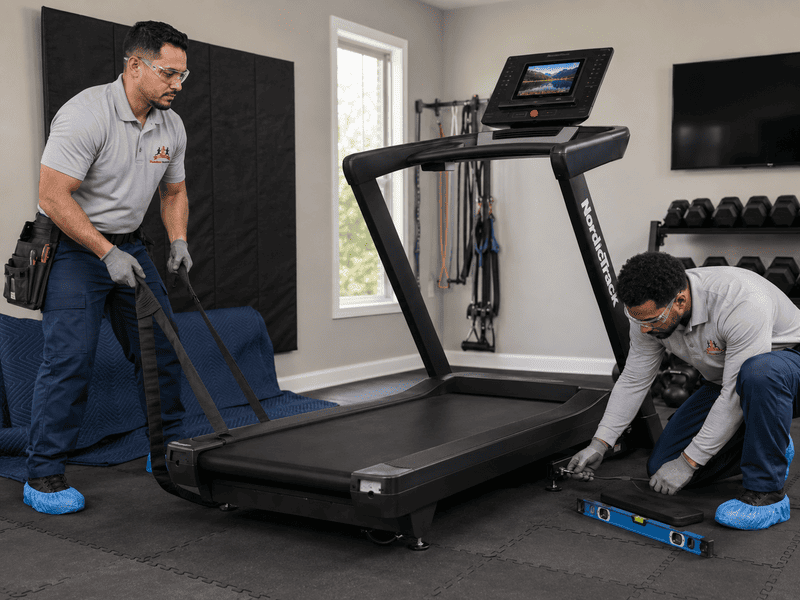
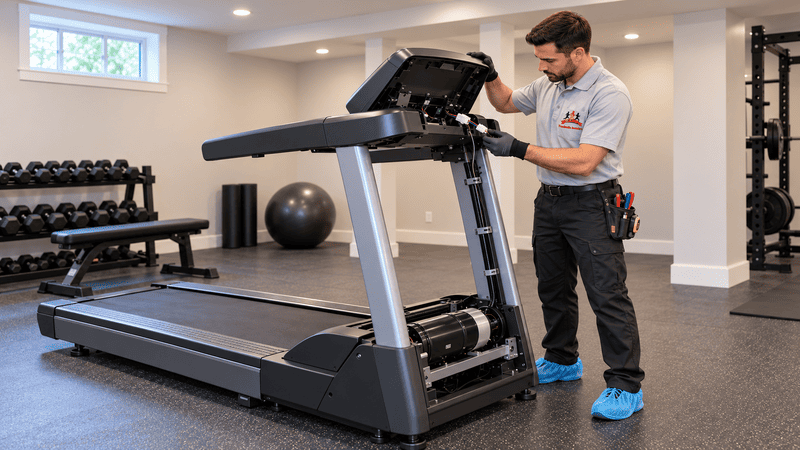
Motorized treadmills need especially careful setup because the frame, deck, electronics, and floor contact all affect user safety and performance. Ellipticals and bikes also need close attention when pedal arms, stabilizers, or consoles are installed.
Strength systems with more complexity
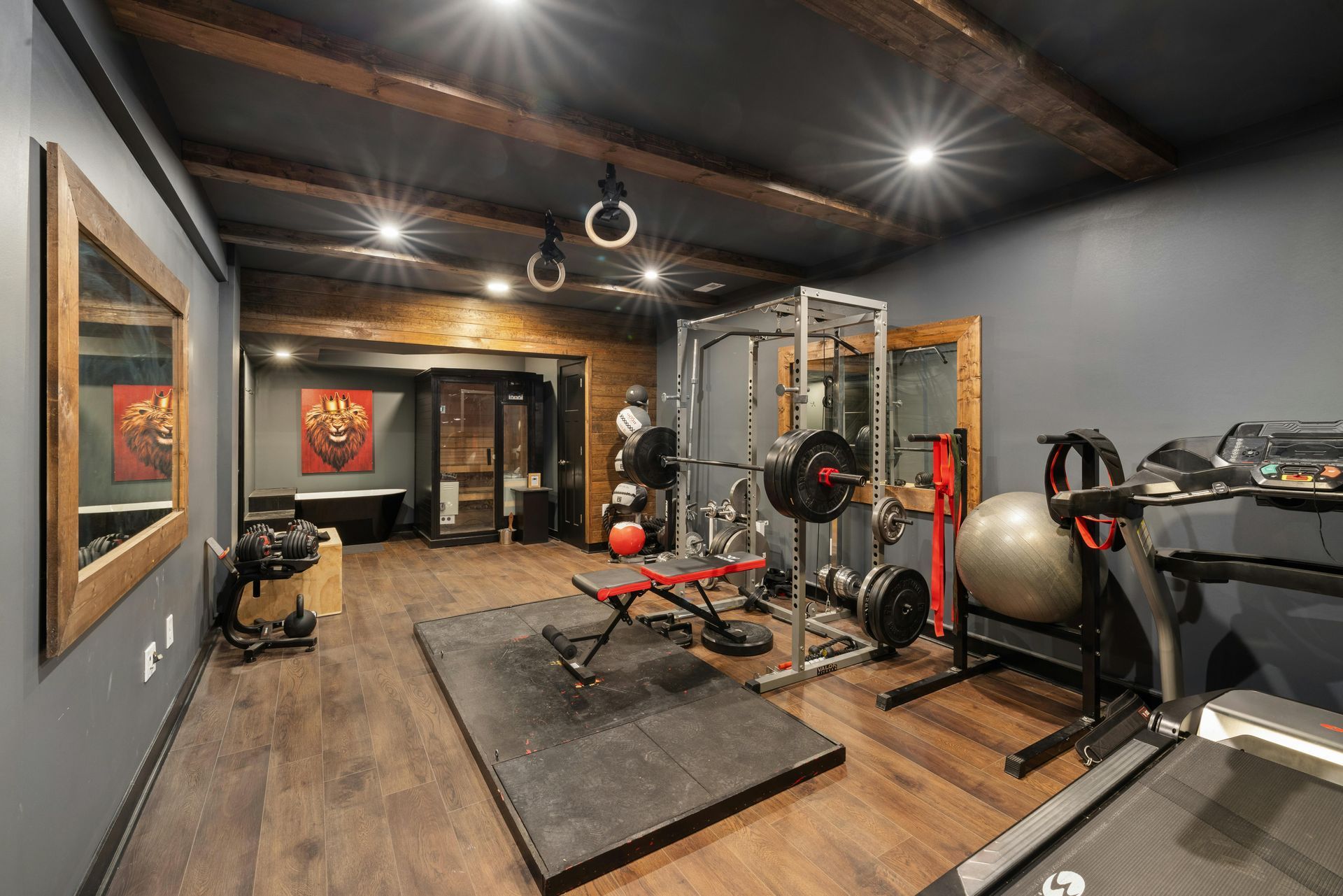
Multi-station units and compact home gym systems often look efficient, but they can be challenging to assemble correctly because they combine frames, pulleys, cables, seats, and resistance components in one footprint. Larger premium rooms built around home gym product layouts also need thoughtful placement so each piece works well within the overall space.
For strength-focused spaces, strength racks and benches require careful squaring, stable footing, and enough clearance for safe loading and lifting. That is also why homeowners working with larger units should understand why professional assembly is important for heavy gym equipment.
- Treadmills need correct leveling, deck support, and safe clearance
- Ellipticals need alignment through the full motion path
- Bikes need stable base contact and proper tightening
- Multi-station machines need accurate cable routing
- Heavy-duty strength setups need stable placement and room planning
Can Poor Installation Cause Long Term Equipment Damage
Poor installation can cause long-term equipment damage because misalignment, uneven pressure, vibration, and skipped adjustments create extra strain on the parts that keep a machine moving. Over time, those issues can shorten equipment life and turn a new purchase into an ongoing repair problem.
Damage often builds slowly
Long-term damage does not always begin with a dramatic failure. In many homes, it starts as a slight shake, a louder-than-normal sound, or resistance that feels off. Eventually, that stress can affect rollers, belts, fasteners, cables, joints, and motors.
A machine that wears unevenly may need repair sooner than expected. That is why service support becomes important when poor setup leads to component issues, and why homeowners often end up needing specialized repair help after preventable wear has already started.
Why early correction matters
Catching problems early protects both the equipment and the workout routine built around it. The sooner a machine is leveled, realigned, or repositioned properly, the better the chance of avoiding expensive parts replacement and repeated downtime.
How Do Placement and Floor Support Affect Stability
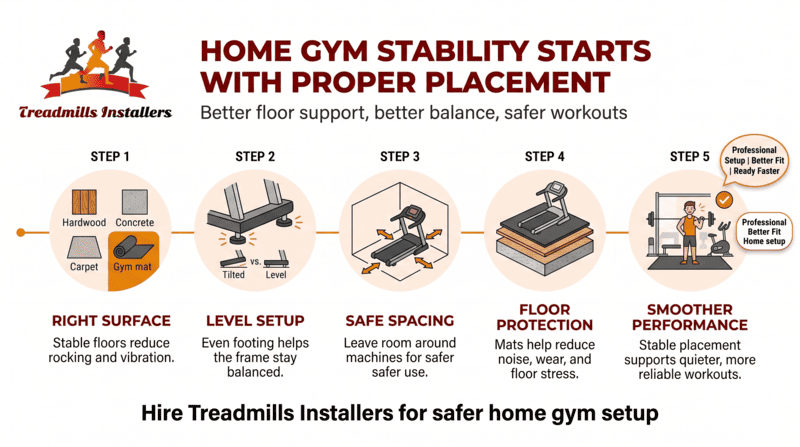
Placement and floor support affect stability because a properly assembled machine can still feel unsafe if the room layout is poor or the floor underneath it does not support weight and impact well. Good installation considers both the machine and the surface it will live on.
The floor matters more than many people expect
Home gym floor support refers to how well the surface handles weight, movement, and repeated force while keeping the machine level. That matters on hardwood, carpet, tile, finished basement floors, and concrete garage slabs. It also affects noise transfer in apartments, townhomes, and shared family spaces.
Planning ahead helps. This practical home gym setup guide is useful when deciding where to place cardio or strength equipment, how much clearance to leave, and what kind of underlayment may be needed.
- Leave open space around moving equipment
- Match mats or underlayment to the floor type
- Check for slope or uneven contact before final tightening
- Plan outlets, airflow, and room access early
- Separate workout zones from household traffic paths
Getting the equipment into place safely
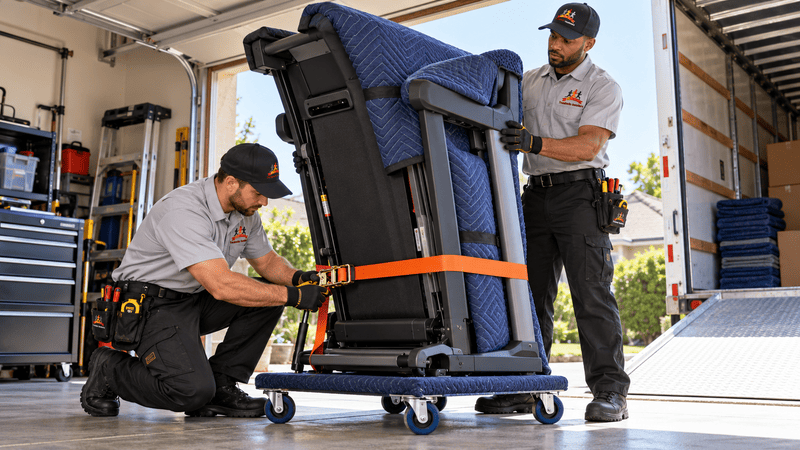
Placement often starts before assembly begins. If a treadmill or home gym needs to go upstairs, into a basement, or through a tight hallway, professional help with moving gym equipment and treadmills safely in Maryland and DC can prevent damage during transport. And if the space needs to be cleared first, a moving and hauling service can make room for a cleaner, safer installation.
What Setup Mistakes Make Home Gyms Less Safe to Use
The setup mistakes that make home gyms less safe usually involve poor spacing, rushed tightening, skipped leveling, bad cable routing, and ignoring how people actually move through the room. These errors make everyday workouts more awkward and increase the chance of instability or accidental contact.
Mistakes that reduce safety fast
A machine may technically fit in a room but still be placed badly. Treadmills pushed too close to the wall, benches squeezed beside storage, and cable units with no safe movement area all make workouts feel cramped and less controlled. This is one reason complete home gym equipment installation and setup support is valuable for homeowners building multi-piece spaces.
Shared spaces need better planning
Home gyms are often built into mixed-use areas. A spare bedroom may also store furniture. A basement gym may share space with laundry. A home office may include a walking pad or bike. Similar layout concerns also appear in fitness at the workplace, where safe shared-use design affects convenience, productivity, and traffic flow.
A few mistakes show up again and again:
- Not leaving enough rear clearance behind treadmills
- Setting heavy machines on soft or uneven flooring
- Skipping post-move checks after relocation
- Using a room layout that blocks safe entry or exit
- Assuming one flooring solution works for every machine
Why Professional Assembly Helps Equipment Last Longer
Professional assembly helps equipment last longer because the machine begins its life in the right position, with the right alignment, and with fewer avoidable stresses. A well installed system experiences less vibration, less friction, and fewer preventable problems that shorten useful life.
Durability starts on day one
Long-term durability is rarely about one dramatic event. More often, it comes from consistent daily use without excess frame twist, hardware loosening, or motion imbalance. Professional setup helps reduce those risks at the beginning, which gives the equipment a better chance to hold up over time.
Better value from the investment
For homeowners, renters, garage gym users, and families, that means better value from every machine in the room. It also means fewer interruptions to training routines and less frustration trying to fix problems that started with incorrect installation rather than with the equipment itself.
Set Up Your Home Gym for Safer Daily Performance
Your home gym should feel safe, solid, and ready to use every day. Treadmills Installers helps homeowners and renters set up cardio and strength equipment correctly in houses, apartments, garages, basements, spare rooms, and home offices, so machines perform better, floors stay better protected, and daily workouts feel more reliable.
If you want cleaner setup, safer clearance, improved stability, and better long-term performance, hire Treadmills Installers for professional home gym equipment installation across Maryland, Washington DC, Delaware, Pennsylvania, and Northern Virginia, including Baltimore, Rockville, Bethesda, Arlington, Alexandria, Wilmington, and Harrisburg. To get started, contact the team through the home gym installation contact page. If your project is treadmill-specific, use the treadmill setup request form.
Many customers also update the surrounding space at the same time. If you need storage, seating, or room setup support, home furniture assembly services can help complete the space. If your workout area shares a room with remote work, these office furniture installation strategies for flexible workspaces may help improve layout and function. And if your family is building a more active home overall, these basketball hoop ideas for small driveways and limited space are a smart addition.
Frequently Asked Questions About Home Gym Equipment Installation For Safety
Can a treadmill be assembled on any floor type?
A treadmill can be assembled on many floor types, but the floor may still need protection, leveling, or underlayment. Hardwood, carpet, tile, and concrete each affect stability and noise differently.
How much space is needed around home gym equipment?
Most machines need more space than their listed footprint. Cardio equipment needs safe entry and exit clearance, while strength equipment needs room for movement, loading, and spotting.
Do ellipticals and bikes need professional setup?
Yes, professional setup is often worth it because alignment, base stability, and hardware tension directly affect how smooth and quiet these machines feel. A correct setup also helps prevent wobble and uneven wear.
How can I tell if my gym equipment is unstable after assembly?
Unstable equipment often rocks, shifts, squeaks, or feels uneven during regular use. If the frame moves when it should stay still, the machine needs to be checked before continued use.
Can incorrect setup cause wear even if the machine still works?
Yes, a machine can still power on and operate while wearing out faster than it should. Poor leveling, misalignment, and skipped calibration can quietly stress key parts over time.
Which home gym machines are hardest to install?
Heavy treadmills, ellipticals, cable systems, multi-station home gyms, and power racks are usually the most difficult. They involve more parts, more weight, and less room for setup mistakes.
How do I protect floors under heavy gym equipment?
Use the right mat or underlayment for both the machine and the floor type, and make sure the equipment is level before full use. Floor protection works best when combined with stable placement and proper spacing.
When is professional installation better than DIY?
Professional installation is the better choice when the machine is heavy, motorized, complex, or going into a room with limited space or delicate flooring. It is also smart when you want dependable daily performance without troubleshooting setup problems later.
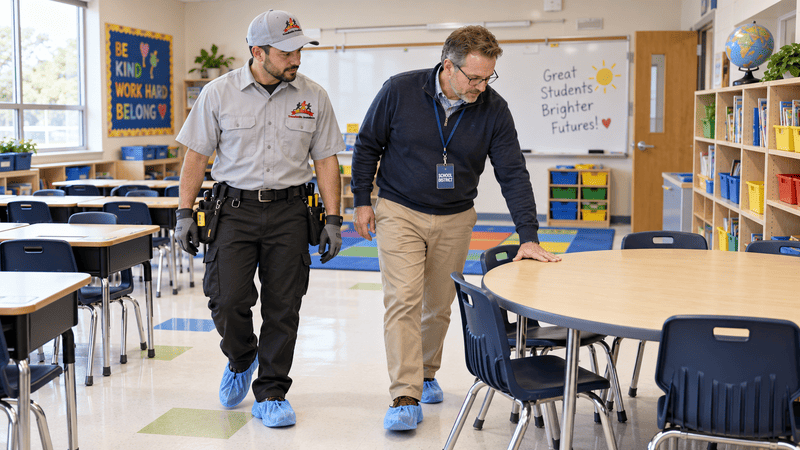
Why Schools Trust Professional Classroom Furniture Installation Services to Put Student Safety First