Why Your Fitness Equipment Is Not Working After Setup and How to Fix It
Fitness Equipment Not Working After Assembly? Fix the Setup Before It Gets Worse
A treadmill that will not power on, an elliptical that feels uneven, or a bike that shows console errors usually has one thing in common: something went wrong during setup. Many post-assembly issues start with small mistakes, such as loose wiring, skipped calibration, uneven placement, or bolts tightened in the wrong order. At first, the machine may look fully assembled even though it is not ready to use.
Then the problem grows. Unstable equipment can create safety hazards. Misaligned parts can wear out belts, rollers, and joints. Wiring mistakes can damage the console or motor system. In some cases, improper assembly can even lead to denied warranty claims and costly repairs.
That is why proper installation matters. Treadmills Installers helps residential and commercial customers with correct assembly, calibration, and troubleshooting across Maryland, Washington DC, Delaware, Pennsylvania, and Northern Virginia. If your fitness equipment is not working after assembly, professional service can solve the real issue before it turns into a bigger one.
Common Reasons Fitness Equipment Fails Right After Assembly
Most fitness equipment fails right after assembly because one or more setup steps were missed, rushed, or completed out of order. In many cases, the machine is not defective. Instead, a wiring connection, alignment point, calibration step, or safety feature is preventing normal operation.
Fitness equipment not working after assembly means the machine has been physically built, but it still cannot run safely or correctly because a required connection, adjustment, or verification step was missed during installation.
A strong home gym setup guide can help with planning. However, motorized and multi-part machines still need precise installation and testing before they are truly ready.
- Power loss: Loose harnesses, disconnected adapters, or incomplete console wiring can keep the machine from turning on.
- Frame instability: Untightened hardware, uneven feet, or a twisted base can create wobble, noise, and poor performance.
- Console faults: Skipped startup steps can trigger software errors, sensor issues, or missing workout functions.
- Early damage: Misalignment can wear down belts, pedals, rollers, and moving parts much faster than expected.
Incorrect Wiring and Power Connection Issues in Cardio Machines
Incorrect wiring and power setup cause many cardio machines to fail immediately after installation. If a cable is pinched, only partly connected, or routed through the wrong path, the machine may appear dead, flash an error, or shut off during startup.
This is a major reason a treadmill not working after setup often needs professional correction. Console wires inside the uprights can shift during assembly, while lower motor cables, power switches, and safety keys may not fully connect.
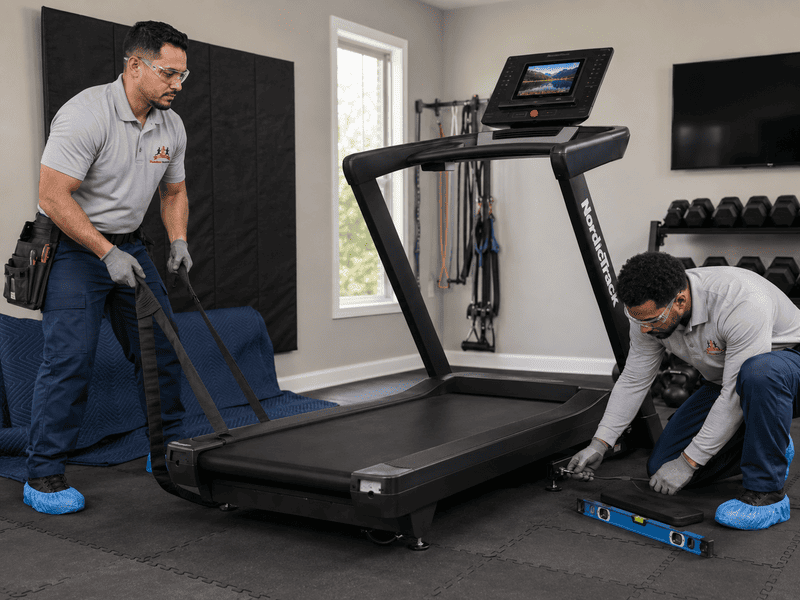
Some NordicTrack treadmills are especially sensitive to incomplete console and power connections. A treadmill can look finished from the outside while still failing to boot or respond correctly. Before assuming a bad console or failed motor, the full wiring path should be checked.
Loose Bolts and Misaligned Frames Affecting Equipment Performance
Loose bolts and misaligned frames can make a brand-new machine feel broken. Even when the console powers on, poor frame alignment can cause wobbling, scraping, belt drift, rough motion, and extra stress on moving parts.
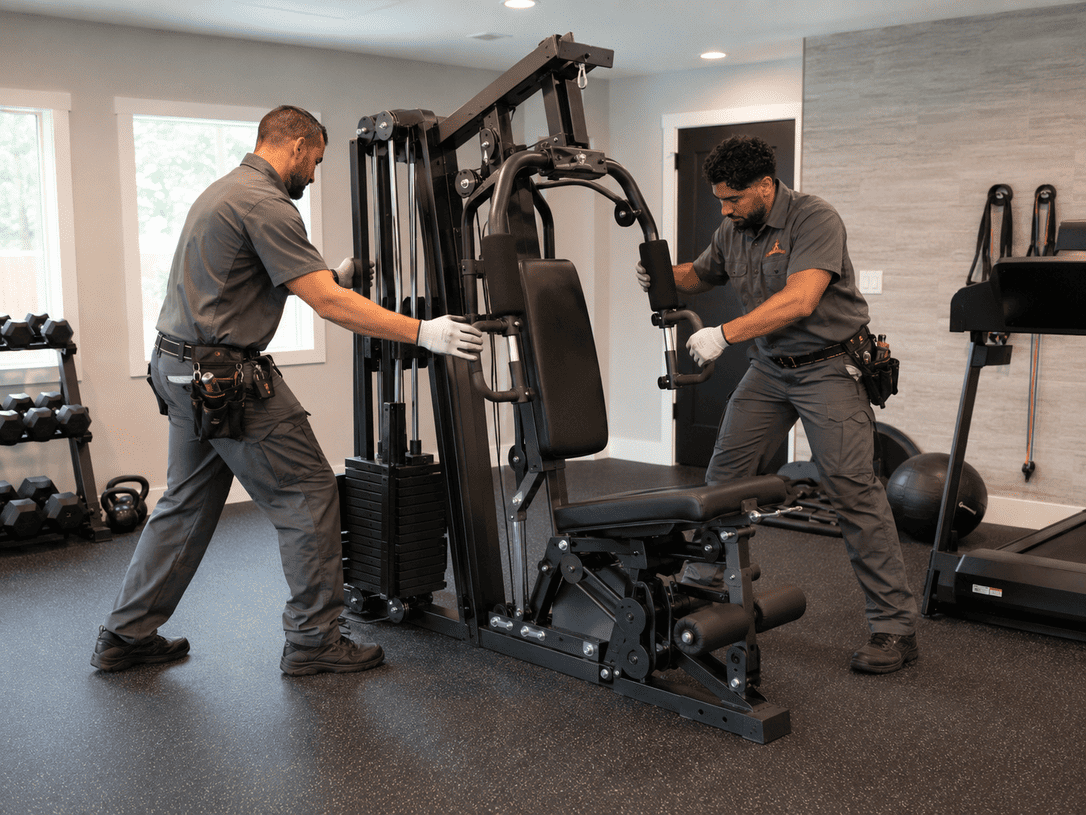
This problem is common on strength equipment, home gyms, and adjustable benches. If a weight bench rocks during use, the issue is often uneven frame tension rather than a defective product. Tightening one side too early can pull the structure out of square.
Installers who work with weight equipment usually follow a staged tightening process for that reason. Hardware should be seated first, aligned second, and tightened fully only after the frame is sitting correctly.
If you are building a compact training space, a safe multi-functional weight bench safe home gym setup matters because one crooked support point can affect stability, comfort, and lifting safety.
Calibration Errors in Treadmills, Bikes, and Ellipticals
Calibration tells the machine how to interpret movement, resistance, speed, incline, and sensor input. If calibration is skipped or done incorrectly, the machine may move unevenly, resist at the wrong level, or display readings that do not match actual performance.
A new bike that feels too hard, too easy, or unresponsive may not need repair at all. Professional exercise bike assembly usually includes resistance testing, sensor checks, and a final performance review before the machine is approved for use.
This is especially important on connected cardio products from brands such as Life Fitness, where resistance and console feedback depend on correct startup setup.
The same applies to cross-trainers. If your machine feels rough or uneven after elliptical assembly, the problem may involve stride alignment, pedal synchronization, or an incomplete calibration sequence rather than a damaged part.
Software and Console Setup Problems After Installation
Software and console setup problems often look like mechanical failures. A machine can be assembled correctly and still fail to run normal workouts if the console was not configured, updated, or initialized the right way during installation.
Some smart cardio units require onboarding before basic functions work properly. Certain ProForm machines may show startup issues, frozen screens, or workout errors when setup screens are skipped or interrupted.
The same goes for premium touch display equipment. Some Precor at Home models need complete console configuration before user profiles, workout programs, and connected features work consistently. If the software side is unfinished, the machine may seem faulty even when the frame and motor are fine.
Weight Distribution and Floor Leveling Issues That Cause Malfunctions
Weight distribution and floor leveling directly affect how a machine performs under load. If one foot sits higher than another or the flooring flexes under pressure, the frame can twist every time the user steps, pedals, or climbs.
This issue is common with taller or heavier equipment. Proper stairclimber assembly includes leveling, foot adjustment, and floor contact checks because even a small tilt can create wobble, noise, and uneven wear.
Layout matters too. Practical ADA accessibility considerations for fitness and health clubs include clear floor space, accessible routes, and enough room for safe movement around each machine. In other words, proper assembly also includes proper placement.
Nearby furniture can also create crowding and blocked access. That is one reason overall room planning, much like home furniture assembly, affects whether a fitness space works safely in real life.
Parts Installed in the Wrong Sequence During Assembly
Parts installed in the wrong sequence can create hidden setup failures that show up only after the machine is turned on or used under weight. One misplaced bracket, reversed spacer, or skipped support piece can affect wiring, alignment, and load distribution.
This happens often after equipment has been moved, partially disassembled, or rebuilt without following the manufacturer order. That is why specialized disassembly and relocation should always include careful reassembly and testing.
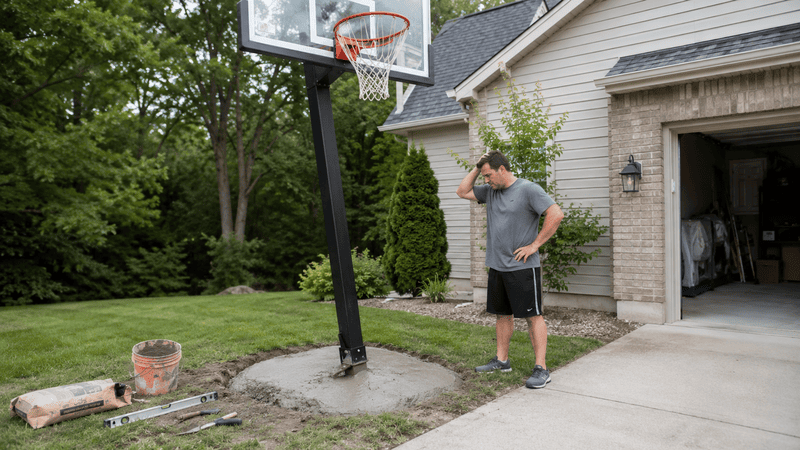
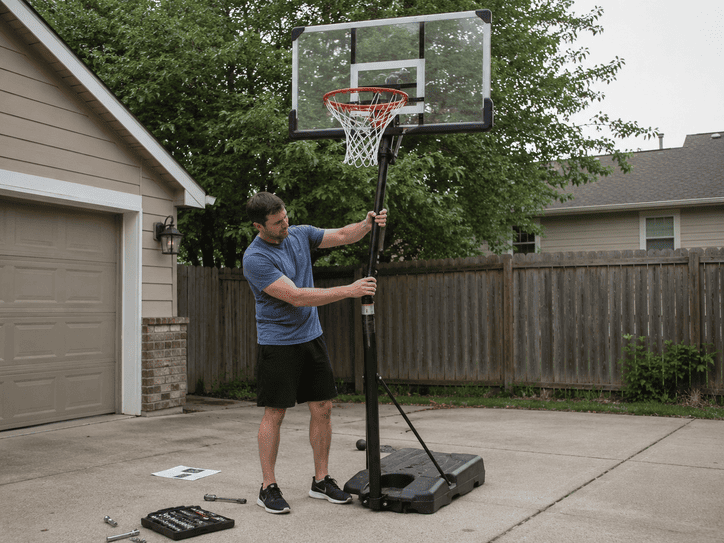
The same principle applies to other heavy, anchored equipment. Projects involving alignment and structural security, such as basketball hoop installation near me, show why build order affects long-term stability and safe use.
Safety Locks and Sensors Preventing Equipment from Operating
Safety locks and sensors are designed to stop a machine from running when something is missing, out of position, or not fully secured. As a result, a unit may stay off or pause repeatedly even though the rest of the setup looks complete.
This is common on folding treadmills, compact home gyms, and resistance systems. Some Bowflex machines depend on correct cable routing, pin placement, and lock engagement, so one missed detail can stop normal use.
The same applies to advanced strength systems. On certain guided products from Technogym, misaligned guards, covers, or cable paths can interfere with sensor feedback and safe movement.
When to Troubleshoot Yourself and When to Call a Professional Installer
You can handle a few simple checks yourself when the issue is visible and low risk. However, you should call a professional installer when the problem involves heavy lifting, internal wiring, frame instability, repeated error codes, or any condition that affects safe use.
If the machine was recently moved, start with a short inspection instead of repeated trial and error. Problems after relocation are common, which is why guidance on how to move gym equipment and treadmills safely in Maryland and DC is so relevant.
- Check outlet power: Confirm the outlet works and the machine is connected to the correct adapter or power cord.
- Inspect visible cables: Look for loose plugs, pinched console wires, or connectors that were not fully seated.
- Confirm safety components: Make sure the safety key, lock pin, seat pin, or guard is in the correct position.
- Stop if the frame wobbles: Instability usually points to alignment or leveling problems that need professional correction.
If the unit needs lifting, hauling, or partial disassembly before it can be fixed, it is safer to use professional help similar to a moving and hauling service rather than forcing the machine into place.
How Professional Assembly Prevents These Issues from Happening Again
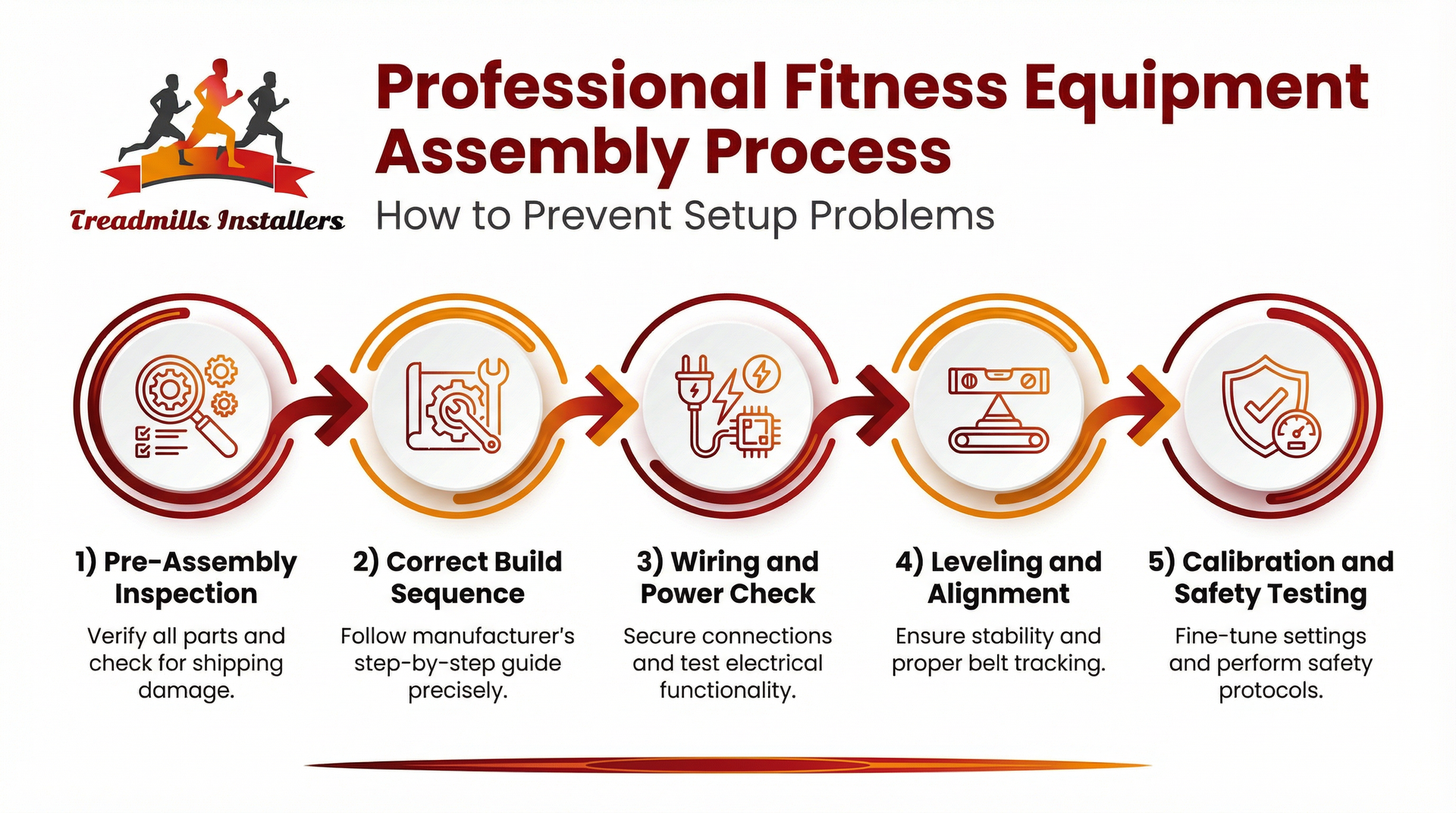
Professional assembly prevents repeat problems because trained installers do more than put parts together. They verify assembly order, cable routing, bolt tension, leveling, calibration, safety systems, and final performance before the equipment is used.
This matters even more for gyms, offices, apartment communities, and training studios. Professional commercial exercise equipment assembly reduces setup errors, downtime, and liability from the start.
Businesses also need to think about room design and user flow. That is one reason many employers exploring wellness rooms ask whether fitness at the workplace is having an office gym a good idea. In office settings, nearby fixtures and circulation paths matter too, so details often associated with office furniture assembly can affect safe equipment placement.
Proper installation also supports practical compliance. Safe workplace use aligns with expectations from OSHA. Accessible layouts and clear floor space reflect ADA guidance. Dependable clearances and safer setup are consistent with ASTM F3101 safety standards. In addition, the testing and safety principles behind stationary equipment are reflected in ISO 20957 standards. In practical terms, correct assembly helps equipment stay safer, easier to use, and more reliable over time.
- Pre-assembly inspection: The installer checks cartons, hardware, and parts before the build begins.
- Correct build sequence: The frame is assembled in manufacturer order so supports, wires, and moving parts seat properly.
- Leveling and alignment: The unit is squared, stabilized, and adjusted for the actual floor surface.
- Calibration and testing: Speed, resistance, incline, sensors, and console functions are verified before use.
- Final safety review: The machine is checked under normal operating conditions so problems are caught early.
Need Professional Help With Fitness Equipment That Is Not Working After Setup?
If your treadmill, bike, elliptical, stair climber, or home gym still is not working after assembly, Treadmills Installers can identify the setup issue and correct it safely. The company serves homeowners and businesses throughout Maryland, Washington DC, Delaware, Pennsylvania, and Northern Virginia, including Baltimore, Rockville, Bethesda, Arlington, Alexandria, Wilmington, and Harrisburg.
Request a quote or schedule professional assembly through the contact page.
Frequently Asked Questions About Treadmill and Gym Equipment Setup Problems
Why is my treadmill not working after setup if the console lights up?
The console can power on even when the lower wiring, safety key, or motor communication is not fully connected. A professional check can confirm whether the issue is electrical, mechanical, or calibration-related.
Why does my elliptical wobble after assembly?
Wobble usually comes from uneven floor contact, poor alignment, or bolts tightened in the wrong sequence. Tightening hardware again does not always fix the real cause.
Why is my exercise bike not turning on after assembly?
The most common causes are power adapter issues, loose console wiring, or incomplete setup steps. If the bike still does not respond after basic checks, internal connections should be inspected.
Can incorrect assembly damage brand-new fitness equipment?
Yes. Misalignment, pinched wires, and skipped calibration can create early wear on motors, belts, rollers, pedals, and joints. Small setup mistakes can become major repair issues if the machine keeps being used.
Will poor assembly affect my warranty?
It can. If the failure is linked to improper installation, missing hardware, or misuse after setup, the warranty claim may be limited or denied.
When should I hire professionals for gym equipment assembly?
You should hire professionals when the machine is heavy, motorized, unstable, recently moved, or showing repeated errors after setup. Professional installation is also the safer option for commercial and multi-user spaces.