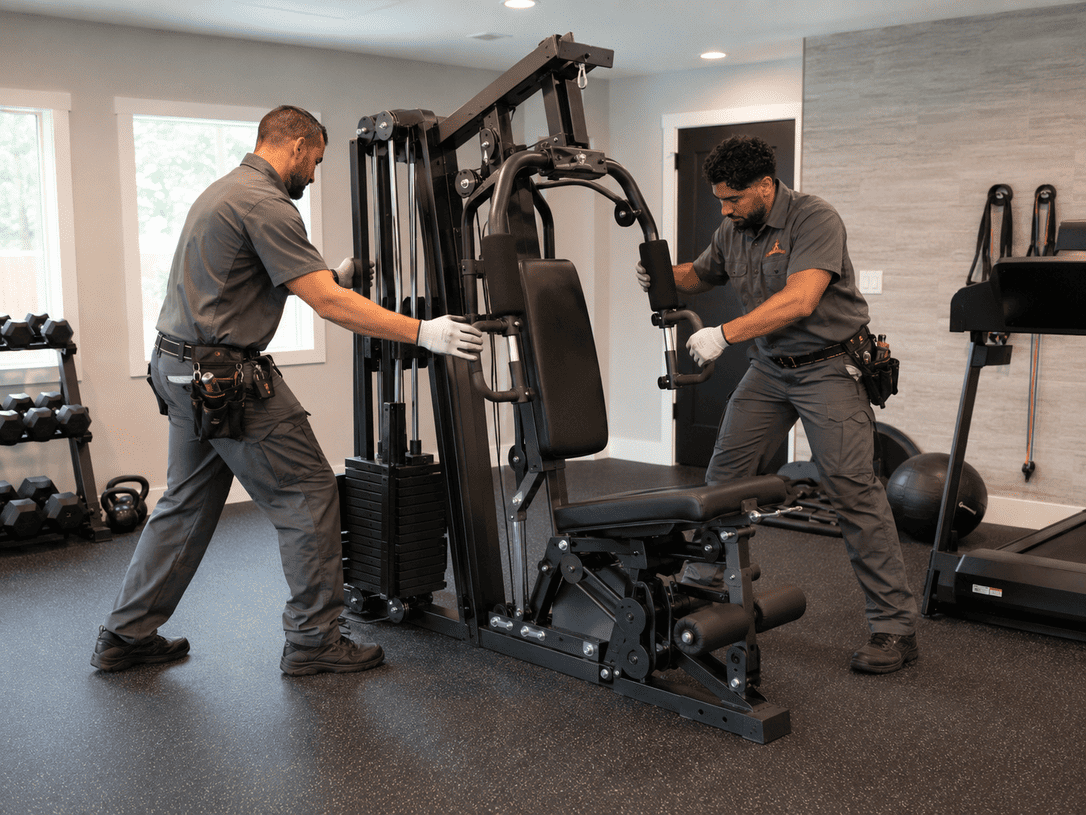
Why Professional Assembly Is Important for Heavy Gym Equipment
Heavy gym equipment should be professionally assembled because mistakes with alignment, leveling, hardware, or placement can create safety risks, poor performance, and early wear. What looks like a simple setup job can quickly turn into a costly problem when a treadmill shakes, a cable machine binds, or a strength unit sits unevenly on the floor.
That risk grows fast once weight, moving parts, tight room dimensions, and manufacturer requirements enter the picture. A professional gym equipment installer helps prevent those issues from day one by handling the setup correctly, planning the space properly, and making sure the equipment is ready for real use in a home, apartment, office, or commercial fitness room.
Why Professional Assembly Matters for Heavy Gym Equipment
Professional assembly matters because heavy fitness equipment must be safe, level, stable, and correctly adjusted before anyone uses it. A proper setup reduces injury risk, protects the machine, and helps it perform the way the manufacturer intended in both home and shared fitness spaces.
Heavy machines are not just bulky. They also include moving belts, tension systems, pulleys, electronics, and load-bearing frames that depend on correct alignment. A treadmill that is slightly off can feel noisy, unstable, or rough underfoot. A functional trainer with poorly routed cables can wear faster and respond unevenly.
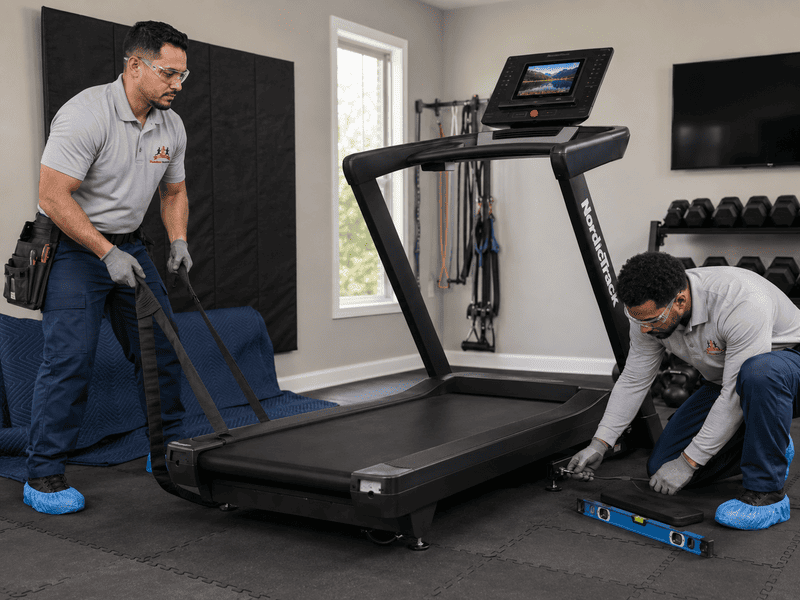
This is where professional installation earns its keep. Our team can assemble components in the right order, torque hardware correctly, and confirm the machine is positioned for safe entry, exit, and daily use. For residential setups, proper planning is especially important in dedicated workout rooms and multi-use spaces, which is why many homeowners start with a full home gym setup service instead of treating assembly like a quick weekend project.
Gym equipment assembly is the process of building, positioning, leveling, adjusting, and checking a fitness machine so it is safe and fully functional. It is not just putting parts together and hoping for the best.
Common Risks of DIY Gym Equipment Assembly
DIY gym equipment assembly often goes wrong because heavy machines require precise hardware placement, correct sequencing, and careful handling during setup. The biggest risks include injury during lifting, hidden assembly errors, damaged parts, and unstable equipment that may not show problems until after use.
Even experienced homeowners can underestimate how awkward and heavy these units are. Frames can shift while being lifted. Decks and uprights can pinch hands. Smaller mistakes, like reversed brackets or uneven feet, may seem minor at first but create bigger problems once the machine is under load.
For that reason, safe handling should come first. Guidance from OSHA safety resources reinforces the importance of lifting awareness, proper handling, and risk reduction around heavy equipment and materials.
Common DIY problems include:
- Missing or misreading critical assembly steps
- Tightening bolts too early and forcing misalignment
- Using the wrong anchors, pads, or support points
- Dragging equipment across finished floors
- Setting up a machine in a space with poor clearance
- Damaging wiring, covers, or moving components during assembly
DIY usually looks cheaper until something needs to be reassembled, repaired, or moved again. Then the bargain starts acting like a prank from the universe.
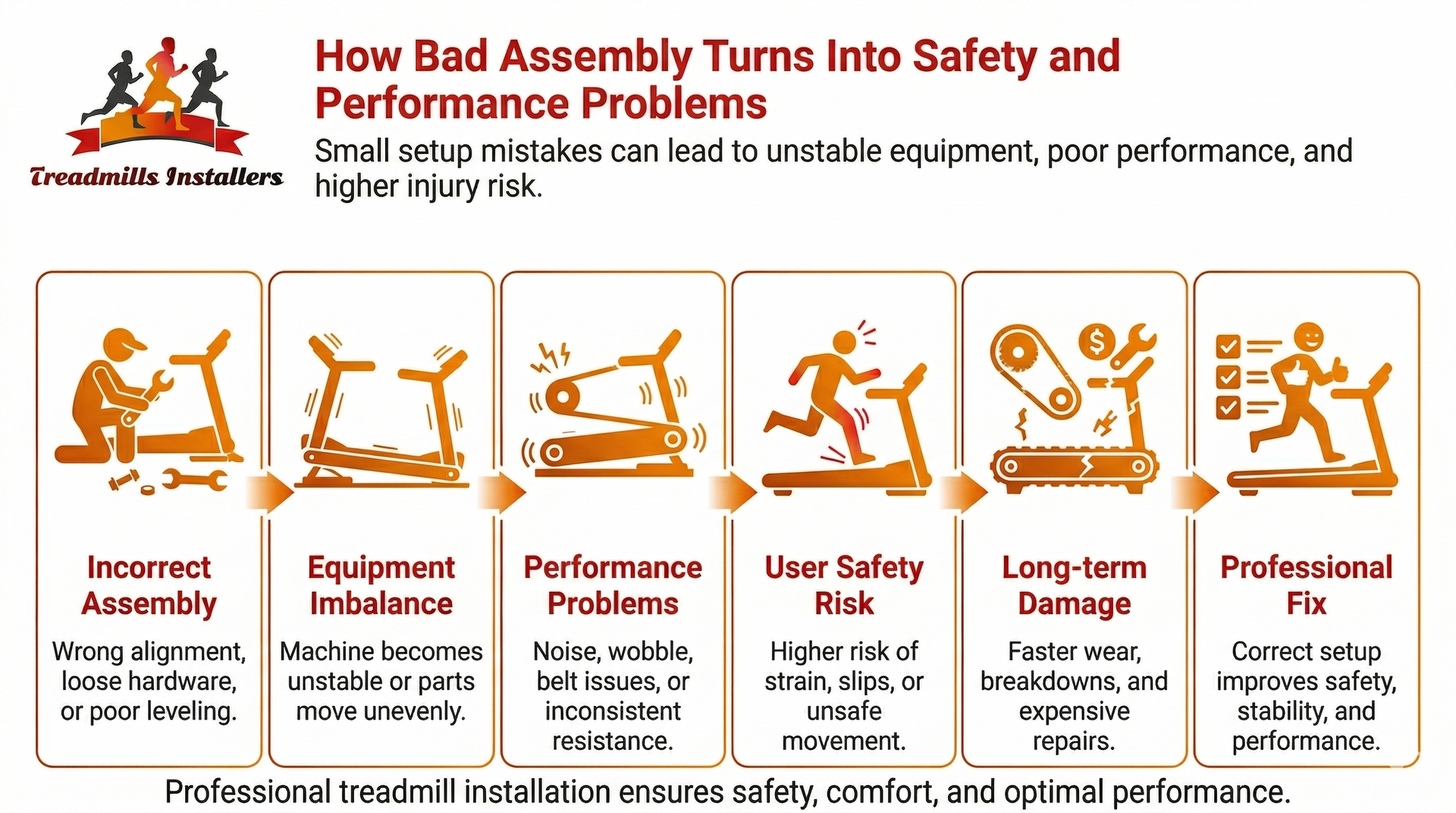
How Improper Assembly Affects Safety and Performance
Improper assembly affects safety and performance by making fitness equipment less stable, less accurate, and more likely to wear out early. Users may notice shaking, noise, resistance issues, tracking problems, or parts that do not move smoothly under normal use.
A treadmill with poor leveling can bounce or shift. A strength machine with incorrect cable routing can feel uneven or stick at key points in the range of motion. That is not just annoying. It can change how a person trains and increase the chance of strains or sudden equipment failure.
Performance problems are also easy to misread. People often assume the machine is defective when the real issue is installation quality. If a unit already feels off, it helps to review common fitness equipment problems after assembly before using it further.
This matters even more with multi-piece systems from brands offering modular home setups, such as Bowflex home fitness equipment, where small installation errors can affect how the full system operates. Larger multi-station or premium strength units, including commercial-grade strength machines, require even tighter attention to alignment and component fit.
When Heavy Equipment Needs a Professional Installer
Heavy equipment needs a professional installer when the machine is large, multi-part, upstairs, going into a shared-use space, or too heavy to move safely without help. Professional assembly is also the smart move when a machine has electronics, complex adjustment points, or commercial-grade construction.
This is especially true for:
- Treadmills with heavy decks and console wiring
- Functional trainers and cable systems
- Smith machines and power racks with attachments
- Home gyms with multiple stations
- Office wellness rooms and apartment fitness areas
- Business facilities that expect frequent daily use
Shared environments need more than assembly. They need usable clearance, safe approach paths, and good layout decisions. In employee wellness spaces, office gym planning ideas can help shape how equipment fits the space and how people actually use it.
For larger facilities with multiple users, a specialized commercial exercise equipment assembly team helps reduce setup errors and keep the room functional from day one.
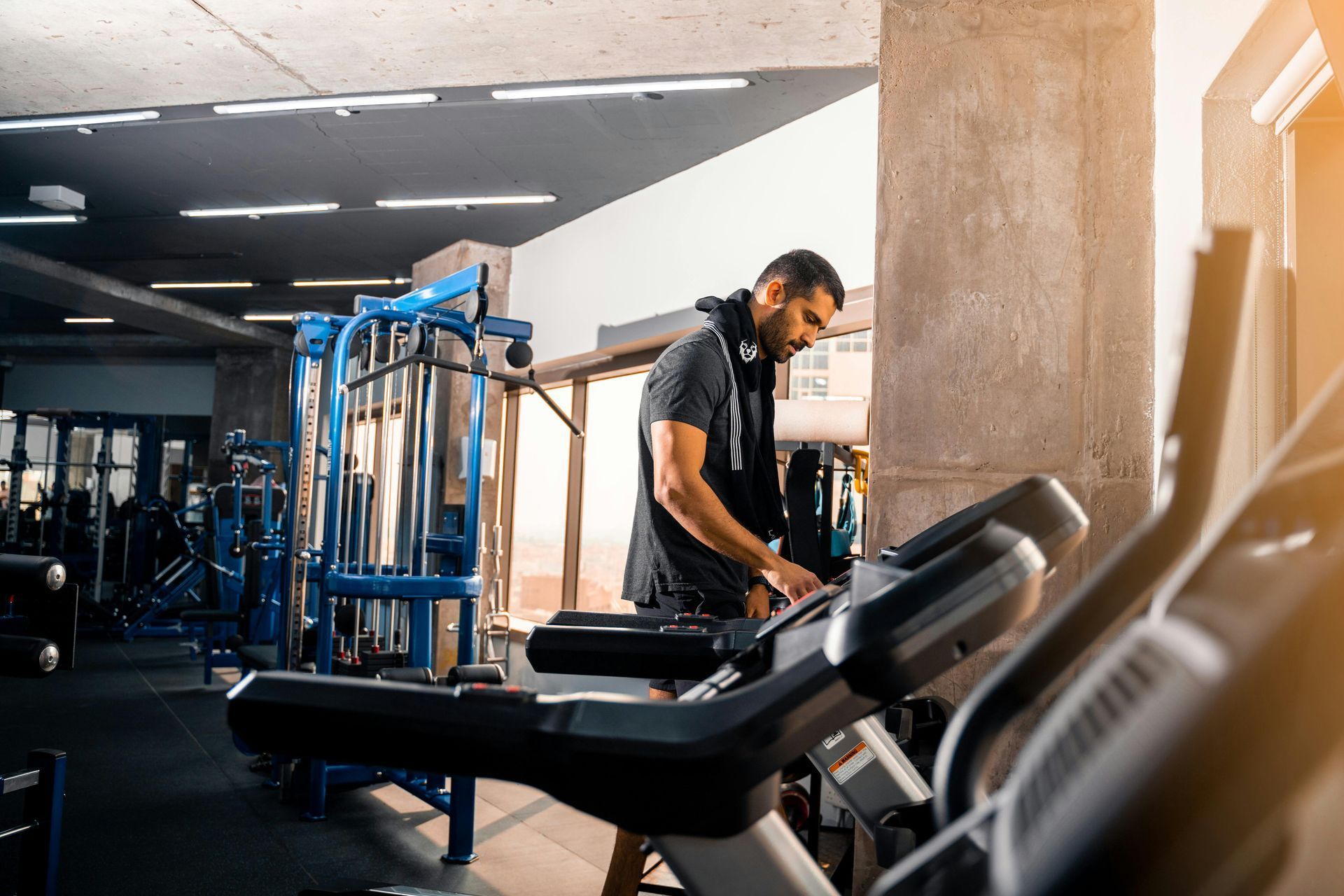
Room Planning Before Treadmill or Home Gym Setup
Room planning before setup matters because even correctly assembled equipment can become unsafe or frustrating when the space is too tight, poorly ventilated, or awkward to access. Clearance, flooring, power access, and user movement should all be considered before the machine is built in place.
A treadmill may fit on paper but still be a problem if users cannot step on and off comfortably or if doors, walls, and furniture limit movement. Strength equipment has similar issues, especially when handles, benches, or cable arms need working room around the frame.
Before installation, it also helps to think about delivery path and equipment positioning. Tight stairs, corners, and entryways can complicate the job, which is why planning for safe gym equipment moving often comes before final assembly.
For shared or commercial environments, access matters too. Good layout planning should support user circulation and reasonable clearances, and ADA fitness space guidance is useful when organizing more public-facing workout areas.
How Correct Assembly Helps Equipment Last Longer
Correct assembly helps equipment last longer because every properly installed part reduces unnecessary strain on the frame, motor, rollers, cables, and fasteners. Good setup supports smoother operation, more even wear, and fewer repair issues over time.
Machines wear out faster when components fight each other. That can happen when frames are twisted, feet are uneven, belts are poorly aligned, or moving parts are loaded at the wrong angle. Even small setup flaws can compound after repeated use.
A professional installation also helps owners avoid the bad habit of “fixing” a machine by overtightening, shifting, or shimming random parts later. With bigger systems, including broader fitness equipment installation support, proper setup creates a cleaner foundation for future maintenance and day-to-day use.
Long-term reliability usually comes down to boring details done right. That is old-school wisdom for a reason. Bolts, balance, and alignment still beat guesswork.
Stability, Weight Distribution, and Floor Protection
Stability, weight distribution, and floor protection matter because heavy equipment can stress flooring, shift under use, and create noise or damage if the machine is not placed correctly. A professional setup helps spread weight properly, reduce vibration, and protect both the machine and the surface below it.
This is critical in homes, upstairs rooms, apartment units, and offices where flooring may include hardwood, laminate, tile, or finished concrete. A machine that rocks slightly can wear its own feet, mark the floor, and feel less secure during workouts.
Professional installers look at more than the machine itself. They consider surface type, slope, subfloor support, and whether mats or protective layers are needed. This becomes even more important in apartment fitness rooms and business settings where repeated use from multiple people creates more vibration and more wear.
Good stability is not about making the machine merely stand. It is about making it behave properly under real load.
Mistakes That Can Void Equipment Warranties
Equipment warranties can be affected when machines are assembled incorrectly, placed on unsuitable surfaces, or used before required checks are completed. Manufacturers may also push back on claims when damage is linked to improper installation, missing hardware, or unapproved modifications.
Many owners assume warranties cover anything that goes wrong. That is not always true. If a machine is built out of sequence, adjusted incorrectly, or forced into a bad setup environment, the manufacturer may treat the problem as installation-related rather than product-related.
Common warranty mistakes include:
- Skipping required setup steps in the manual
- Using substitute hardware or missing spacers
- Assembling the machine on an uneven or unsupported surface
- Damaging wiring or covers during installation
- Moving the equipment incorrectly after assembly
- Ignoring required clearances or usage instructions
That is one more reason professional treadmill assembly is worth it. It protects not only the machine, but also the paperwork behind it.
Get Heavy Gym Equipment Assembled the Right Way
Hiring Treadmills Installers is the easiest way to get heavy gym equipment assembled safely, correctly, and ready for daily use. Professional setup saves time, reduces risk, protects flooring, and helps your treadmill, strength machine, or home gym system perform the way it should.
Whether you are setting up a home gym in Maryland, a condo fitness room in Washington DC, a training space in Delaware, a private studio in Pennsylvania, or a shared facility in Northern Virginia, proper installation makes a real difference.
If you need treadmill-specific help, start with the service request form. If you are ready to schedule professional assembly, reach out through the contact page. Many customers also need related help beyond gym equipment, such as moving and hauling services, disassembly and relocation support, home furniture assembly, or office furniture setup when completing a larger room or facility project.
Key Takeaways
- Professional assembly improves safety, stability, and equipment performance
- DIY mistakes can lead to noise, wobble, poor function, and early wear
- Room planning matters for clearance, access, floor protection, and daily use
- Incorrect setup can shorten equipment life and create warranty problems
- Our team is the right choice for home gyms, apartment fitness rooms, and commercial spaces across Maryland, Washington DC, Delaware, Pennsylvania, and Northern Virginia
Frequently Asked Questions About Heavy Gym Equipment Assembly
How long does treadmill assembly usually take?
Most treadmill assembly jobs take a few hours, depending on the model, room access, and whether the machine needs to be carried upstairs. Larger or more advanced units can take longer when leveling, testing, and positioning are included.
Can heavy gym equipment be assembled upstairs?
Yes, many machines can be assembled upstairs, but stair access, floor structure, and safe carrying paths need to be considered first. Heavy decks, frames, and multi-part systems often require extra handling care before setup begins.
Do professional installers bring their own tools?
Yes, professional installers normally bring the tools needed for assembly, adjustment, and basic setup checks. That helps avoid delays and reduces the chance of using the wrong tools on specialized hardware.
Can assembly mistakes affect a manufacturer warranty?
Yes, they can. If damage or malfunction is linked to improper setup, missing hardware, incorrect placement, or unauthorized changes, warranty support may be limited.
How much space should be left around a treadmill?
A treadmill needs enough clearance for safe mounting, dismounting, and normal walking or running movement. The exact amount depends on the model, but tight placement against walls or furniture is usually a bad idea.
Is floor protection really necessary for home gym equipment?
Yes, floor protection is often a smart idea, especially on finished floors, upper levels, and in apartments. It helps reduce vibration, noise, pressure marks, and long-term surface wear.
Do home gyms and commercial gyms need different setup approaches?
Yes, because commercial and shared-use spaces usually require more durable placement, better traffic flow, and more careful room planning. Home setups focus more on residential floors, tighter layouts, and multi-use room function.
What should I do if equipment feels unstable after assembly?
Stop using it until the cause is checked. Instability can come from leveling issues, loose hardware, improper placement, or an assembly error that should be corrected before anyone trains on the machine again.